Presenting the poster for ITVX’s forthcoming British Muslim comedy, Count Abdulla. The series, which will be releasing on 15th June 2023, followsAbdulla Khan – a mid-twenties British-Pakistani Muslim doctor stuck in an identity crisis, caught between his religious mother and his secular, hedonistic friends. But when Abdulla is bitten by a vampire he suddenly becomes the outsider’s outsider. Arian Nik (The Bay) is cast as Abdulla Khan alongside Jaime Winstone (Four Lives) as Kathy.
The series also includes: Nina Wadia (Goodness Gracious Me), Manpreet Bambra (Funny Woman), Jaime Winstone (Four Lives), Sia Alipour (The Sandman),Rishi Nair (Hollyoaks), Mariska Ariya (The Good Karma Hospital), Robert Eades (Ted Lasso), Moe Bar-El (Tehran), Jonny Green (It’s a Sin), Sophie Reid (Game of Thrones), Demmy Ladipo (We Are Lady Parts), Priya Davdra (EastEnders) and Nikkita Chadha (Marvel – Eternals).
This new 6×30 comedy series is written by Kaamil Shah and directed by Asim Abbasi (Churails). Count Abdulla is a Fudge Park production, produced by Hussain Casey Ahmed (Afterlife), with executive producer Phil Gilbert (White Gold).
If you’ve watched the trailer of Zara Hatke Zara Bachke (ZHZB) and are planning to NOT watch the film – I want to speak to you.
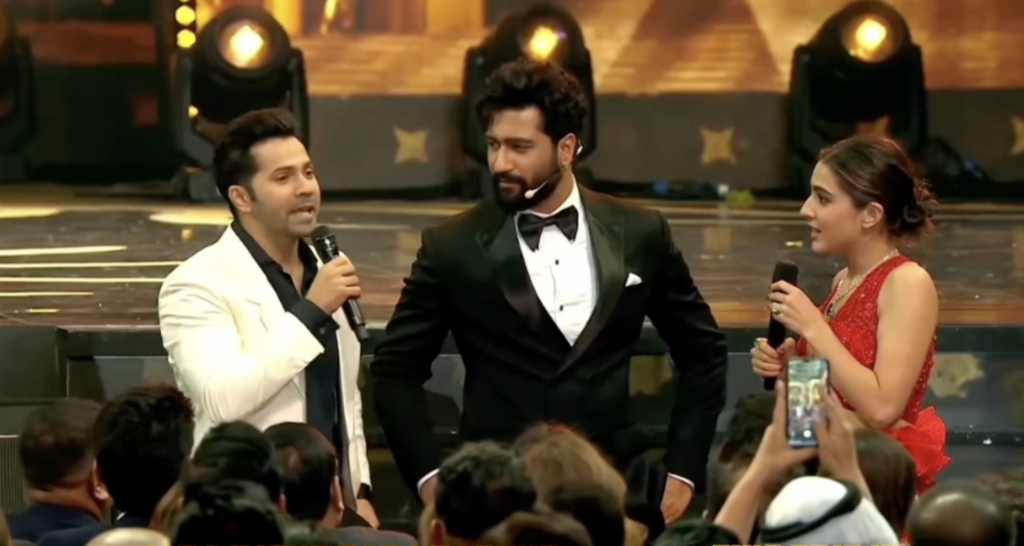
Vicky Kaushal and Sara Ali Khan starrer, ZHZB is releasing soon and you must have seen the two actors making public appearances across India and around the world – at shops, restaurants, religious places, in rickshaws, iifa 2023 and even at the IPL finals in Abu Dhabi.
But has all of that convinced you to buy the ticket for the film?
No? Why?
Because it’s everything we’ve seen and experienced countless times before – how is this marketing strategy different from the rest? It’s not!
So, I thought what could’ve been a better and a more unique marketing and promotional strategy that’s not only relevant to the film’s subject, but also utilises the story and its characters for a more memorable and engaging experience.
Let’s break it down, shall we?
Background:
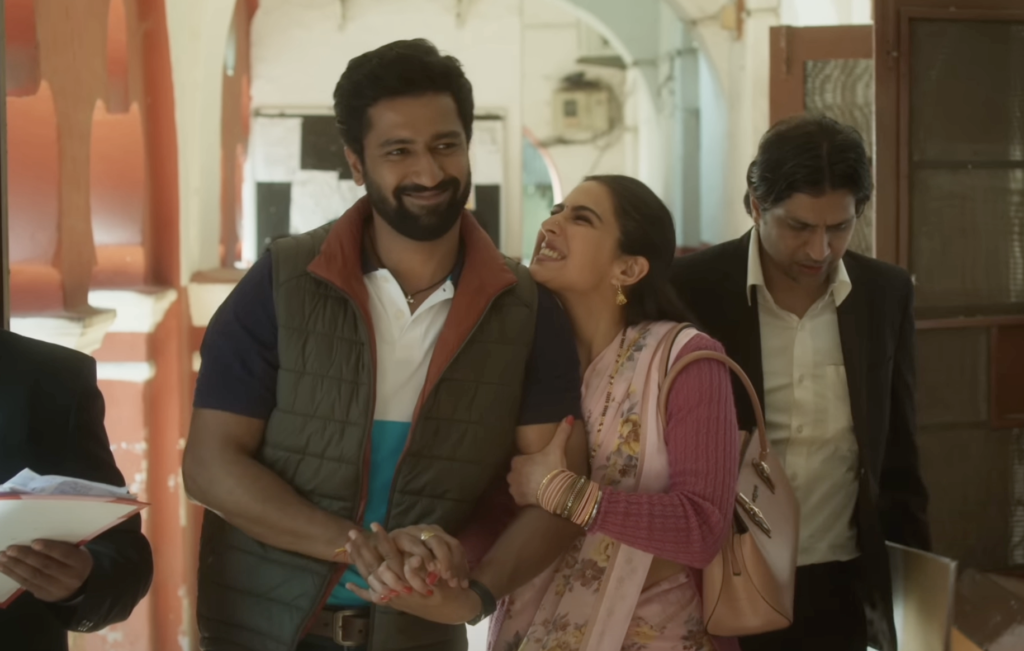
The film focuses on the lives of a young Indian middle-class couple, Saumya and Kapil who, despite being madly in love with each other, decide to get a divorce. Following the trailer, we see them navigate the process and challenges … and the second trailer basically gives away the whole story but let’s stay on track.
Content Strategy:
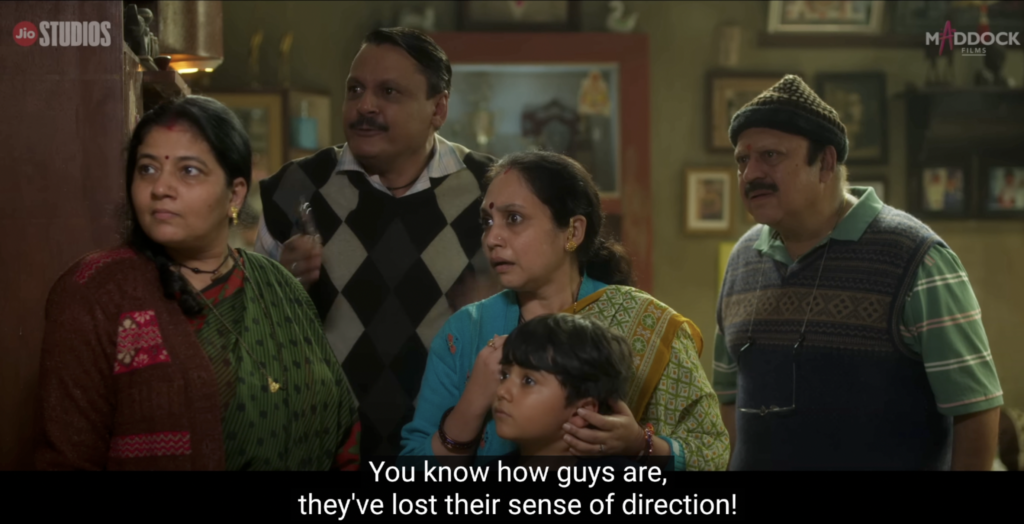
One of the critical elements highlighted in the trailer are the families’ involvement and their distress upon hearing about the divorce.
They are obviously a key factor pushing the narrative so why not utilise their characters for promotions.
Idea 1: Family Reaction
Launch a series of short videos of each family member in the film, talking about Saumya & Kapil’s divorce. Each character will offer a different perspective on the couple and perhaps even provide tips on how to manage the situation.
Idea 2: Video Diary
Since the film follows the journey of the couple from being madly in love to heading for a divorce, launch a series of short videos of Sara & Vicky, or Saumya and Kapil separately, talking about their point of views – almost like a video diary leading to the release of the film (or “divorce”).
Going by the trailer, both their characters are quirky with distinct personality traits that could be entertaining.
Idea 3:Couple’s therapy
I thought this could’ve been an obvious one – couples don’t simply head for a divorce, they try to make it work before all else fails.
So, piggybacking on the previous idea, design a video series of couple’s therapy sessions with Samya (Sara Ali Khan) and Kapil (Vicky Kaushal) as a light comedy drama promotional campaign.
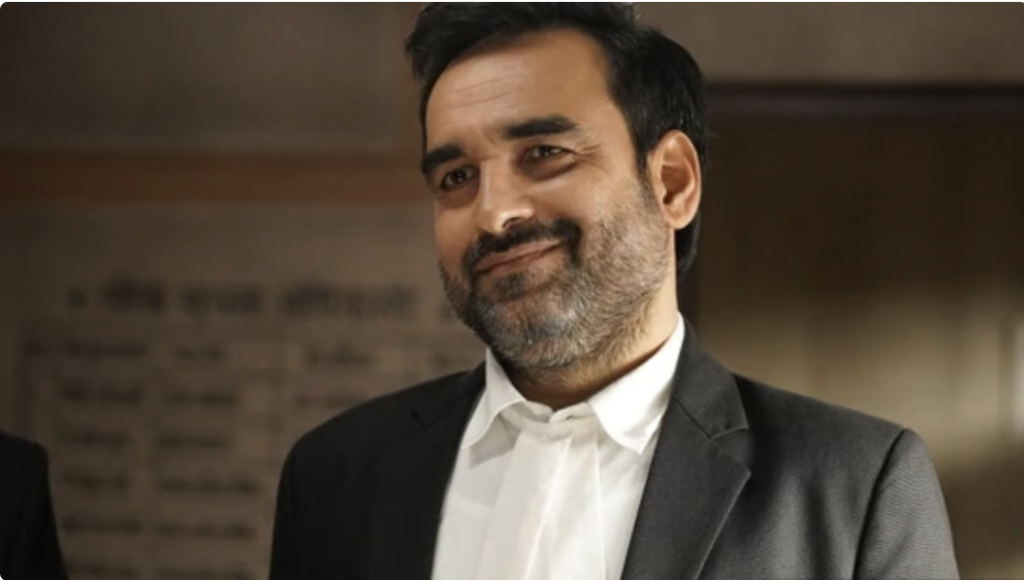
And to make it even more interesting, the therapist could be, none other than Mr. Pankaj Tripathi (who’s also narrator in the trailer) – you can go back and check the first trailer.
As a viewer, I would’ve enjoyed any of those strategies a lot more than the run-of-the-mill pre-release tactics.
The nominations deadline for the UK’s most prominent and longstanding celebration of British Asian achievement across multiple fields is fast approaching, on 6 July.
South Asians in the UK today occupy leadership positions across a range of fields, including politics, business and civil society. The Asian Achievers Awards continue to recognise the outstanding work of such individuals within the South Asian community.
This year’s Awards will take place on Friday 15th September 2023 at the prestigious London Hilton on Park Lane. The event is organised by global advisory firm EPG in partnership with Asian Voice and Gujarat Samachar.
Last year, the Awards paid tribute to Her Majesty The Queen Elizabeth II, with Dame Arlene Foster DBE PC, former First Minister of Northern Ireland, leading the tribute with a one- minute silence.
The evening was hosted by actor Nitin Ganatra OBE, and entrepreneur and documentary filmmaker Deana Uppal. It welcomed celebrities, public figures and dignitaries including Love Island contestant Priya Gopaldas; TOWIE stars Dani Imbert and Junaid Ahmed; comedian, Tez Ilyas (Man Like Mobeen); actors Raj Ghatak, Nisha Aaliya and Yanick Ghanty; music artists Bambi Bains, Rumer and H Dhami; Premier League presenter Manish Bhasin; former Miss England Hammasa Kohistani; Deputy Mayor for Business for London Rajesh Agrawal; Founder and Chairman, Vitabiotics Dr Kartar Lalvani OBE; Founder and Chairman of Lyca Subaskaran Allirajah, and lead researcher for the COVID vaccine from the Oxford Vaccine Group, Maheshi Ramasamy.
Now in their 21st year, The Asian Achievers Awards are recognised as the most prestigious and longstanding celebration of the leading figures of the UK’s South Asian community and their achievements, initiated by public nominations.
There are ten categories available for nomination, including: Business Person Of The Year, Lifetime Achievement Award, Uniformed And Civil Service, Media, Arts And Culture, Community Service, Sports Personality Of The Year, Professional Of The Year, Woman Of The Year and Entrepreneur Of The Year.
Former Prime Minister Liz Truss said: “This event is always a fantastic reminder of the tremendous contribution that the British Asian diaspora have made to the United Kingdom, and I am pleased to celebrate that alongside you.”
Leader of the Labour Party Sir Keir Starmer said: “British Asians are a driving force behind the much of the social, cultural and economic innovation we see in Britain today. You represent so many of the values that help our communities thrive – inclusiveness, hard work and ambition to name a few.”
In the last edition, more than 500 nominations were received, from which the judges shortlisted four per category, evenly divided between male and female candidates. Members of the public can nominate change-makers in the community they deem worth via the awards website at asianachieversawards.com. Strictly no nominations after the deadline on 6 July will be accepted.
This year, UK and Europe’s largest South Asian film festival, takes place at the prestigious BFI, Barbican (London), and MAC (Birmingham). The London Indian Film Festival and Birmingham Indian Film Festival presents a selected season of films and shorts premieres in June, with a larger programme returning in September across the UK.
The exciting June season, supported in London by the Bagri Foundation, includes the European premiere of multi-starrer The Storytellerdirected by Ananth Mahadevan on 22nd June at BFI Southbank and 23rd June at MAC Birmingham. This sumptuous film is based on the writings of Satyajit Ray and includes charming performances from Indian arthouse stalwarts Paresh Rawal as a struggling writer with Adil Hussain and Tannistha Chatterjee amongst the glittering cast, presented by Jio Studios. Cast and crew Q&A expected.
Winning awards at Toronto International Film Festival and Palm Springs International Film Festival high-impact documentary To Kill A Tigercomes to the UK, with the harrowing, but ultimately hopeful story of a village teenager and her loving father, who fearlessly take on their society, demanding justice, when the young woman is attacked by a group of men. A Q&A with director Nisha Pahuja is expected.
A special showcase at the festival are new British Asian movies including a special preview of comedy drama The Effects of Lying prior to its ITVX release, with an all-star British cast including Laila Rouass, Mark Williams, Navin Chowdhry, Ace Bhatti and Bhasker Patel. Following on its heels is our ever popular platform of Brit-Asian shorts showcasing new and emerging film talent from around the UK. Expect a lively panel debate with British filmmakers.
Director N Padmakumar (A Billion Colour Story) returns to the festival with the super-cute love story Max, Min & Meowzaki (world premiered at Busan). This charming film is a must for all cat lovers and fans of anime.
The European Premiere of US documentary Call Me Dancer directed by Leslie Shampaine and Pip Gilmour is a live-your-dreams film charting the journey of Manish, a charismatic teenage street dancer from Mumbai, who dreams of entering the world of ballet against the wishes of his struggling parents.
The compelling debut feature of director Siddharth Chauhan, Amar Colony uncovers the secretive and connected lives of residents in a dilapidated apartment block in a small hill town in the lower Himalayas, unveiling sexual desires and emotional desperations.
The festival is delighted to present a special classic showcase at Barbican of two award-winning features of director Deepa Mehta and starring actor Nandita Das, Fire and Earth, followed by panel debates.
Completing the June in-cinema season is the festival’s most popular annual shorts programme Too Desi Too Queer, which will include the world premiere of documentary Discovering Kali – 25 years of the Legendary Club, charting the ascent of the British Asian LGBTQIA+ scene.
Alongside the cinema season the festival are presenting a range of shorts packages online on BFI Player from 22 June.
The main film festival in London, Birmingham, Manchester, and Leeds will take place between 7- 14 September and is expected to showcase premieres of features, documentaries and shorts, as well as new South Asian series, gaming and XR.
Warner Bros. Pictures invites you to experience the extraordinary sisterhood of three women who share one unbreakable bond in The Color Purple. This bold new take on the beloved classic is directed by Blitz Bazawule (Black Is King, The Burial of Kojo) and produced by Oprah Winfrey, Steven Spielberg, Scott Sanders and Quincy Jones.
The Color Purple stars Taraji P. Henson (What Men Want, Hidden Figures), Danielle Brooks (Peacemaker, Orange Is the New Black), Colman Domingo (Ma Rainey’s Black Bottom, Fear the Walking Dead), Corey Hawkins (In the Heights, BlacKkKlansman), H.E.R. (Judas and the Black Messiah, Beauty and the Beast: A 30th Celebration), Halle Bailey (The Little Mermaid, Grown-ish), Aunjanue Ellis-Taylor (King Richard, If Beale Street Could Talk), and Fantasia Barrino (in her major motion picture debut).
The screenplay is by Marcus Gardley (Maid, The Chi), based on the novel by Alice Walker and based on the musical stage play, book (of the musical stage play) by Marsha Norman, music and lyrics by Brenda Russell, Allee Willis and Stephen Bray. The executive producers Alice Walker, Rebecca Walker, Kristie Macosko Krieger, Carla Gardini, Mara Jacobs, Adam Fell, Courtenay Valenti, Sheila Walcott and Michael Beugg.
Joining director Bazawule behind the camera are director of photography Dan Laustsen (John Wick: Chapter 4, The Shape of Water), production designer Paul Denham Austerberry (The Flash, The Twilight Saga: Eclipse) and editor Jon Poll (Bombshell, The Greatest Showman). The choreographer is Fatima Robinson (Coming 2 America, Dreamgirls) and the costumes are designed by Francine Jamison-Tanchuck (Emancipation, One Night in Miami…). The music supervisors are Jordan Carroll (The Greatest Showman, Godfather of Harlem) and Morgan Rhodes (Space Jam: A New Legacy, Selma); the music is by Kris Bowers (King Richard, Green Book); and the executive music producers are Nick Baxter (Babylon, CODA), Stephen Bray (Respect, Juanita) and Blitz Bazawule.
Warner Bros. Pictures presents a Harpo Films Production, an Amblin Entertainment Production, a Scott Sanders Production/a QJP Production, The Color Purple. It will be distributed worldwide by Warner Bros. Pictures.
The Color Purple will be released across the UK and Ireland on January 26, 2024
Written by Author Kalki Krishnamurthy,Ponniyin Selvanis a 50+ year old Tamil historical fiction novel which is a pop culture relic in the Tamil Diaspora.
Starting from actor MGR to Kamal Hassan and Mani Ratnam, it was a huge dream for many filmmakers to adapt this Tamil magnum opus on to the screen.
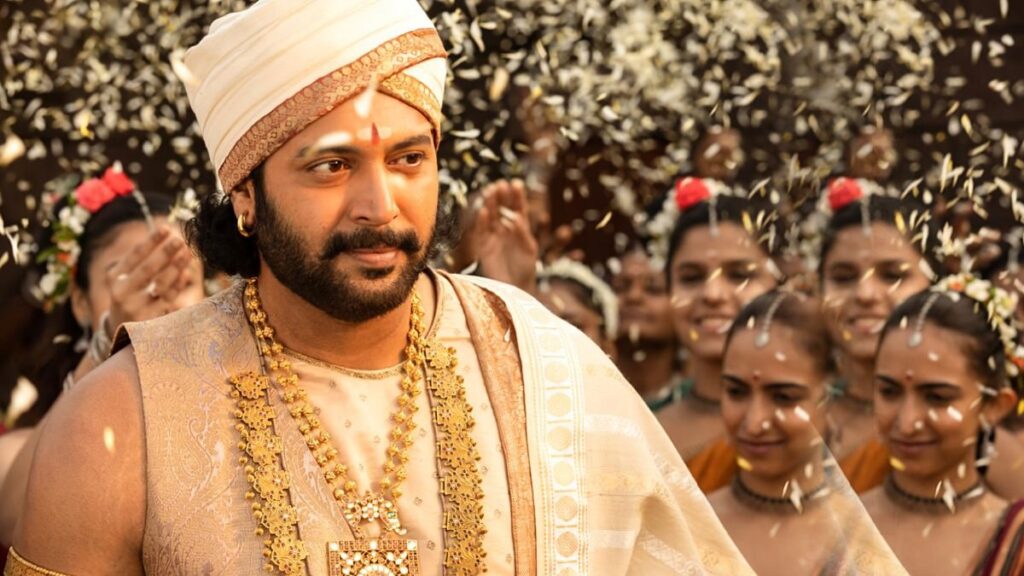
In 2022, the first part of Mani Ratnam’s Ponniyin Selvan saw the light of the day and it became a huge success. The first part concluded with a cliff-hanger which featured Arunmozhi Varman (Jayam Ravi) and Vandhiyathevan (Karthi) sunk in the sea and a mysterious lady attempted to save them.
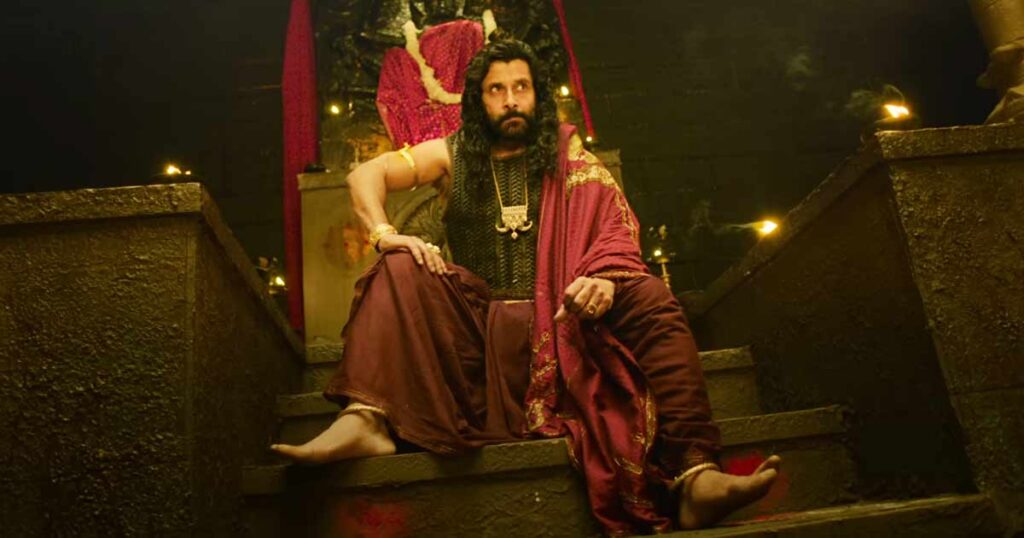
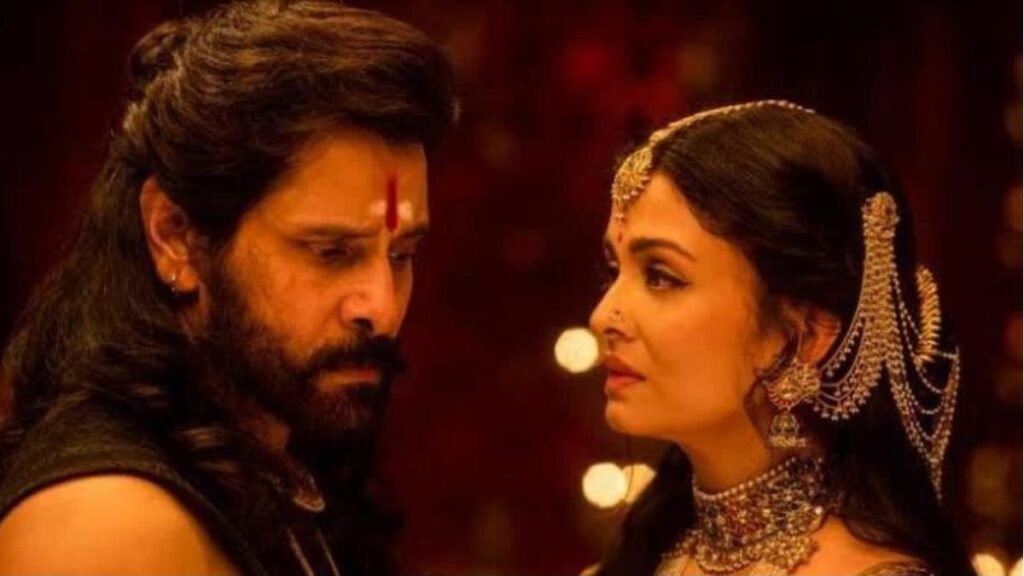
The sequel of the film starts with a prologue narrating the young romance between Young Aditha Karikalan (Santhosh) and young Nandhini (Sara). The film then progresses to show the status quo of Arunmozhi Varman who is severely ill and, in another side, Nandhini (Aishwarya Rai Bachchan) is plotting the murder of the Chola heirs along with the rebel group of Pandyas.
Did Nandhini’s murder plot succeed? How does Aditha Karikalan’s (Vikram) romance comes into the play? Did Arunmozhi Varman become the king? These questions form the rest of Ponniyin Selvan: Part 2.
Understanding the essence and reverse engineering:
Most people misinterpretPonniyin Selvannovel as “real historical account of Cholas”.
Author Kalki Krishnamurthy converted a lot of research into the real history of cholas and the conspiracies surrounding the kingdom. He used these facts and conspiracies, tied them with fictional knots to make his own version of the Chola history, and he even acknowledges it in the novel at certain points.
Every medium has its own share of boon and bane.
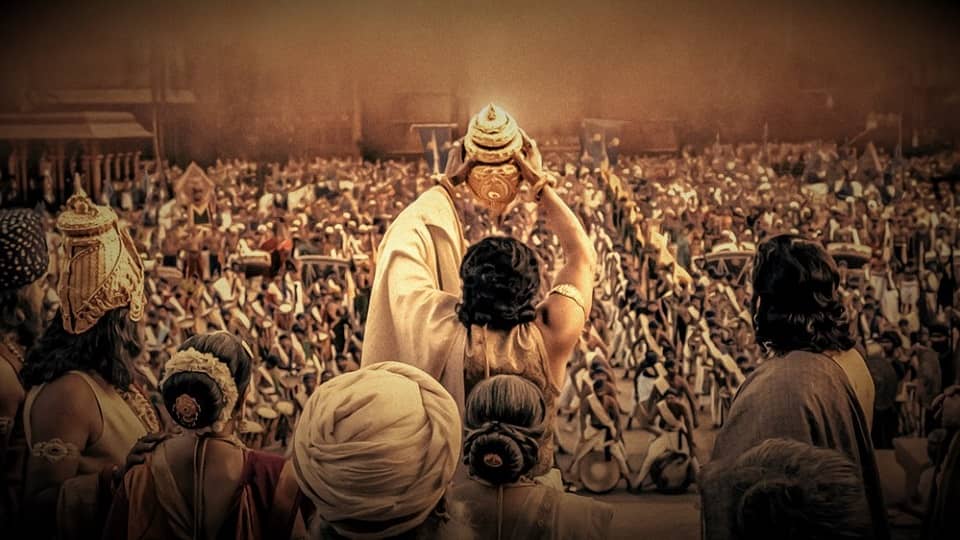
The literary medium gives you the space to imagine a world of yours whereas the film medium presents you it’s world. While the novel’s centre focus is on King Arunmozhi Varman aka Ponniyin Selvan, it technically doesn’t revolve around him. It’s about the snowball effect of events that led to his coronation and the golden age of Cholas.
The writer trio of Ratnam-Jeyamohan-Illango Kumaravel understood this essence of the novel and the second part takes a deep dive into the mind games and political ploys between the heirs of Sundara Chozha (Prakash Raj) and the rebel group of Pandyas.
The film cuts the clutters of countless subplots of the novel and puts its centre focus on the doomed romance between Aditha Karikalan and Nandhini which forms the inception of all the cholas chaos.
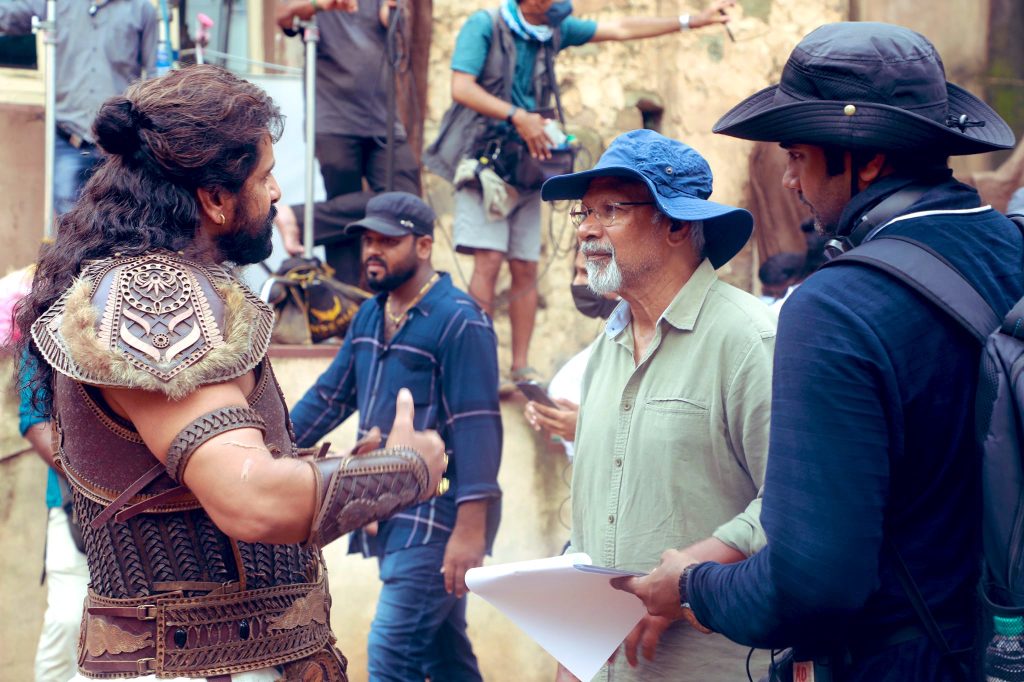
Director Mani Ratnam cements the raw and realistic approach in this sequel just like he did in the first part. He uses the lens of DOP Ravi Varman and he pushes the minimal field of view to the maximum level possible to extract the micro-emotions out of the actors performing the characters.
The 360-degree panning shots and the low-angle shots add the cinematic quality to the conversations in its staging making us feel engrossed to this game of thrones. Especially the pre-climax confrontation scene between Nandini and Aditha Karikalan will truly be marked as one of the best staged scenes of all time in Indian Cinema.
These intricacies felt like a reverse engineering of his films Thalapathy, IruvarandRaavanan. Watching the film, I got to understand how the source material “Ponniyin Selvan” has shaped his filmography.
Usually, film connoisseurs emphasize on the policy of “show don’t tell” which works for film medium a lot of times.
But, in Indian Cinema most of the time it has not been the case as filmmaking sensibilities here are defined by the diverse theatre culture across different regions. It was always about conveying the Navarasas through the body language and dialogues rather than showcasing a spectacle out of it. This made me understand the reason behind the success of vintage Tamil period dramas like “Vanjikottai Vaaliban”, “Chandralekha”, “Madurai Veeran” etc. which understood the pulse of rooted dramatic storytelling.
It might not be an overstatement that Ratnam’s Ponniyin Selvan: Part 2 follows the steps of these classics.
Vicious Cycle of Power, Karma:
Throughout the film, Ratnam emphasizes on the vicious cycle of power and karma and that chases the lives of the royal family members. The hunger for power can change anyone even the most beloved people’s minds around you. But, behind this hunger for power, there lies some warmth and unfiltered love.
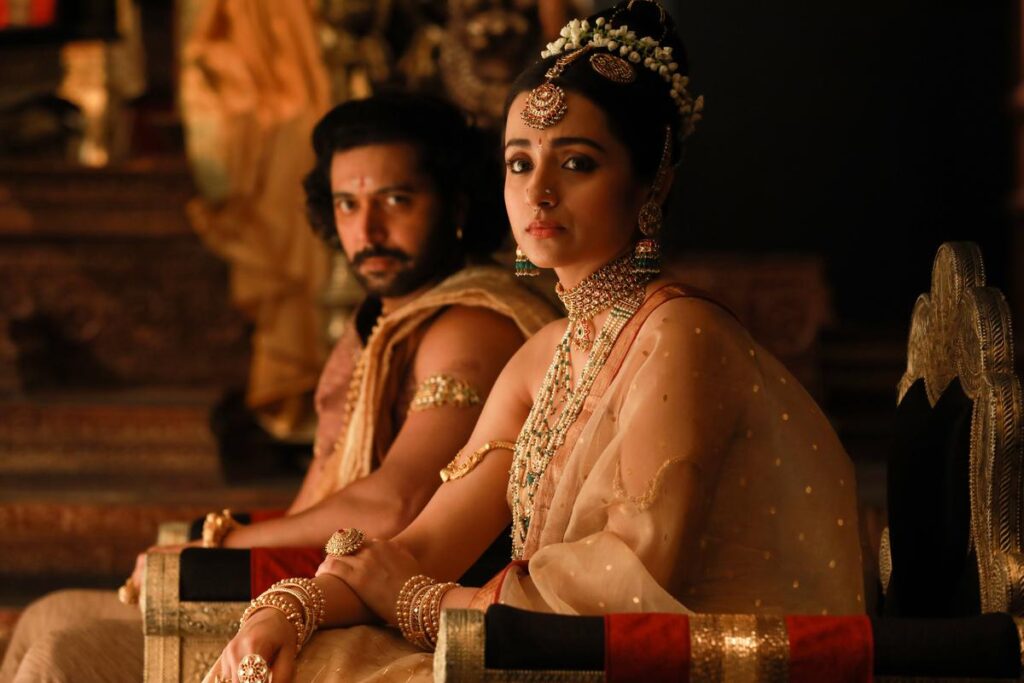
Ratnam delivers a nuanced perspective along these lines with the characters of Kundhavai (Trisha), Arunmozhi Varman (Jayam Ravi) and Vandhiyathevan (Karthi). As the film revolves around mind games, intellect of the characters plays a great impact into the story. Especially Arunmozhi Varman aka Ponniyin Selvan’s character who shines a lot in this part because of the smartness and his brains over brawn approach which makes him a more matured royal king than just a cardboard cut-out.
The scene where Arunmozhi tackles the killers of Pandyas in the Buddhist monastery is where this aspect is evident. It’s not just the character sketches by Ratnam but the actors who breathe life into the characters, blended with sharp dialogues that deliver great justice to the source material.
The Masterful Technical Brilliance:
The lens of Ravi Varman focusses into the skies a lot of times which makes it a trademark of Ratnam’s visual language and it made me realise how rarely we see shots of skies in Indian Cinema.
Apart from the power of pen and the lens, the masterful sound design by Akash Krishnamurthy and Craig Mann captures the impressions of the claustrophobic tunnels, the walls of magnanimous castles, the silent waters and the bloodshed battlefields. Thotta Tharani’s production design is something noteworthy in this part especially the placement of veils throughout the film felt like it conveyed the wavering principles of the characters. The music by AR Rahman focusses more on re-recording and background score which gives the operatic tone to the film. He understands where to use the silence as James Coltraine always used to say that “music is always the silence between two notes”which makes us empathise with the situations and the characters.
The placement of the melancholic “Chinnanjiru Nilave” song, the sensual “Aga Naga” song, the triumphant “Veera Raja Veera” song (which is taken from Dhrupada composition) and the divine “Aazhi Mazhai Kanna” song (which is taken from Aandal Paasuram) are brilliant in its own way. The editing by Sreekar Prasad takes its steady pace to sit with us.
While the film has a lot of high points, the game of thrones has some flaws here and there.
As the film revolves around multiple locations, the geography felt confusing. While the drama is finely crafted, the action pieces could have been more fluid and the VFX was hammy at many points. This might not be a downside but as this film takes a lot of creative liberty to the source material it can irk the fans, which leads to a plethora of discussions and debates amongst the diaspora.
Still, it’s safe to say that Ratnam gave his own twist to “Ponniyin Selvan” novel just like Stanley Kubrick did for Stephen King’s “The Shining”.
This further proves that the 40-year legacy of filmmaker Mani Ratnam has always been about treading experimental waters. And I hope that in the near future this might be a blueprint for further “Ponniyin Selvan” Adaptations and classic literary novel adaptations.
In a nutshell, Ratnam’s Ponniyin Selvan: Part 2 is a Shakespeare styled succession drama of family and power with indigenous sensibilities that retain the essence of the source material and a masterclass in conversations staging.
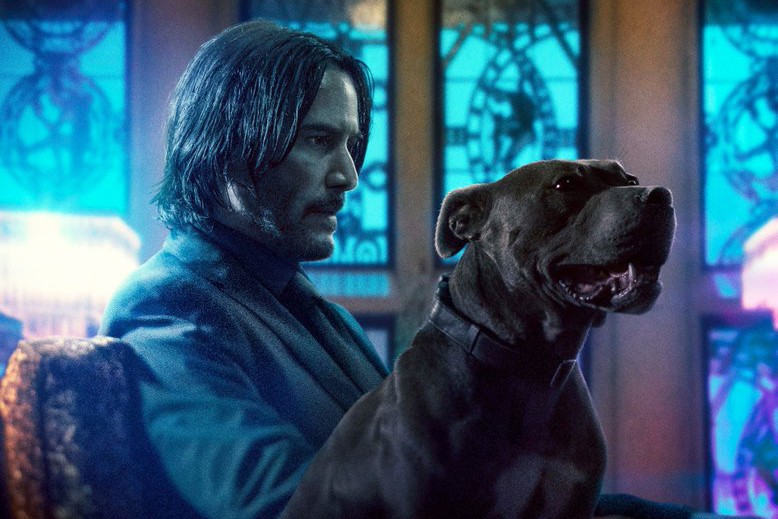
It won’t be an overstatement that Chad Stalhelski’s Sleeper-hit 2014 Action film John Wick divided modern action film-scape into two eras: “Pre John Wick” Era and “Post John Wick” Era.
The franchise set a golden standard for modern action genre (neo-noir genre too). While most of the action franchises deteriorate with the addition of instalments, this new instalment cements the fact that John Wick franchise is one of the most consistent action franchises in Hollywood.
What started out as a minimal budget action entertainer in 2014, with John Wick Chapter 4 turned out to be a multi-million-dollar grand globe-trotting action spectacle.
Providing a Sensory Action Experience:
John Wick Chapter 4 borrows every great aspect from its predecessors and amplifies it 4-times to offering a definitive neo-noir action experience than just “watching”.
The distinct character sketches and meticulous production design contributes to the open-world action video game/VR Game reminiscent narrative structure like Watch Dogs,Red Dead Redemption and Grand Theft Auto, which has main quests and side-quests ultimately leading to a great action set-piece.
More than just a viewer you’re made to feel as a participant of the proceedings of the John Wick world experiencing the punches and blasts.
From the neon-lit Osaka city to the picturesque Paris streets, the stunt choreographers of the film use the geography in the most out-of-the-box manner and delivers the authenticity in every action set piece which sets a benchmark in terms of the level of intensity.
In a current scenario where most of the cookie-cutter action blockbusters prefer under-lit sceneries to cover-up the mishaps in technical side, John Wick 4 provides the visibility in action sequences making us recognise each and every move of the characters.
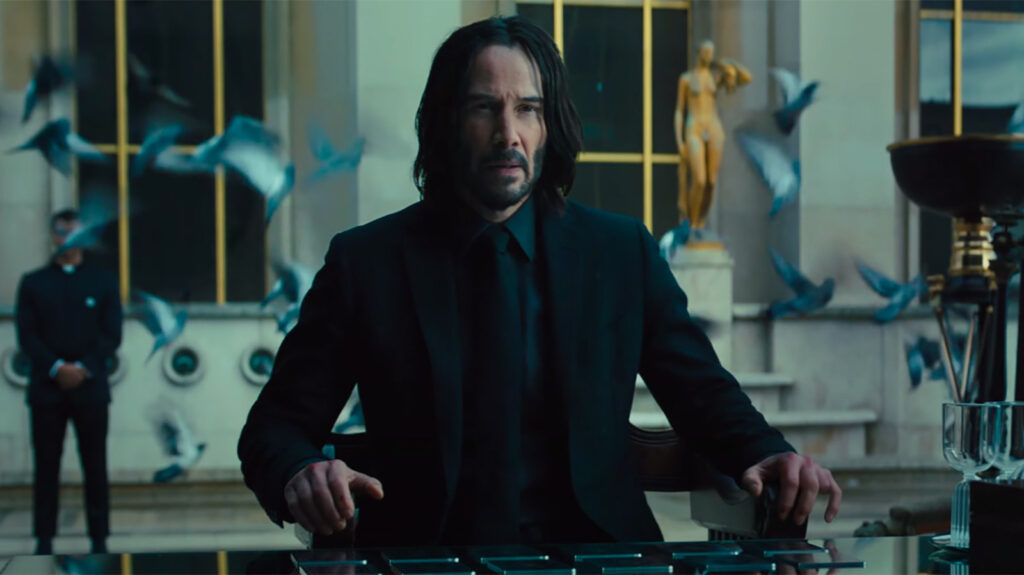
Cinematographer Dan Lausten and editor Evan Schiff makes some of the most unconventional yet creative choices by providing water like fluidity and vibrance in action sequences. The eagle’s eye view shot of the scene where John Wick (Keanu Reeves) kills the goons with Dragon-breath gun is noteworthy and totally provided the unmatched gaming experience (even without a VR headset/joystick) in silver screen.
The blend of Hard Rock and Synth in the Background score by Tyler Bates and Joel J Richards intensifies this video-game like audio-visual sensory experience.
Homage to the Old School Action and Modern Action genre:
Starting from the rising popularity of Akira Kurosawa’s Samurai films to John Woo’s “Gun-Fu” films, Asian Action films have been a great influence in Hollywood action genre.
Chad Stahelski and Keanu Reeves’ famous 1999 collaboration, The Matrix gave a great justice to the art of Gun-Fu Martial art styles. When these two unstoppable forces, once again joined the hands for John Wick in 2014 it was total carnage.
John Wick franchise doesn’t really try to mimic the John Woo films but derives great facets from it providing a new and original spin to it. More than the “Gun-Fu” influences, John Wick Chapter 4 takes its inspirations from Sergio Leone’s “Dollars Trilogy”, Bruce Lee’s Martial Arts films, Japanese Samurai Films and Jackie Chan Films making this instalment a genre amalgamation.
In one of his interviews,Chad Stahelski mentioned that the Eagle’s eye view Dragon breath-gun fight scene was inspired from an Indie Videogame titled Hong Kong Massacre. Be its making or its narrative or its setting, the world of John Wick bridges the gap between old-school and modern sensibilities providing an homage and at the same time standing on its own.
Behind the blood, there lies emotions:
Director John Woo says that “action films should reflect our deepest emotions and actions without emotions is useless”. The humane emotions that’s inherent in the franchise makes us anchor to our seats through every action set piece.
From the first film, every viewer thought that “how can a guy go on a killing spree for a dog?”
But Chad Stahelski provided the emotion with full conviction making you empathise with John Wick.
The further instalments explored the themes of brotherhood, loyalty, friendship, purpose and John Wick Chapter 4 provides more emotional drama than its predecessors adding the mythos to its world.
Charon (Late Lance Reddick) in this chapter emphasises how loyalty is an important quality where even Winston (Ian McShane) acknowledges how much he was more than just a Concierge but a “friend”. John Wick’s colleagues like Bowery King (Laurence Fishburne) blur the lines between good and evil in this neo-noir world.
Just like Gilgamesh from Epic of Gilgamesh who killed everyone who came across his path to attain immortality, John Wick character especially in Chapter 3 and 4, kills everyone who comes across his path to attain “freedom”.
To kill the unstoppable John Wick, Marquis De Gromant (Bill Skarsgard) sends Caine (Donnie Yen), a visually-challenged assassin who comes out of his retirement. In introspection, Caine and John Wick are two sides of the same coin. Their paths are same but their purposes are different.
John Wick’s character arc in this chapter can be encompassed with the words of James Baldwin – “The most dangerous creation of any society is the man who has nothing to lose”.
In his path to freedom, through the eyes of Caine, John Wick understands what’s freedom without a purpose and what it means to empathetic. He is given poetic freedom in the end that after all this spree he always destined to be a “loving husband”.
It’s no wonder that his goodbye was something reminiscent of Spike’s ending from the 90s Hajime Yatate’s “Cowboy Bebop” anime series which Keanu Reeves himself has acknowledged in many interviews.
In a nutshell, “John Wick Chapter 4” is an epic rhapsody of blood, blasts and bruises that is meant to be experienced in the big screens!
I’m sure you picked up on the symbolism of the crows in the series Beef, but did you notice all the other recurring motifs symbolizing and foreshadowing critical aspects of the narrative and the character’s fates?
Pss… spoilers ahead !
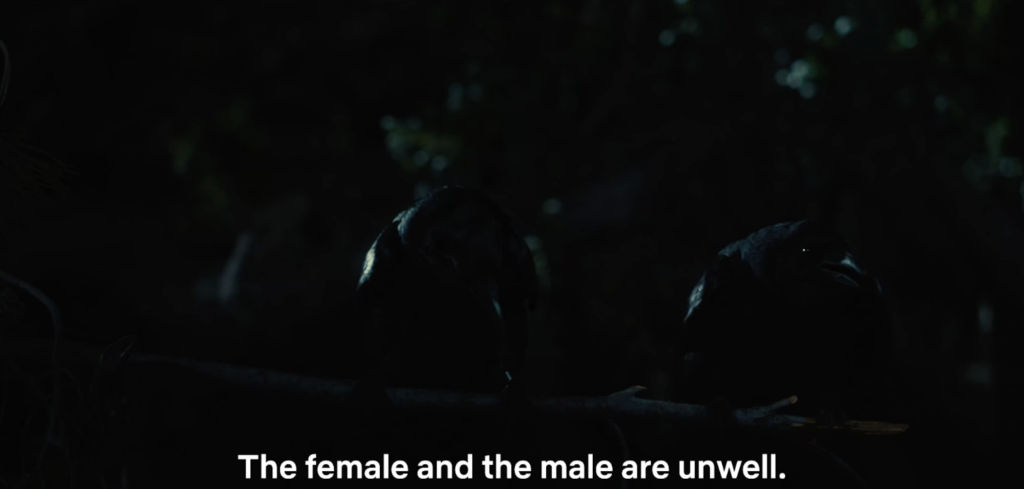
Let’s start with the obvious one – Crows !
In some cultures, crows are often associated with ill fortune and are believed to bring bad luck.
So, in the first episode when Danny Cho (played by Steven Yeun) says “Crows love me” while climbing a tree (hint: foreshadowing his fate), what he means is the black birds don’t bring him bad luck.
Or when Amy Lau (Ali Wong) initiates a flirtatious conversation with Paul (played by Young Mazino) at the terrace of Jordan Forster’s (played by Maria Bello) home, we see her get startled by a crow – symbolizing the looming disaster that’s upon her.
There are several subtle sequences in the series where we see crows either flying in the background or being mentioned in conversations, which have prophetic or ominous connotations. But that also means that they were following Danny and Amy’s feud just like us!
Fast forward to the last episode, when the two crows are “spilling the tea” with one another about these emotionally damaged humans Danny and Amy, we see a turning point. Another symbolic representation of how the bird is associated with transformation.
In some Korean myths and legends, crows are depicted as shapeshifters or magical creatures capable of transforming into humans. But here, Amy and Danny transformed into each other. Sure, the “magical” berries could’ve been responsible for that too, but I’d like the crow theory better.
The Tamago Chair
We’re introduced to the world of artsy chairs at an exhibition hosted by Fumi Nakai (played by Patti Yasutake), who’s the widow of a renowned architect and artist. She’s also George’s mum and Amy’s very judgemental mother-in-law !
Why are chairs a significant element in Beef?
In various Eastern cultures, chairs are often associated with status, power, authority, and hierarchy. For example, the head of the family would traditionally sit on the most important or highest chair at family gatherings or for meals. Emperors, officials, or other high-ranking figures would sit on elaborately decorated chairs as a symbol of their status and prestige.
So, what does that tell us about Fumi and her perspective on her family’s reputation?
The woman who has not worked a day in her life is holding onto these pieces of furniture to show (not sell) her rank in society. And the same mindset is instilled in future generations, i.e. George Nakai (played by Joseph Lee), who values The Tamago higher than any business transaction, because that chair is a status symbol. Also, a memory of his late father’s work.
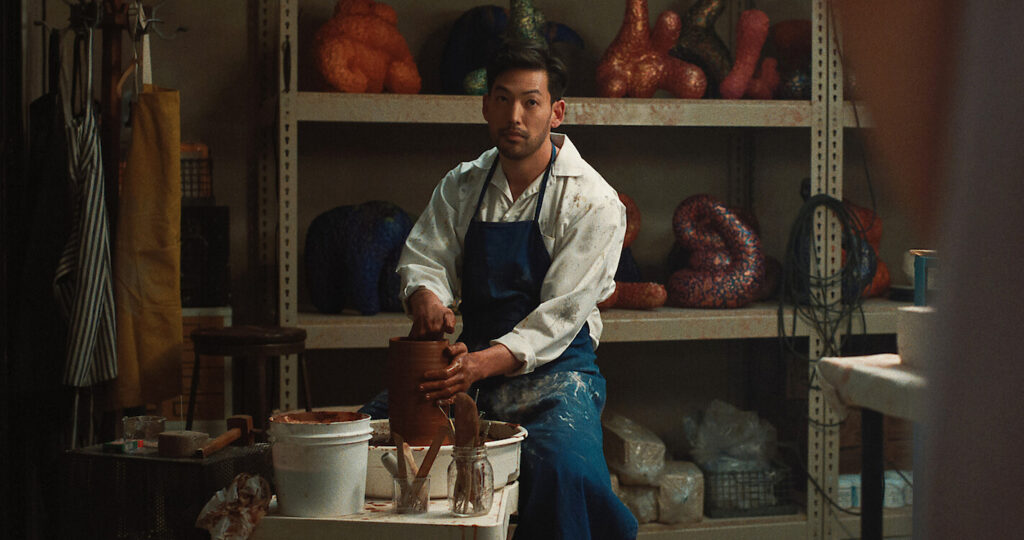
Speaking of which, let’s talk about George’s art – the vases.
The Vases
I’m not talking about the aesthetics of the sculptures, but the ornament or the container itself.
The husband is the homemaker in Beef – holding the fort, keeping the family together and containing all of theirs and his own emotions… symbolically, in a vase.
And that is exactly why Amy subconsciously detests those goopy, lumpy vases, because George is more zen and has the ability to control his emotions, while she doesn’t.
Which also perhaps why she feels like a fraud, because anyone who works with plants is a nurturer and tends to be kind, calm, empathetic and rooted. All of which, we know, Amy is not.
This leads me to another motif …
Water Leak
I might be over analyzing this but hear me out.
There are two distinct sequences in the series where there’s a mention of plumbing issues and remodelling that require immediate attention.
Danny walks into Amy’s home twice suggesting a potential water leak, and the respective reactions from Amy and George is where the symbolism lies.
Amy is frustrated and overwhelmed to have to deal with another issue, while George’s reaction is more restrained. Amy sees water-leaks as loss of control or as an inability to manage a situation. It’s almost like an emotional leakage indication the need to release or express pent-up emotions.
George, on the other hand takes it upon himself to fix the leakage; once again, he’s able to contain the information as well as his emotions and deal with it.
The Handyman
Since Amy’s profession gave an insight into her insecurities and personality, Danny’s job as a handyman and his work ethic is an insight worth highlighting.
He could’ve had any profession but he’s a handyman who symbolize practicality, resourcefulness, efficiency, and adaptability.
While we see the enraged side of Danny, he’s comparatively calmer and more collected in his approach to solving problems. What Amy lacks in emotional stability and health, he lacks in material wealth. So not only are they each other’s outlet for their respective shortcomings, but they even balance each other out.
Popcorn Rating – [5/5]
Beef is one of the most deliciously cooked and presented series I’ve watched in a while.
I’m sure there’s a whole lot more that I’ve missed.
Did you notice any other themes and symbolism in the series?
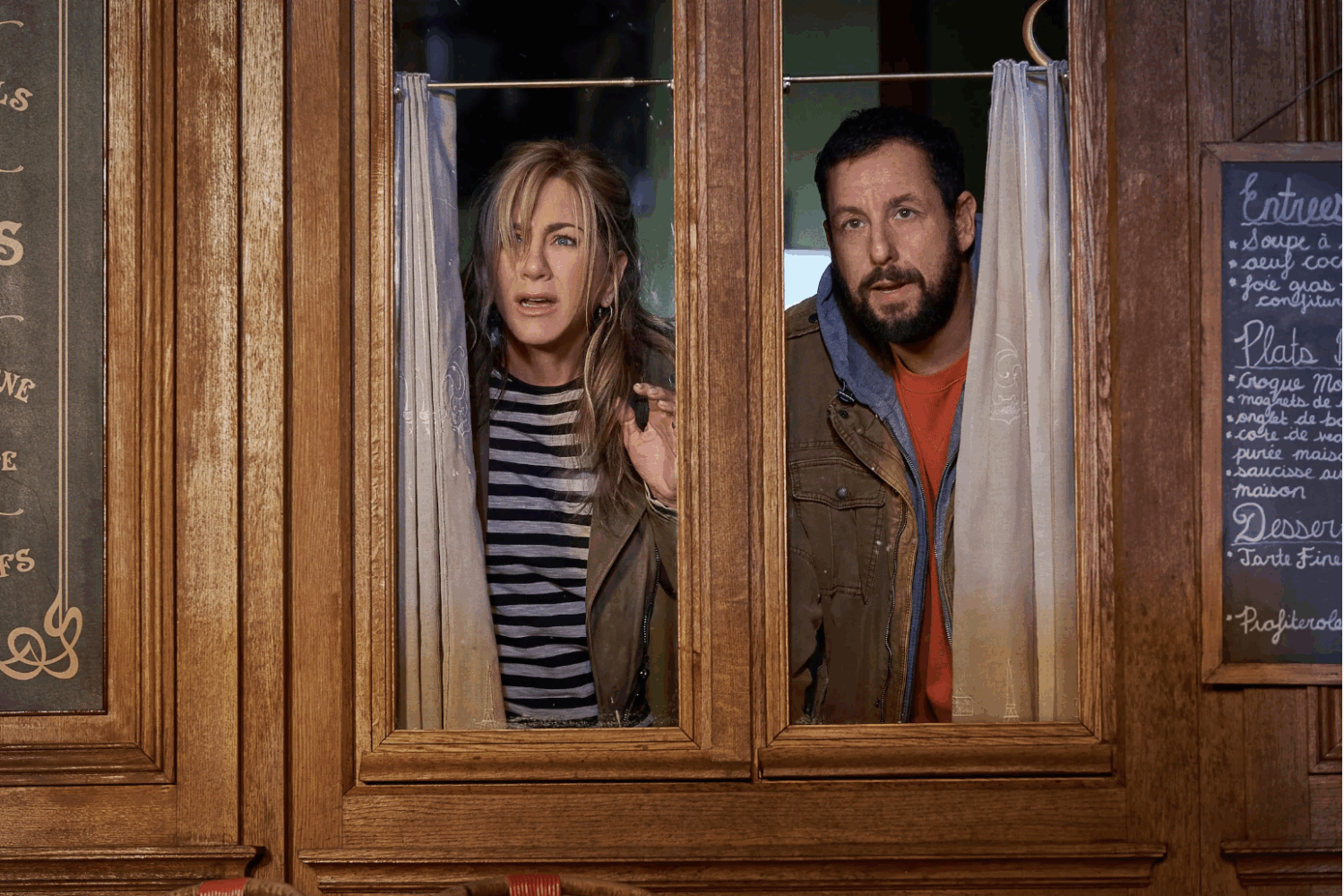
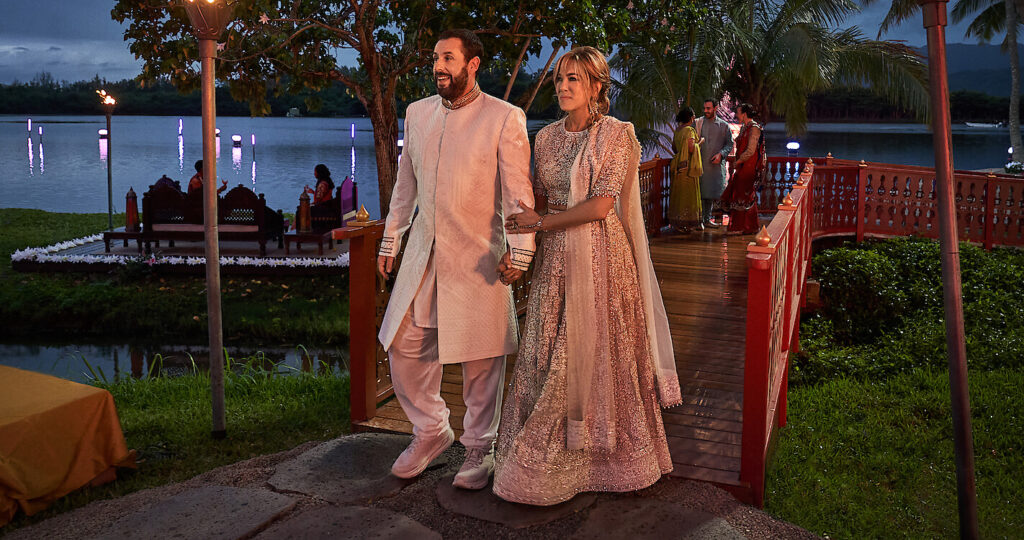
Netflix’s sequel, Murder Mystery 2 reunites Adam Sandler and Jennifer Aniston as the crime-solving couple Nick and Audrey Spitz, who have now formed their own struggling private-investigation firm. Despite the unimpressive nature of the first film, Murder Mystery (2019) and the questionable necessity of a sequel, this follow-up surprisingly offers a mixture of charm and humor that is hard to resist.
In the sequel, the Spitz couple finds themselves at the extravagant wedding of their friend, the Maharajah (Adeel Akhtar), only to witness his kidnapping.
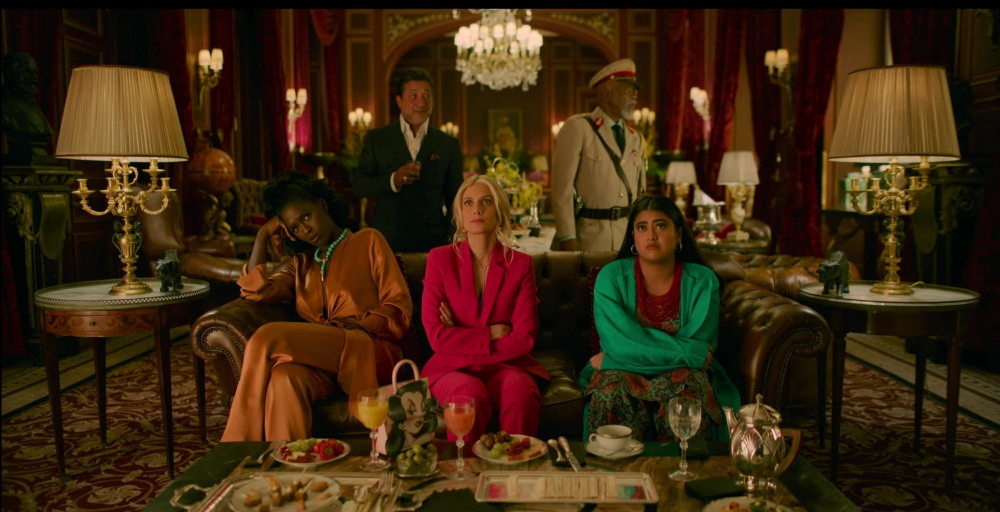
The film then takes the audience on a whirlwind journey from a tropical island to the streets of Paris, as the couple and a colorful ensemble of suspects try to solve the mystery.
One of the standout aspects is the undeniable chemistry between Sandler and Aniston, who once again demonstrate their endearing and relatable connection as a married couple. Their good-natured bickering and authentic portrayal of a long-term relationship adds depth to the otherwise formulaic story.
The film’s humor leans heavily on dumb gags, and while it may not be for everyone, there is something genuinely amusing about the loopy, laid-back timing of Sandler’s delivery.
Director Jeremy Garelick and writer James Vanderbilt manage to inject some much-needed energy and visual elegance, lifting it above its predecessor. However, the sequel doesn’t offer much in terms of substance or innovation.
The exotic locales and the allure of movie stars simply being movie stars may provide a temporary escape for viewers, but the lack of a compelling plot and the reliance on slapstick humor leaves it feeling like a time-filler rather than a truly memorable experience.
Despite its shortcomings, this entertaining, if ultimately unremarkable, continuation of the Spitz couple’s adventures provides a mildly enjoyable experience.
The film’s blend of amiability and dumbness may not appeal to everyone, but for those seeking a lighthearted watch after a long day or as background noise during household chores, the sequel offers a pleasantly surprising escape.
Popcorn Rating – [2.5/5]
Sandler and Aniston reprise their roles as the crime-solving Spitz couple in this surprisingly amusing sequel, offering a lighthearted escape for those seeking simple pleasures and a touch of charm.




 [2.5/5]