Stories

The good, the bad and the cringe about ‘Class’ on Netflix

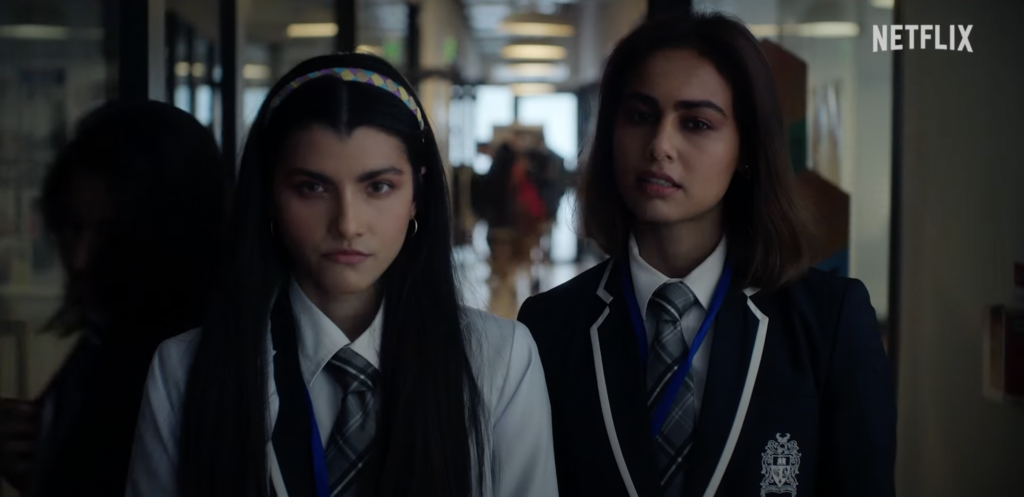
If you can get past the first 15-20 minutes of cringe stereotypes and cliched characters in the new Netflix series called Class, then good luck!

As you may already know, Class is an Indian adaptation of the Spanish show called Elite, which is about an “elite” high school exploring the relationships of students from different background and the drama and harsh realities that come with it.

This article is not a comparison of the original series and not even an objective review of the show; This is more of an opinion on the various elements in the series.

Like Elite, Class revolves around students at a fancy high-class school in Delhi and the relationships between three working-class students who are given the equal opportunity to enrol with some wealthy classmates.

It’s a bunch of teenyboppers being spoilt brats, indulging in sex, drugs, tantrums, bullying, and … yeah, that’s pretty much it.

It’s Student of the Year meets Big Little Lies… and 13 Reasons Why – You might feel a lot of déjà vu.

The girls wear too much make up in high school and have perfect hair, and teenage boys walk around the corridors with chiselled bodies wearing Rolex watches and Armani shoes.

I get it, this probably the easiest way to show wealthy snobs in school.

But can someone explain to me how on earth is a student blatantly bribing a teacher and being snarky without any repercussions? Which school allows that?

What follows in the next few episodes is a flash-forward plot interrogating suspects of a murder mystery, taking place in two timelines.

An element that I’ve noticed a lot of makers use these days is a set template for their characters and stories. It’s almost like a checklist.

A scheming, conniving character. A highly sexual character. A same gender relationship. Substance abuse and violence. Wealthy and frivolous parents of troubled kids…

It’s becoming exhaustingly unoriginal.

Few days ago, I watched Vasan Bala’s documentary called Cinema Marte Dum Tak, where there was an interesting point raised about how the evolution of particularly for the digital medium. An old time Film Distributor, Hyder Gola said something very apt about the perception of presenting “bold” content.

He said that if big directors make the same “adult-rated” content, they will be praised by the audience for giving their stories “an amazing sexual effect”.

Class is streaming on a reputed platform like Netflix so it’s safe to assume that necessary guidelines and appropriate ratings are checked for the “mature” audience.

But it’s still mainstream and easily accessible.

Not that I’m not comparing this series to an adult film or a B/C grade content. I just don’t agree with the hyper-sexualized content across the board passing off as creative cinema, especially showing teenagers or characters of impressionable age in such scenarios.

At some level, it’s understandable to take creative liberties with art and take risks, but don’t forget that art can also be perceived as a representation of reality.

I find it hard to believe that the urban Gen Z’s of Delhi or India, in general, are so notoriously ignorant, insensitive and hostile towards anyone from a different section of society. Or is this what we’re supposed to believe happens in the top ranked schools in urban cities?

However, not all is bad.

There are some refreshing aspects of Class that are worth acknowledging and appreciating.

One is its attempt to bring the prevalence of the caste system into focus and show the unfortunate and very real class-divide in society. Not enough is done in mainstream cinema to shed light on the issue.

And the other is a superlative cast.

99% of the actors are new and everyone is committed to their roles. At no point can you fault their commitment to the characters and the finesse with which all the “students” have acted.

I just hope they don’t get type casted in such characters because they’re all very promising. Honestly, the only reason I watched the complete season.

Popcorn Rating –  [2/5]

Overall, Class just didn’t sit right with me.

Why is Bollywood so popular in the Middle East?

Shah Rukh Khan recently promoted his film Pathaan in Dubai, with its trailer showing at the Burj Khalifa – and he’s also the city’s tourism brand ambassador.

Few days later, we saw actor Amitabh Bachchan inaugurating a football match as a chief guest.

In December 2022, Bollywood celebrities were seen visiting Jeddah for the Red Sea International Film Festival in Saudi Arabia – never saw that coming.

And last year, we saw a bunch of celebrities announce their 10-year Golden Visa for UAE.

But why has Bollywood suddenly become so much popular in the Middle East?

The middle east has always been obsessed and in love with Bollywood.

How do I know this? Because I grew up Kuwait !

Before the advent of glamourous multiplexes, we had a shoddy single screen theatre in Kuwait called Firdaus cinema, which was the only theatre that screened Hindi films.

That was a big deal at the time because there was a specific theatre dedicated to only Bollywood films and all films were screened there. Not just the big budget films.

But the infatuation didn’t stop there.

The local cable channel called Kuwait Television, or KTV used to air Hindi films every Friday (Thursdays and Fridays were weekends back then – Friday being equivalent to Sunday, a family day).

Our Friday ritual at home was to have biryani and tune into KTV 2, sometime between 3 and 6 pm, to watch a Hindi movie with Arabic subtitles.

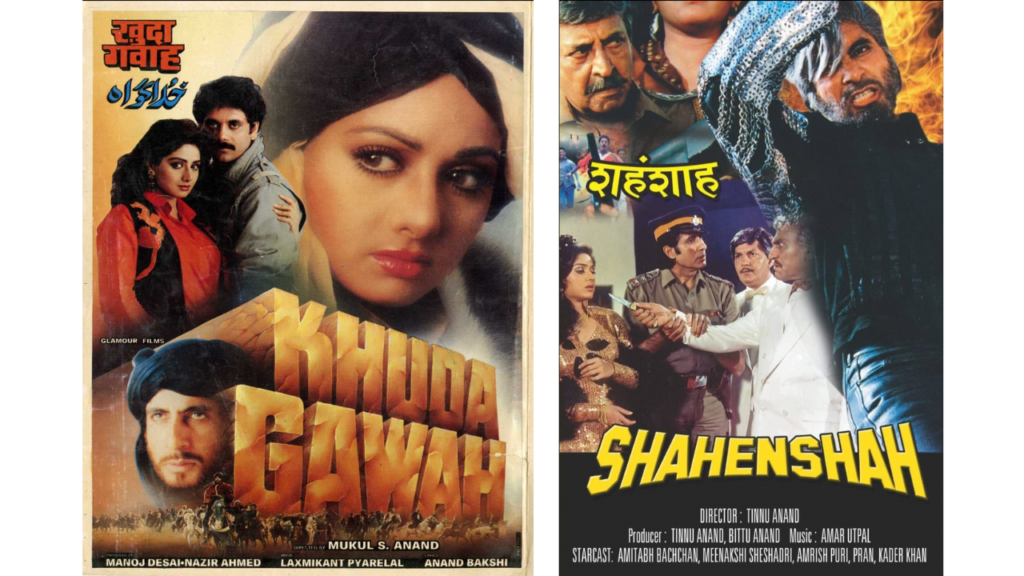
And for the longest time the only films that were shown week on week were either 1992’s Khuda Gawah or 1988’s Shahenshah.

Not sure about Shahenshah, but the characters and backdrop of Khuda Gawah set in Afghanistan fascinated Arabs. And I think Amitabh Bachchan set the tone for all South Asian films in the region.

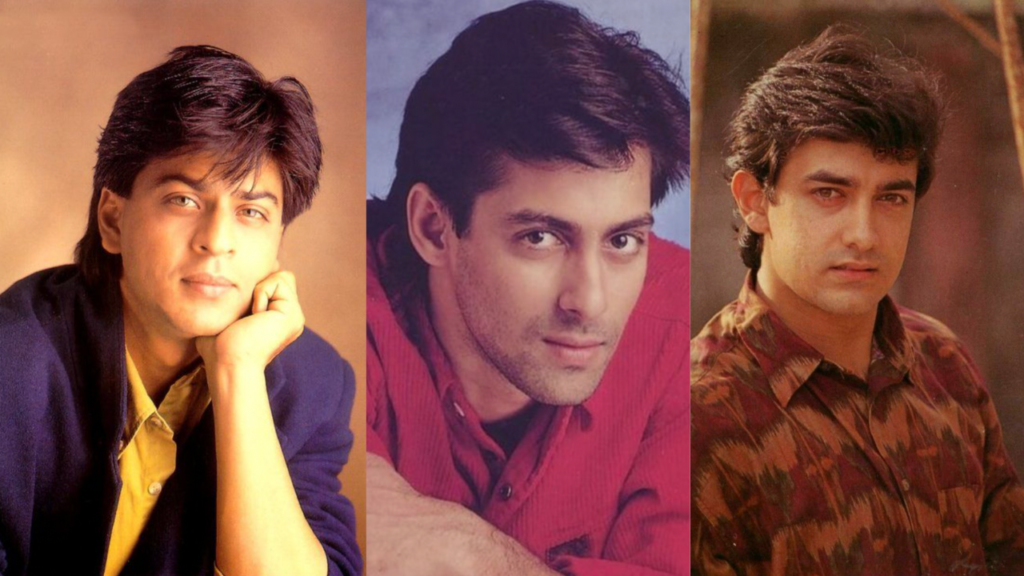
Any guesses who were the other male actors adored almost three decades ago?

The three Khans who ruled the industry in the 90s – Shah Rukh Khan, Salman Khan and Aamir Khan.

This was around the time of Dil Toh Pagal Hai, Mohabattein, Raja Hindustani, Kaho Na Pyaar Hai and Hum Dil De Chuke Sanam, when the Bollywood craze was at its peak.

Bollywood films became increasingly popular in the Middle East also because people resonated with the romance, relationships, drama, themes of family values, and action in the film as it was similar to their own culture. Also, the melodies, vibrant colours and beautiful actresses like Aishwarya Rai, Madhuri Dixit, Sridevi and many more brought the audience closer to Indian cinema.

My non-Indian friends were more clued in on Bollywood films, latest releases, and gossip more than me.

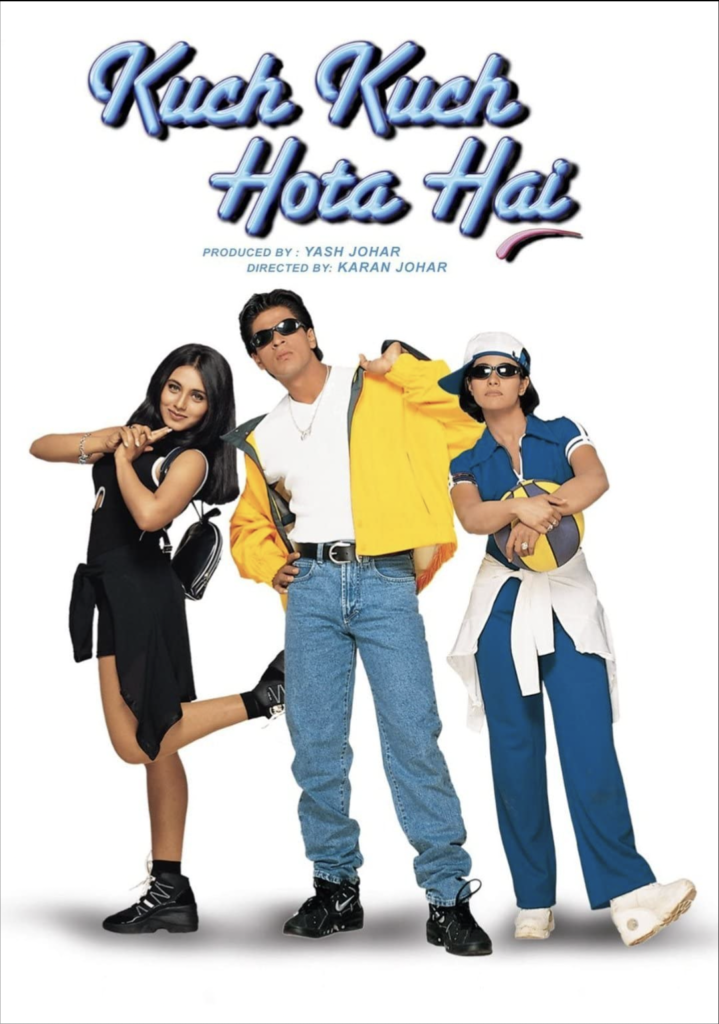
That reminds me of the time when I went to watch Kuch Kuch Hota Hai. There was some buzz of a special appearance around the time of its release but not many knew who the actor was and when to expect it in the film.

I remember sitting in the movie theatre, the film was inching towards the second half and we see it Anjali (Kajol’s) transformation. I was just excited to witness the new avatar of Anjali, but a Kuwaiti girl sitting next to me was beyond stoked with each passing frame.

She literally jumped at her seat, started cheering at the reveal and screamed “Salman KHAAANNNN”. She was so thrilled at that “hero entry”.

I vividly remember that moment because it was the first time I witnessed a non-South Asian thoroughly enjoying a Bollywood film.

Few years later, Kuwait also had its first Bollywood tour where celebrities like Salman khan, Karishma Kapoor and Kashmira Shah amongst other performed. Ahhh, it was magic!!

These days Bollywood films, or should I say South Asian films are mainstream in multiplexes all over the Middle East. So much so, that special promotional strategies are planned specifically for the Middle Eastern audience.

Apart from targeting the Arab and expat audience, there are few other reasons why a lot of films are shot in the Middle East, specifically Dubai.

The city offers several tax incentives for filmmakers including customs exemptions on film equipments and production materials so they can be imported easily, and also tax exemptions on production costs such as equipment rentals, hotel arrangements and even salaries.

Dubai also has a film fund that provides financing for local and international film productions along with state-of-the-art film studios and cost-effective post-production facilities that also helps makers reduce cost.

And needless to say, all this promotes tourism which further benefits the city’s growth.

Did you know there is a Bollywood theme park in Dubai called Bollywood Parks Dubai that features attractions, shows, and rides based on popular Bollywood films and franchises. It was created in partnership with several leading Indian entertainment companies, including Yash Raj Films, Rajshri Productions, and UTV Motion Pictures.

Why do we have intermissions in movie cinema or at theatres?

An intermission, also known as an interval, is a recess typically between two parts of a performances or theatrical production such as for a play, concert, or a film screening.

Here are 6 facts you didn’t know about intermissions:

It’s a comfort break

An intermission is not only for the audience to take a break or stretch their legs, but also for the performers.

In live performances in theatres where actors play various parts including multiple outfits changes, an intermission allows them to take a breather. This can also provide valuable opportunity for stagehands to make any necessary changes to the set or stage before the next act.

“Broadway Bladder”

Intermissions were also known as “Broadway Bladder” due to the “alleged need of Broadway audience to “use the restroom” every 75 minutes” so theatres incorporated breaks. Meaning people can hold on comfortably for up to 75 minutes, post which it’s ideal to take care of any personal needs.

But the purpose of such intermissions was more than just a break in the early days of cinema. That leads me to fact #3.

Reel change

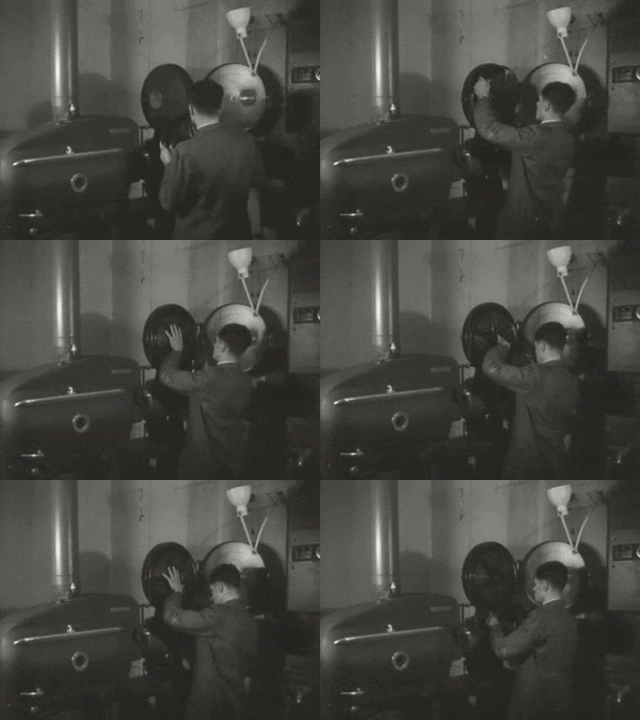
In the pre-digital era, intermission was the time used by projectionist to change reels, that were often presented in multiple acts.

Some movie theatre such as the IMAX, have a longer intermission to allow for the change of reels, as the films are in a 70mm format. Today, intermissions are less common because there’s no requirement of a reel change as most films are shown on a single reel or digital format

Sales

Psychologically, intermissions allow the audience to pause, absorb the experience, and it also grab a snack. Munch on some popcorn and sip on coke. Which is kind of a great marketing tactic by theatres to generate more sales.

Cliff-hanger

Intermissions can be used as a dramatic plot device to build anticipation or suspense for the next act. I think this would be incorporated in the writing stages to ensure the desired reaction in edit.

Personal preference

This kinda depends on the culture and each theatre owners, I guess. Did you know that Bollywood films screened at cinemas in India and United Kingdom commonly include intermissions because they’re typically quite lengthy, But the same films are shown without any pauses in United States and Canada.

https://youtu.be/CX6nTDFe8zM

Here’s a bonus fact

Did you know 1964’s Sangam and 1970’s Mera Naam Joker are two of the lengthiest films in Hindi cinema, and both had not one but two intervals.

‘Allelujah’ celebrates the spirit of the elderly patients. Watch the trailer now

Pathé has launched its trailer for ALLELUJAH which is set to open in cinemas across the UK and Ireland on 17 March 2023. ALLELUJAH is directed by Richard Eyre (Notes on Scandal, Iris) from a screenplay by Heidi Thomas (Call the Midwife, Cranford) based on the stage play by Alan Bennett (The Madness of King George, The Lady in The Van). It is a warm, humorous and deeply moving story about surviving old age.

When the geriatric ward in a small Yorkshire hospital is threatened with closure, the hospital decides to fight back by galvanizing the local community: they invite a news crew to film their preparations for a concert in honour of the hospital’s most distinguished nurse. ALLELUJAH celebrates the spirit of the elderly patients whilst paying tribute to the deep humanity of the medical staff battling with limited resources and ever-growing demand. 
 
The film features a powerhouse cast led by Jennifer Saunders (Absolutely Fabulous) and newcomer Bally Gill, supported by Judi Dench (Notes on A Scandal, Iris), Derek Jacobi (I ClaudiusFrasier), David Bradley (Harry Potter, Game of Thrones), Russell Tovey (The History Boys) and Julia McKenzie (Cranford, Marple).

ALLELUJAH is produced by Kevin Loader (The Lady in The Van, The Personal History Of David Copperfield, The Death Of Stalin) and Damian Jones (The Lady In The Van, Belle, Absolutely Fabulous The Movie, The Iron Lady). Eyre’s creative team includes Director of Photography, Ben Smithard (The Father, Downton Abbey); Costume Designer, Jacqueline Durran (Little Women, Darkest Hour); Hair and Make-up Designer, Naomi Donne (1917, Skyfall); Production Designer, Donal Woods (Downton Abbey, My Week With Marilyn); and Composer, George Fenton (The Duke, The Lady In The Van).

‘Pathaan’ is a testament of Shah Rukh Khan’s bulletproof, troll-proof megastardom

July 2019, almost 8 months past the release of Zero, Shah Rukh Khan’s last cinematic outing, under an umbrella diverting drizzle trickles, I sat and gave life a thought. A practice I’ve been following since the day I moved to the city. Whenever life seemed low and hope bleak, I looked up to the mansion aptly named Mannat and realised – if he could withstand so much, why can’t I?

That’s a brief worldview of a Shah Rukh Khan fan and to what the man means to his limitless legion. Beyond the realms of stardom, affixed in the heart is Shah Rukh Khan.

A man who seems close and personal to countless beating hearts. The loverboy for lasses and the unofficial elder brother of a generation of lads.

Pathaan arrives at a very intriguing and transformative phase for the Hindi film industry.

Bogged by a ravaging pandemic and dawn of an evolved public taste, the Hindi film industry seemed in a self-designed state of creative flux; an unavoidable saturation tip.

An offshoot of several interesting variables, Pathaan luckily coincides the combination of a returning hero and a trembling industry.

Storied predicament for a gung-ho comeback and deafening hurrah. Sprinkle atop the dated and needless socio-political malarkey, and you’ve irked legions of diehards and general masses who consider this man the face of Indian middle-class.

What you now have on the table is an event that has outgrown its own confines and snowballed into a moolah monster.

Driven by its strong emotional and compassionate precedence, watching Pathaan is both an outing and a moral objective in the parlance of sentimental favouritism. An emotional duty to rally someone all the way through. A scenario that affords this offering multiple licenses and free hits aplenty.

Right off the bat, the stage is set for mass jubilation and exhilaration.

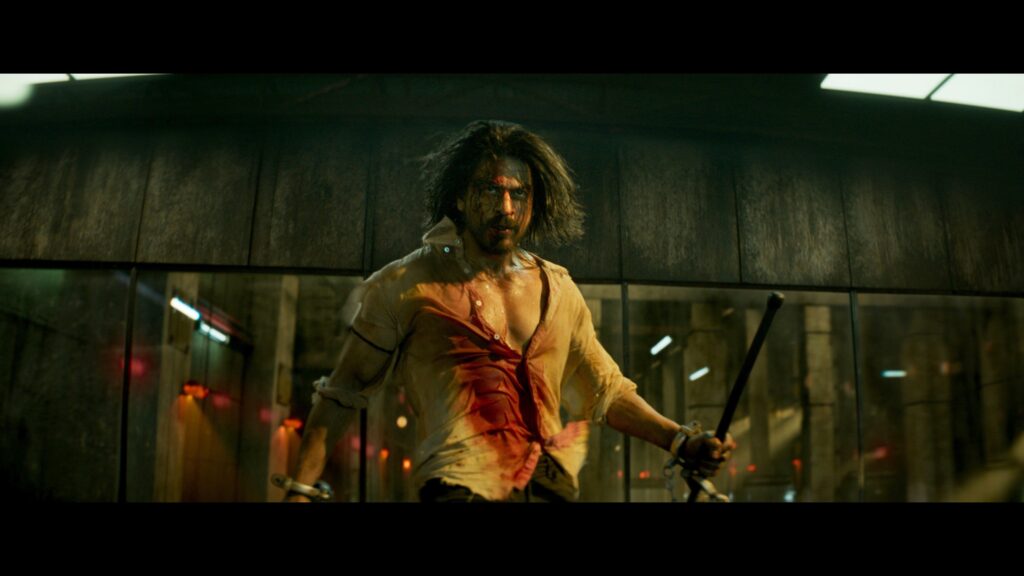
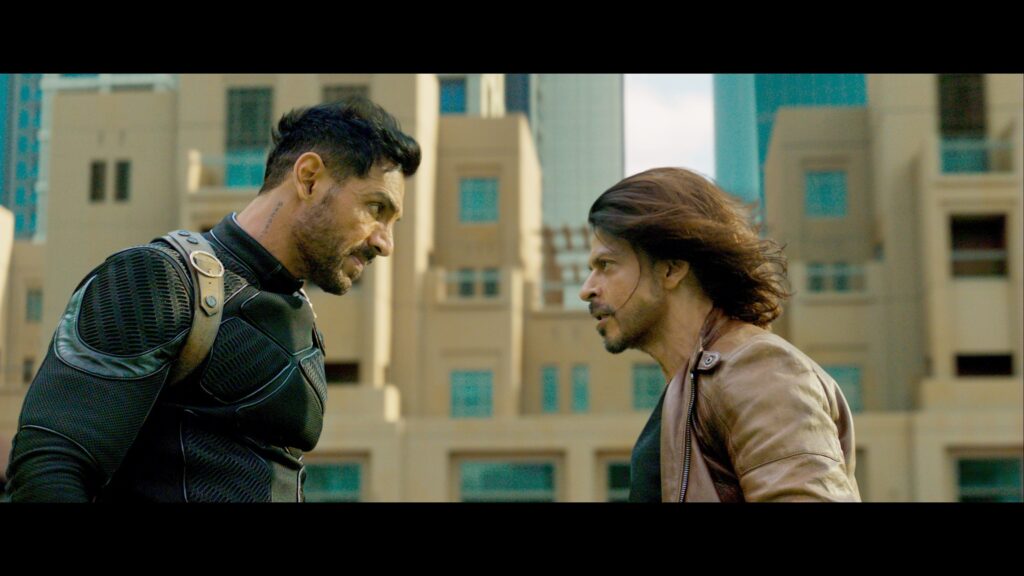
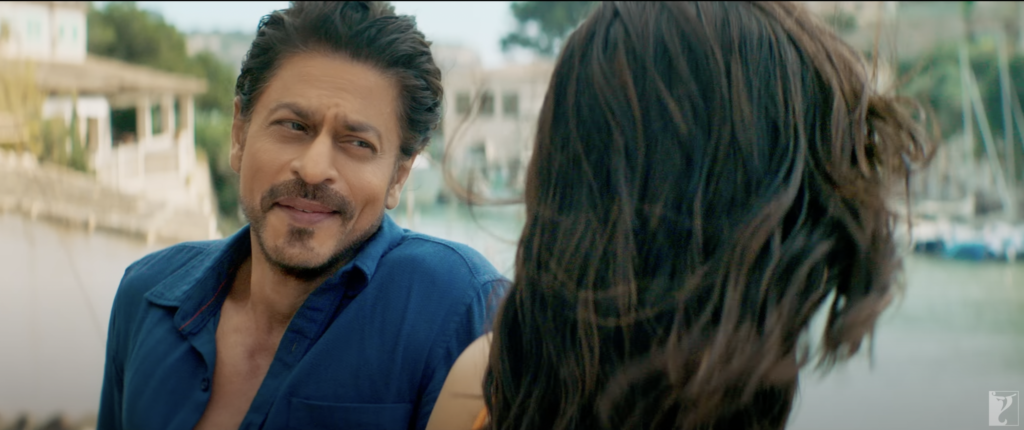
A terrific entry sequence tailor-fit for Khan unpacks the film with a crescendo. At 57, he moves like an army tank with a Ferrari engine.

As the mob around me erupted into a frenzy, the motif and resultant dividends seemed at even. The people had their SRK’s back.

What followed immediately was a pertinent question – how is Siddharth Anand going to platter the film once the absence novelty wears off? What awaits beyond this? The narrative soon followed suit.

A spy thriller revolving around an exiled agent, a former agent gone rogue and an ISI turncoat, Pathaan lacks the first movers advantage.

Some sequences are highly reminiscent of previous films on covert campaigners, not for they are lifted or uninspired. But the creative and political liberties are as such that the room for a novel, bold voice is pretty narrow.

Another bump in the road is this film’s production timeline. Made through the lockdowns, the visual effects of Pathaan are off radar. While combat action is slick as hell and grounded, the arial setpieces look tacky and obliviously amateurish.

One particular scene set in Dubai ends like a bad 2D sketch. But given that the film has been readied in Veera Desai under testing, damning global conditions, Pathaan’s VFX can be given the benefit of doubt. However, it is a bummer, nonetheless.

Being an origin story also hampers certain facets of the film. The narrative hops from character-driven to plot-driven telling at free will because a lot, and I mean a lot is being attempted to fit into one movie.

The classic case of too much too soon allows the makers to juice in too many elements without satisfactory payoff.

How a fugitive roams around without stealth, a Judas-like betrayer succeeds in restoring faith in Pathaan’s heart and certain other elements are put in minus any credence for emotional investment.

But the nature of this project saves Pathaan from any sort of conclusive statement, for you never know how or if the dots get connected in the next instalments.

The sole strong feedback or criticism for the film is how the character of Rubai, played by Deepika Padukone, was handled. Not enough authorback or meat for a character that had a world of possibilities and potential to be a disruptive female character.

Her best bits are mostly in quick cuts or motion capture. While the flirtatious track with Pathaan is good for chuckles and winks, there is not much to dabble for an actor as evolved as her.

Please give us a firebrand, relentless female character that can seek beyond affection.

A very underrated and seamless portion of this film is John Abraham’s physical transformation. Looking incredibly agile and light, it is in the scenes of agony and haplessness that John thrives and extracts his best, beyond the suave and sinister Jim.

Seemingly ten years younger, Abraham has mastered the cool-bad guy act. From Dhoom to Pathaan, this is his full circle.

Shah Rukh Khan. Dennis the menace. Always upto some twisted ploy. Judging simply by the number of surgeries this man has undergone, he shouldn’t be able to do the kind of stuff he’s pulled off in this film.

While billing Pathaan as his first full blown actioner, Khan has always had the gifts of a top notch action star, teased in films like Don 2, Main Hoon Na, Baazigar and even Fan.

His performance as Pathaan won’t extend his trophy cabinet in any capacity but it’s a demonstration of his love for the craft and extents he’d go to for the audiences.

The “king of romance” was already the uncrowned master of thrills. Pathaan just certifies it.

An interesting observation though would be the absence of his signature mannerism. Barring the inimitable gait, this is a performer gradually letting go of his tested moveset and trying a free hand.

Even though the baritone sounded like SRK had swallowed an Audi R8 engine for lunch, the sass and panache add up to the hullabaloo around this central character.

Courtesy overpopulation of subplots and secondary characters, the story is incoherent and heavily reliant on showboating and pageantry. And as mentioned above in this article, what preceded the release of Pathaan, sealed the fortunate fate of Pathaan.

This is Siddharth Anand’s biggest spectacle but by no means a superlative one.

In entertainment business jargons, often marquee names are termed ‘draws’. Shah Rukh Khan is the biggest draw in the eastern hemisphere (probably in the world). Pathaan is a testament of his bulletproof, troll-proof megastardom.

An ironclad cash grab, the film shouldered by legions of his fanatics and masses alike, will bulldoze the box office and there’s not much anyone can do about it.

This is what transpires when you make a home in hearts. This is what true hype smells like. This, in its most brazen form, is “mega stardom” – An intangible asset, just the antidote necessary to revive the industry back to it’s feet.

And, as I conclude writing this piece, I’ll head to Bandstand, sit on the parapet facing Mannat and absorb the calm gone amiss for nearly 5 years.

Kyonki phir se yeh mahaul…  zinda hai!

5 Habits at the movie theatre that have become rituals

I have a ritual that I follow when I go to the cinema. And I don’t like it any other way.

Here are 5 of my habits at the movie theatre:

Arrive early

There are two reasons for this.

First is because I must find my seat, get comfortable and watch the previews. I love watching the previews. I don’t care if they’re random brand ads or trailers of upcoming releases. I do not like missing previews before the film.

Second reason is so I have enough time to go to the washroom: This is just so I can peacefully enjoy the movie experience without having to feel uncomfortable during the screening or having to rush during the interval.

Check my phone

Once I am on my seat, I check my phone for any important messages or notifications before the film begins. Mostly, there isn’t any (haha) and then I’m fully disconnected. My phone’s on silent and it’s in my purse. I will not touch it till the film ends.

Go alone

I haven’t done this in a while, but I absolutely love going alone to the cinemas, and that’s primarily because I don’t like speaking or be spoken to when I am watching a film. It’s one of my pet-peeves. Oh, and I will shush anyone else talking or disrupting the experience during the viewing.

Trip to the concession stand

Typically, I avoid buying popcorn or drinks at the start of the screening because I end up finishing them before the film even begins. So, I keep it for the intermission.

Stay until the end credits:

Sometimes makers will insert bonus scenes while the end credit roll to mess with the audience. I love catching those. But there are 2 more reasons why I like to stay till there’s a complete blackout … and I’ve shared this in a previously:

Firstly, it’s a way to network and find the right people who’ve worked on the film.

Ans second, most important reason for staying till the end credits is simply out of respect for the hard work of everyone involved in making a film.

Here’s a fun fact:

DID YOU KNOW – This concept of intermissions was earlier known as “Broadway Bladder” due to the “alleged need of Broadway audience to “use the restroom” every 75 minutes” so theatres incorporated these breaks.

Psychologically, intermissions also allow audience to pause, absorb the experience of the film, and it also gives theatres an opportunity to make more money. Basically, I’m their perfect target audience who uses intermissions as an excuse to buy over-priced snacks and spend more money.

Pathaan’s Unconventional Promotions – When The Artist Is Bigger Than The Art

Ever thought about what it’s like when the artist is bigger than the art.

That seems to be the case for Pathaan.

Shah Rukh Khan, King Khan is returning to the big screen in a lead role after 4 years… and a lot has happened in that time. In reel and his real life.

But his stardom hasn’t diminished.

YRF opted for a slightly unconventional promotion by launching the film’s trailer just days before its release, and I must say – it’s a slick trailer.

My point is, Pathaan is the perfect example of an artist being bigger than the art.

While the trailer is fabulous, but it does seem like something we’ve seen before.

An exiled spy who’s brought back to fight a highly destructive secret operation, an extremely gorgeous and flawless female lead fighting and dancing effortlessly, and an intensely cunning villain.

Sound familiar? Surely, yes!

But even then the hype around Pathaan is buzzing worldwide, with the most minimal film promotions of a teaser launch, 2 song launches, and 15 days advance booking overseas, and no pre-release interviews.

Why? – Because the artist is bigger than the art.

Shahrukh Khan’s stardom, reputation and influence are far greater than the film, which is what will pull the crowds. I think we are more excited to revel in the nostalgia of seeing a super star like him perform and witness the impact of The Shahrukh Khan again.

Dare I say, at this point, whether the film offers a fresh and unique story is almost secondary.

And I’m sure a lot of people will argue against it because art, stories, and characters are what makes an artist. It’s the foundation they’re built on. But creative beings like Shah Rukh Khan bring communities together with joy, interaction, inspiration, and entertainment.

‘Vivesini’ starring actor Nassar to show at the Harrow Arts Centre for Tamil Heritage Month

Marking Tamil Heritage Month with film, ReelN curated film Vivesini will be shown at two UK venues,
namely Harrow Arts Centre and Arc, Stockton Arts Centre – attracting audiences from both London,
Teesside and the surrounding areas.

Tamil Heritage month takes place throughout the month of January to coincide with Thai Pongal,
the Tamil Harvest Festival. Vivesini, will be shown at Harrow Arts Centre as part of their wider Tamil
Heritage Month programme consisting of a month-long art exhibition, cultural performances, and a
Pongal feast. Celebrations will continue close by at the Headstone Manor & Museum, a programme
co-curated with the Harrow Tamil School. A further two screenings of Vivesini will take place at Arc,
Stockton Arts Centre, a venue that has been committed in developing its South Asian programme
with both independent and mainstream films.

Described as a new and important rationalist film, Vivesini, sheds light on a number of social issues
whilst keeping audiences captivated in the thrilling narrative. The film’s apt title Vivesini is the Tamil
word for ‘thinker’ or ‘enquirer’ and guides not just the characters of the film but audiences alike on a
journey of educational self-discovery, emphasising the importance of relationships, science, nature
but most of all evolution.

Written and directed by Chennai based Bhavan Rajagopalan and starring acclaimed actor Nassar, who has delivered a fantastic performance alongside actors Vanessa Stevenson, Kavya and Suraj, the film has already triggered much worldwide discussion amongst both the academic, political and film community.

Three individuals from Chennai, London and New York are connected through an encounter
with a ‘spirit’ from the enlightenment era. Shakthi, the protagonist, treks into a forbidden forest and witnesses a series of inexplicable events that seem to haunt both the forest and
her mind. Her quest for an explanation accidentally triggers a social awakening.

The film has an age rating of 15 and is in Tamil and English language with English subtitles.
Vivesini has not yet had a theatrical release in the UK and audiences here will be the first to watch
and review the film.

Tickets to the screening events are available via the venue websites:

https://harrowarts.com/whats-on/event/vivesini
https://arconline.co.uk/whats-on/vivesini-15/

Varun Dhawan to Headline Prime Video’s Indian Series within the ‘Citadel’ Franchise

Prime Video confirms that the Indian instalment of Citadel will start filming in January 2023

Prime Video today confirmed the lead talent of the Indian instalment of the Citadel universe, the first of its kind global-event series from Prime Video and the Russo Brothers’ AGBO. The untitled Citadel series based out of India will be led by renowned creator duo Raj & DK (Raj Nidimoru and Krishna DK), who are the show-runners, directors of the series, and will feature Varun Dhawan in the lead role.

Written by Sita R. Menon along with Raj & DK, the local Original spy series, which starts filming in January 2023, will mark Dhawan’s streaming debut. More exciting details on the cast and crew of the series will be announced soon. The untitled Indian Original Citadel series will be available to Prime members in more than 240 countries and territories worldwide.

As previously announced, Richard Madden (Bodyguard) and Priyanka Chopra Jonas (Quantico) will star in the first-to-launch series within the Citadel universe, which comes from the Russo Brothers’ AGBO along with David Weil (Hunters) and is set to premiere in 2023.

Alongside Richard Madden and Priyanka Chopra Jonas, the first-to-launch Citadel series will also feature Stanley Tucci (The Hunger Games saga). Additional local-language Citadel productions are also in the works, including an Italian Original series starring Matilda De Angelis (The Undoing). 

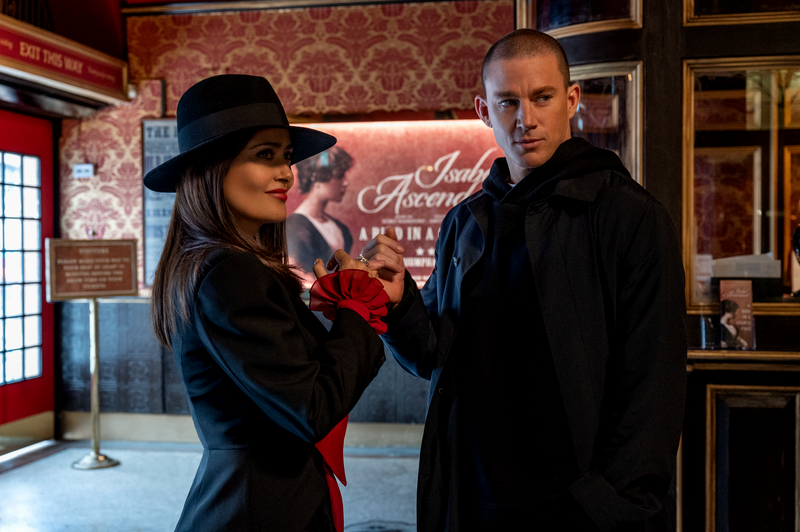
Image Source: PageSix.com

“The Citadel universe from the Russo Brothers’ AGBO is a truly innovative and ambitious approach to storytelling, and we are super excited to begin production on the Indian chapter. With this project, we are building on our mission of borderless entertainment to produce local Original content that can be enjoyed by audiences across the world. 

Citadel is a truly global franchise, with local productions, across countries, that build back to an inter-connected storyline—a first-of-its-kind innovation in storytelling,” said Gaurav Gandhi, vice president, Prime Video India. “We are delighted to have Varun Dhawan play the lead in this super exciting Indian instalment of the franchise.

With Raj and DK at the helm of creating this action-packed spy series, and Varun playing the lead, we believe the Citadel India chapter will not just raise the bar in terms of Original productions in India, it will also bring global attention to India’s incredible pool of creators and talent. We can’t wait to share it with our audience in India and around the world.”

“The Indian instalment of the distinctive and scintillating Citadel universe is amongst our most exciting projects, and collaborating with the Russo Brothers’ AGBO has truly been a thrilling opportunity.

Having Varun make his streaming debut and headline this Prime Video series is a matter of great pride for us,” said Aparna Purohit, head of India originals, Prime Video. “After the phenomenal success of The Family Man, working with Raj & DK on this project feels like we’re further cementing our creative partnership. We are certain that with this series, we will push the envelope several notches higher and present a truly immersive experience to our viewers.”

“We are thrilled to see yet another production within the Citadel universe commencing, this time in India. We, and all of AGBO, consider it an honor to be collaborating with filmmakers as inspiring as DK and Raj, who bring a unique vision, style, and tone to our collection of global series. And, we can’t wait to see how this remarkable cast brings their and Sita’s imaginative characters to life,” said executive producers, Anthony and Joe Russo.

“We are super excited to be a part of this global event series envisioned by the Russo Brothers, two very inspiring filmmakers and creators; along with our long-time partners Prime Video! We are especially looking forward to working with the versatile and dynamic Varun,” said creator duo Raj & DK. “We’ve worked very hard collaborating with the other international teams to bring a unique interwoven universe to our audiences.

Along with a sparkling cast, we hope to push the boundaries of storytelling with Citadel India. Stay tuned for the next announcement!”

Speaking on his streaming debut with Prime Video’s untitled Citadel series out of India, Varun Dhawan said, “Prime Video is like home to me, and I am thrilled to begin this journey in the streaming space with them. Citadel is an exceptionally ambitious and exciting franchise, and to be part of this magnificent universe, conceptualised by the Russo Brothers’ AGBO and Jennifer Salke, is a landmark moment in my career. I have been a big fan of their work and I am beyond thrilled to be a part of this project, and can’t wait to start shooting it. The storyline of the Indian Citadel chapter is fantastic, and when you have creators like Raj & DK on board, one can be certain that a spectacle is in the making.”

Raj Nidimoru and Krishna DK under their banner D2R Films will also serve as executive producers. The series is produced by D2R Films, and Amazon Studios, with AGBO’s Anthony Russo, Joe Russo, Mike Larocca, Angela Russo-Otstot, Scott Nemes, and David Weil (Hunters) overseeing production on the Indian Original and all series within the global Citadel universe. Josh Applebaum, André Nemec, Jeff Pinkner, and Scott Rosenberg serve as executive producers for Midnight Radio on the untitled Indian Original and all series within the global Citadel universe.