Marking Tamil Heritage Month with film, ReelN curated film Vivesini will be shown at two UK venues, namely Harrow Arts Centre and Arc, Stockton Arts Centre – attracting audiences from both London, Teesside and the surrounding areas.
Tamil Heritage month takes place throughout the month of January to coincide with Thai Pongal, the Tamil Harvest Festival. Vivesini, will be shown at Harrow Arts Centre as part of their wider Tamil Heritage Month programme consisting of a month-long art exhibition, cultural performances, and a Pongal feast. Celebrations will continue close by at the Headstone Manor & Museum, a programme co-curated with the Harrow Tamil School. A further two screenings of Vivesini will take place at Arc, Stockton Arts Centre, a venue that has been committed in developing its South Asian programme with both independent and mainstream films.
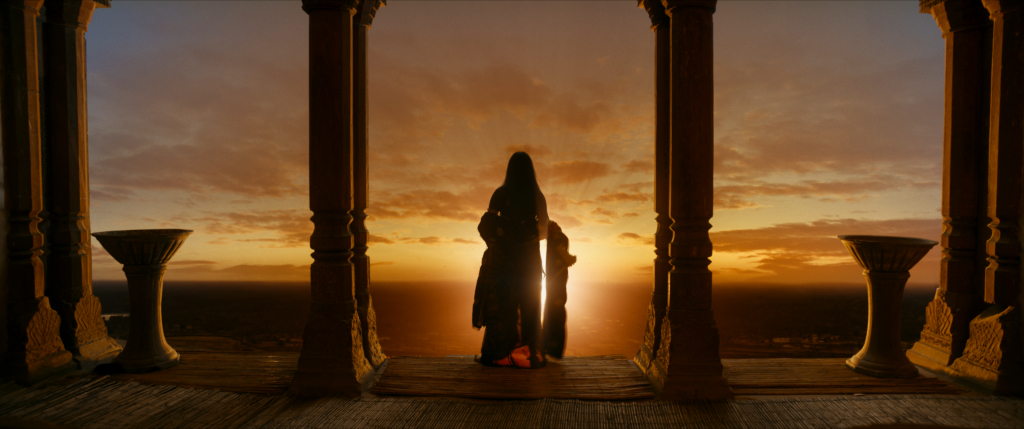
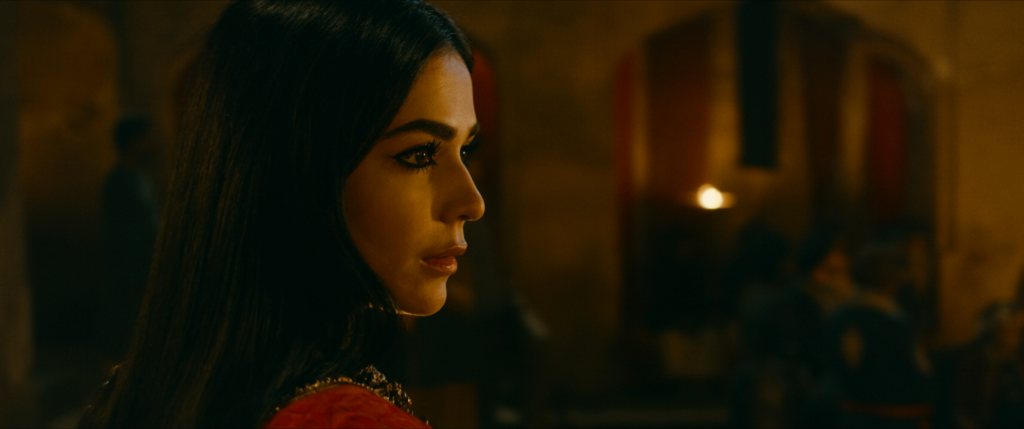
Described as a new and important rationalist film, Vivesini, sheds light on a number of social issues whilst keeping audiences captivated in the thrilling narrative. The film’s apt title Vivesini is the Tamil word for ‘thinker’ or ‘enquirer’ and guides not just the characters of the film but audiences alike on a journey of educational self-discovery, emphasising the importance of relationships, science, nature but most of all evolution.
Written and directed by Chennai based Bhavan Rajagopalan and starring acclaimed actor Nassar, who has delivered a fantastic performance alongside actors Vanessa Stevenson, Kavya and Suraj, the film has already triggered much worldwide discussion amongst both the academic, political and film community.
Three individuals from Chennai, London and New York are connected through an encounter with a ‘spirit’ from the enlightenment era. Shakthi, the protagonist, treks into a forbidden forest and witnesses a series of inexplicable events that seem to haunt both the forest and her mind. Her quest for an explanation accidentally triggers a social awakening.
The film has an age rating of 15 and is in Tamil and English language with English subtitles. Vivesini has not yet had a theatrical release in the UK and audiences here will be the first to watch and review the film.
Tickets to the screening events are available via the venue websites:
Prime Video confirms that the Indian instalment of Citadel will start filming in January 2023
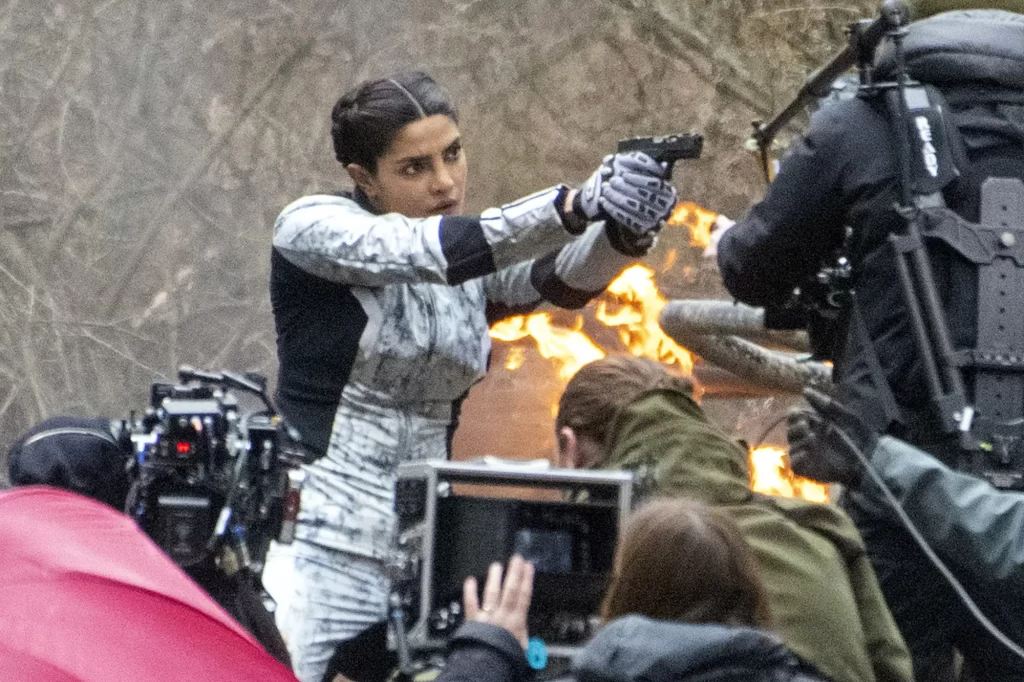
Prime Video today confirmed the lead talent of the Indian instalment of the Citadel universe, the first of its kind global-event series from Prime Video and the Russo Brothers’ AGBO. The untitled Citadel series based out of India will be led by renowned creator duo Raj & DK (Raj Nidimoru and Krishna DK), who are the show-runners, directors of the series, and will feature Varun Dhawanin the lead role.
Written by Sita R. Menon along with Raj & DK, the local Original spy series, which starts filming in January 2023, will mark Dhawan’s streaming debut. More exciting details on the cast and crew of the series will be announced soon. The untitled Indian Original Citadel serieswill be available to Prime members in more than 240 countries and territories worldwide.
As previously announced, Richard Madden (Bodyguard) and Priyanka Chopra Jonas (Quantico) will star in the first-to-launch series within the Citadel universe, which comes from the Russo Brothers’ AGBO along with David Weil (Hunters) and is set to premiere in 2023.
Alongside Richard Madden and Priyanka Chopra Jonas, the first-to-launch Citadel series will also feature Stanley Tucci (The Hunger Games saga). Additional local-language Citadel productions are also in the works, including an Italian Original series starring Matilda De Angelis (The Undoing).
“The Citadel universe from the Russo Brothers’ AGBO is a truly innovative and ambitious approach to storytelling, and we are super excited to begin production on the Indian chapter. With this project, we are building on our mission of borderless entertainment to produce local Original content that can be enjoyed by audiences across the world.
Citadel is a truly global franchise, with local productions, across countries, that build back to an inter-connected storyline—a first-of-its-kind innovation in storytelling,” said Gaurav Gandhi, vice president, Prime Video India. “We are delighted to have Varun Dhawan play the lead in this super exciting Indian instalment of the franchise.
With Raj and DK at the helm of creating this action-packed spy series, and Varun playing the lead, we believe the Citadel India chapter will not just raise the bar in terms of Original productions in India, it will also bring global attention to India’s incredible pool of creators and talent. We can’t wait to share it with our audience in India and around the world.”
“The Indian instalment of the distinctive and scintillating Citadel universe is amongst our most exciting projects, and collaborating with the Russo Brothers’ AGBO has truly been a thrilling opportunity.
Having Varun make his streaming debut and headline this Prime Video series is a matter of great pride for us,” said Aparna Purohit, head of India originals, Prime Video. “After the phenomenal success of The Family Man, working with Raj & DK on this project feels like we’re further cementing our creative partnership. We are certain that with this series, we will push the envelope several notches higher and present a truly immersive experience to our viewers.”
“We are thrilled to see yet another production within the Citadel universe commencing, this time in India. We, and all of AGBO, consider it an honor to be collaborating with filmmakers as inspiring as DK and Raj, who bring a unique vision, style, and tone to our collection of global series. And, we can’t wait to see how this remarkable cast brings their and Sita’s imaginative characters to life,” said executive producers, Anthony and Joe Russo.
“We are super excited to be a part of this global event series envisioned by the Russo Brothers, two very inspiring filmmakers and creators; along with our long-time partners Prime Video! We are especially looking forward to working with the versatile and dynamic Varun,” said creator duo Raj & DK. “We’ve worked very hard collaborating with the other international teams to bring a unique interwoven universe to our audiences.
Along with a sparkling cast, we hope to push the boundaries of storytelling with Citadel India. Stay tuned for the next announcement!”
Speaking on his streaming debut with Prime Video’s untitled Citadel series out of India, Varun Dhawan said, “Prime Video is like home to me, and I am thrilled to begin this journey in the streaming space with them. Citadel is an exceptionally ambitious and exciting franchise, and to be part of this magnificent universe, conceptualised by the Russo Brothers’ AGBO and Jennifer Salke, is a landmark moment in my career. I have been a big fan of their work and I am beyond thrilled to be a part of this project, and can’t wait to start shooting it. The storyline of the Indian Citadel chapter is fantastic, and when you have creators like Raj & DK on board, one can be certain that a spectacle is in the making.”
Raj Nidimoru and Krishna DK under their banner D2R Films will also serve as executive producers. The series is produced by D2R Films, and Amazon Studios, with AGBO’s Anthony Russo, Joe Russo, Mike Larocca, Angela Russo-Otstot, Scott Nemes, and David Weil (Hunters) overseeing production on the Indian Original and all series within the global Citadel universe. Josh Applebaum, André Nemec, Jeff Pinkner, and Scott Rosenberg serve as executive producers for Midnight Radio on the untitled Indian Original and all series within the global Citadel universe.
Producer Aditya Chopra and director Siddharth Anand unveiled the first song of Pathaan, Besharam Rang, on Monday that has broken the internet! Shilpa Rao, who has play-backed the song for the ethereally gorgeous Deepika Padukone, says the song is addictive because of how Deepika is looking in it!
Shilpa who has sung many blockbuster hits for Deepika like Subhanallah and Khuda Jaane says, ”Deepika is a whole vibe in Besharam Rang and the track is addictive because of her! I have many sung many songs for Deepika but some have been of romance, some have been of falling in love, some have been of finding your true self, but this one is very different. This one is where she is confident in her own skin, she’s like taking on the world as brilliant as she is and she (her character in the film) is in fact embracing her good and the flaws that she has!”
The talented singer adds, “Deepika is saying that this is what I have to offer to the whole world and I think that is what I love about the song. Many women across the world need to feel really confident in their skin, no matter where we come from. We need to embrace our goodness with the flaws and really celebrate ourselves and that is what I love about Besharam Rang and really hope the audiences love it. Have a blast listening to it guys.”
The song features a sizzling Deepika with Shah Rukh Khan, who plays a gun-toting spy with a license to kill in Pathaan.
Both are looking their hottest and fittest best as Deepika flaunts her hot bod in bikinis and SRK – a perfectly chiselled eight pack! Besharam Rang was shot in Spain’s most gorgeous coastal towns Mallorca, Cadiz and Jerez.
SRK and Deepika are one of the biggest on-screen pairings in the history of Indian cinema given their epic blockbusters Om Shanti Om, Chennai Express and Happy New Year.
Pathaan is India’s biggest ever action spectacle for audiences. The visually spectacular Yash Raj Films’ action extravaganza, Pathaan, is part of Aditya Chopra’s ambitious spy universe and has the biggest superstars of the country Shah Rukh Khan, Deepika Padukone and John Abraham in it.
The adrenaline pumping, visually extravagant film is set to release on Jan 25, 2023 in Hindi, Tamil and Telugu.
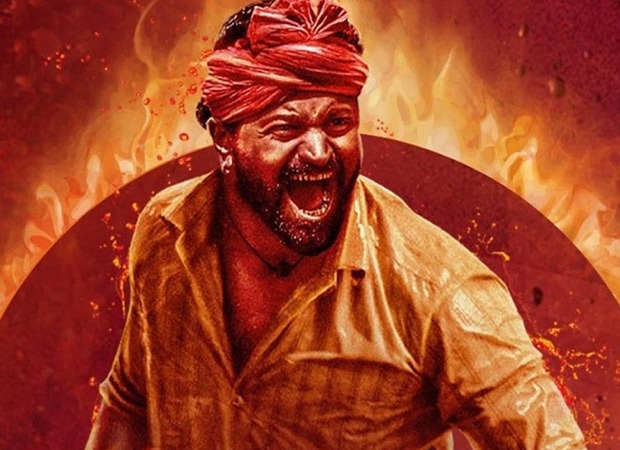
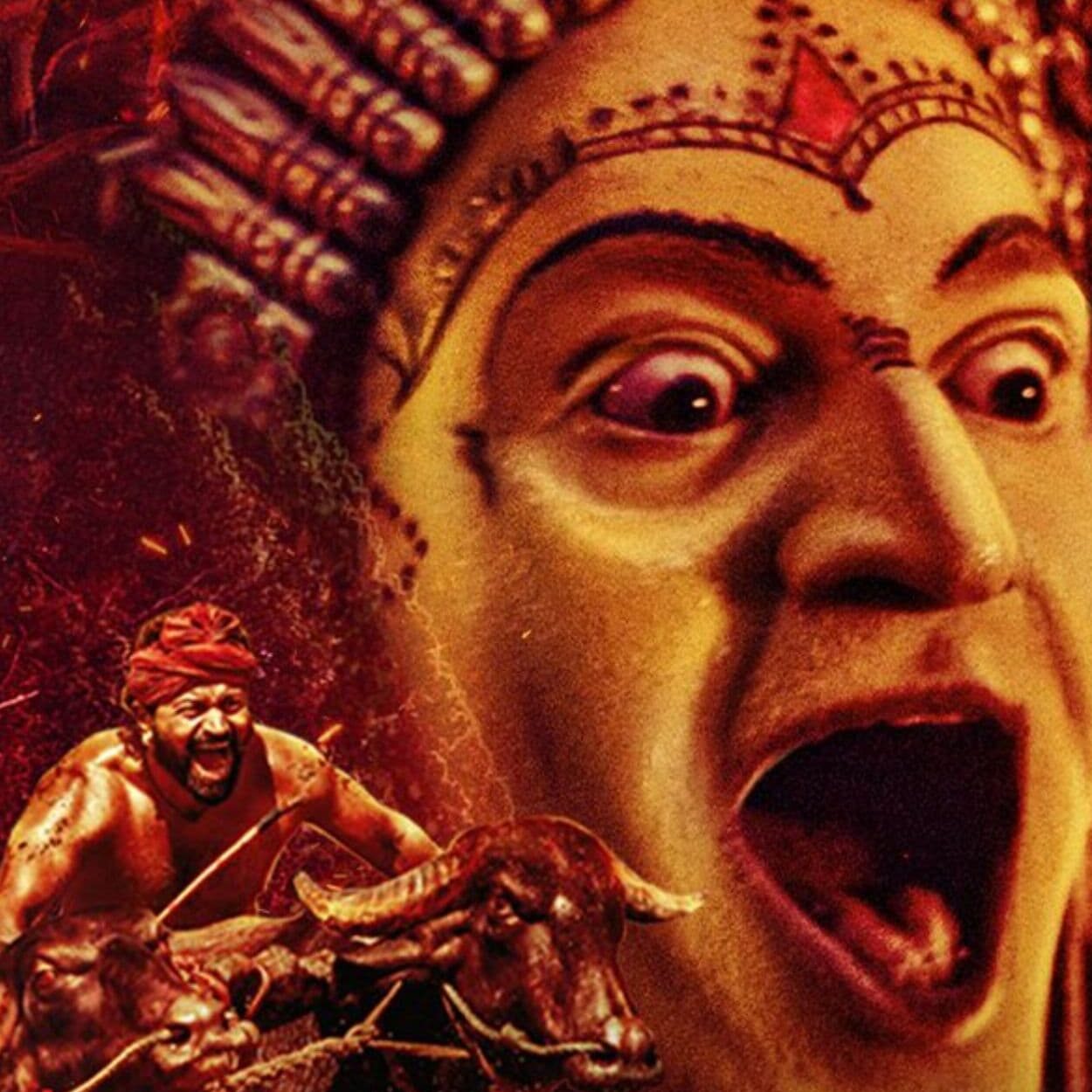
Apart from the last 10-12 minutes of Kantara that are quite overwhelming, there’s another sequence that left a strong impression on me. And that’s what I want to talk about today.
PS- spoilers ahead !
I recently watched Kantara and had a lot of emotions. But so much has already been said about the film and I don’t think I have anything new to add to that.
However, there’s one portion of the film that exemplify sheer brilliance of writer-director Rishab Shetty, his knowledge of the subject and how he subtly encourages the audience to use their imagination with exceptional visual storytelling.
Before I proceed, keep this in mind that our protagonist’s name is Shiva.
The sequence in the second half, after Shiva finds out about his cousin Guruva’s murder and goes to his friend’s shop to get high. He talks to the blacksmith while smoking up and just then is attacked by landlord Devendra’s henchmen.
This fight sequence is what had my attention.
Shiva’s senses are so heightened that he fights off a dozen men in a very skilfully choreographed brawl. Every punch, kick and blow are performed with tremendous finesse and proficiency, but with equal amount of monstrous rage and aggression.
It all plays out almost like a dance – like Tandav.
Shiva was performing Rudra Tandav, which is a form of Tandav performed in a violent and destructive state.
But that’s not all.
Another element that symbolizes the fierce and destructive nature of Rudra Tandav is thunder and lightning. Shiva fights the henchmen whilst a thunderstorm arose.
The rain was also use as a symbol to “cleanse” Shiva off his sins.
And in the last 10 minutes, we see Shiva perform another type of Tandav at the Bhoota Kola – Anand Tandav – The dance of bliss where Shiva emerges in his purest form and experiences transcendence.
You can watch Kantara on Prime video in, Kannada, Telugu, Tamil, and Malayalam and on Netflix in Hindi. Andread the full review of the film here.
The best jokes are often the ones not intended for laughter.
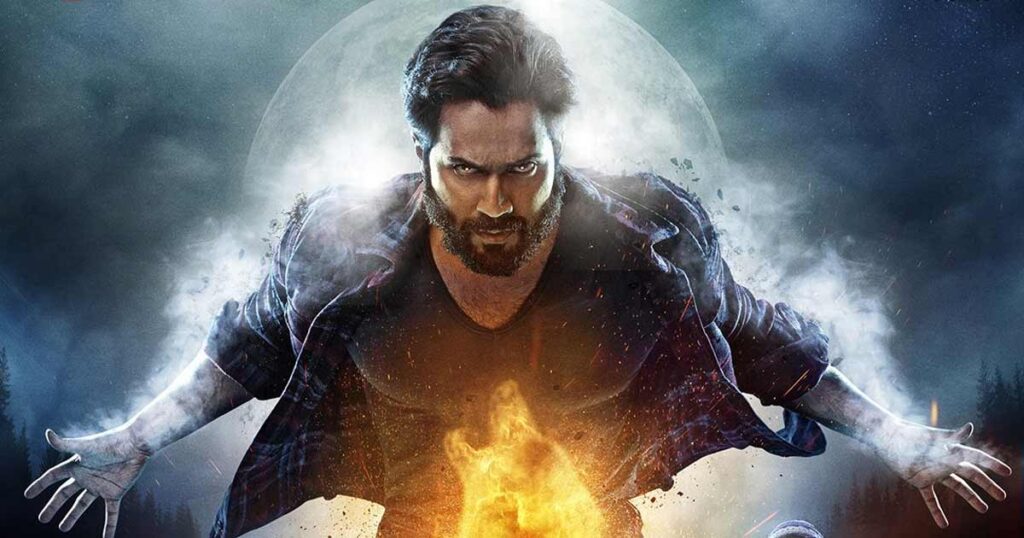
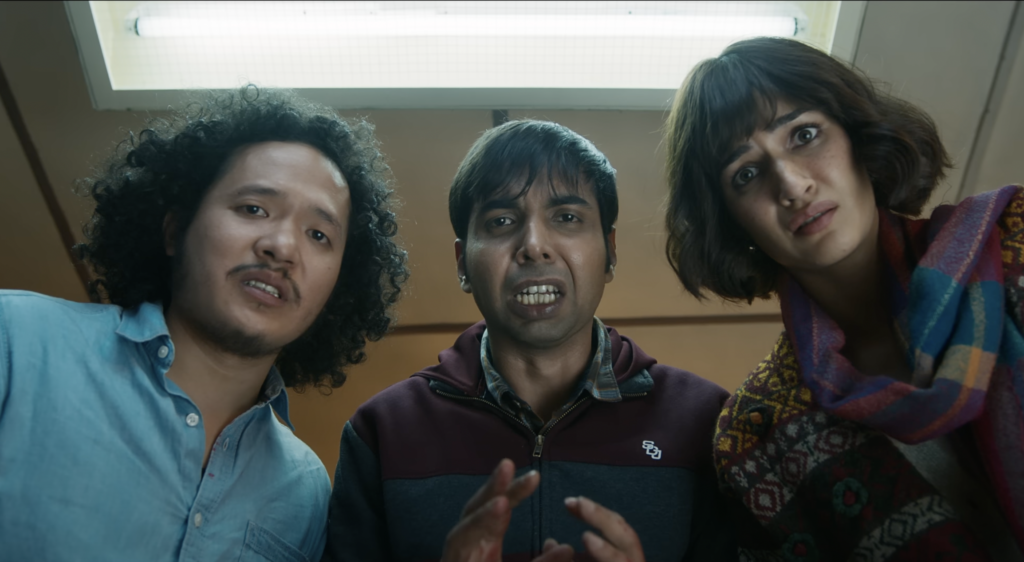
Bhediya is an imaginative triumph. And the source code of its success resides in the jocular belief system. The film doesn’t take itself seriously and that turns into a gift that keeps on giving.
From a bird’s-eye view, Bhediya is an environment satire wrapped in the horror comedy foil.
A realist conflict perched atop fantastical aftermaths, the film carries an outlook which doesn’t aim to reform or demonise the society, but rather cartoonise it.
Racist humor, insensitivity and feudalism are ingrained in each characters vices – what you choose to chuckle at slyly reflects the bias programmed within. Romance, thankfully is minimal and low-key, allowing the hilarity to gallop.
Bhediya oscillates between being a character-driven film to a plot-driven tale like a hypnotist’s chain. The film swaps cues from characters to plot wherever dullness tends to lurk.
You’re always invested, infested by either grossing out at snarky-shot excreta or a tail wagging CGI standout. You’re in for the ride and it doesn’t disappoint.
Amar Kaushik’s comedies are of the wisecrack sort. It comes from a space of self assurance. The more secure a person you are, the better shall be your self-deprecating humor.
Bhediya claims pride at finger-poking itself and owning it’s shortcomings. Plot devices done to death or tropes trembling on the crutches of time, Bhediya takes jibes at its own creative limitations and not just addresses the elephant in the room, but trains it to dance.
Most crucially, Bhediya gets its inherent politics right.
No ass-pleasing or detesting accompany the narrative. The film mocks the universe equally. The film also doesn’t suffer from the savior syndrome that recent films have been plagued with, whenever the premise is set in Northeast of India.
The North Easterners here are smart, tuned in and most importantly normal life an Indian should be. Neither war torn survivors nor chilled out Hillbillies, Arunachalis in this film, led by the seamless performance of Paalin Kabak are finally somewhat geographically and culturally appropriate. Yet, there’s long way to go and understand that Northeastern hill rangers aren’t as poverty-stricken as mainland stigma imagines them to be.
Which leads us to the serious stuff in the film – the conflict.
Tum karo pedon se pyaar toh amrit barsega. The very idea of a deforestation story placed in Arunachal Pradesh is generic. The foundation lacks inventiveness and the consequent world building is also pretty sketchy in the film.
The practical portions of the film are half-baked and not well researched. Perhaps, a better study of the roadway politics and mafia could’ve rendered the film sufficient more plot points and arcs but that’s a story for another day, another film probably.
This whole clunky fray seems passable for the film, as mentioned, isn’t here to prove a point but screw around with it. The journey isn’t saving the green but shooing away the whacked out werewolf within. The Bhediya.
And the Bhediya is a riot.
Every frame of the supernatural-spirit animal is a blast. The killings are aesthetically acidic and satisfying – an avenging forest guard-dog ravaging apart petty humans. Social commentary garnished with punchy dialogues spray wit on a plaster of the good ole’ slapstick. Some jokes are so meta, Zuckerberg might want to buy them.
Bhediya works because it tickles you so hard, you let go of the fact that it bit your bum a while ago.
Bhediya is a raging soul and Abhishek Banerjee is its throbbing heart. An actor with shapeshifting abilities, Banerjee plays the jester of this court and smacks every scene out of vicinity with his impeccable and elusive comic timing. This man is a massive credit to the Hindi film industry. A rare, irreplaceable talent.
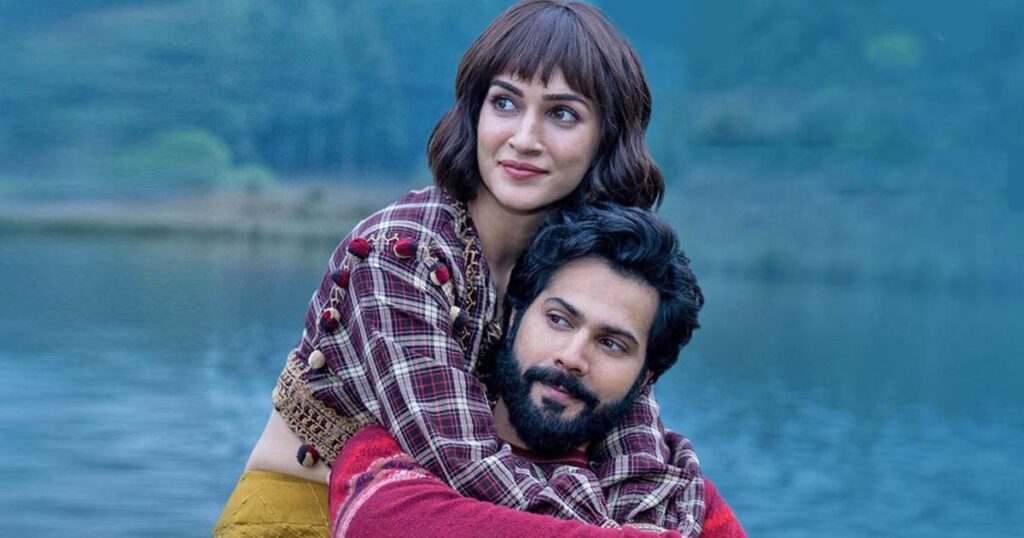
In the melee, Kriti Sanon’s role gets warped in a catch 22 situation. A character that could’ve been much better written and provided more meat. But commendable how she makes chicken salad out of the chicken shit presented to her and works towards the payoff. A very selfless and benevolent performance, in hindsight. The woman’s a team player.
Varun Dhawan is at a very interesting point in his career. Statistically, one of the most successful Indian actors ever, the man hasn’t yet been coroneted with the marquee status he so rightfully deserves. A pro-wrestling/sports entertainment fanatic, Dhawan’s career trajectory is akin to that of WWE Superstar Cody Rhodes.
Generational talent stuck in the undercard – leaves company – works around the world and returns home as a megastar. This is Varun Dhawan’s made-man year and Bhediya is his WrestleMania 38. Took him ten years to break the proverbial glass ceiling.
The torch hasn’t been passed. Dhawan has snatched it. As his favourite Dwayne “The Rock” Johnson would quote, Varun Dhawan has Layeth The Smacketh Down!
Writer Niren H. Bhatt and director Amar Kaushik have a notorious entertainer. Bhediya is the assclownery we need in this world too worked up.
And if the post-credit scene is a cue, safe to assume that madness has just entered the chat.
ZEE5 Global, the world’s largest streaming platform for South Asian content, has set a benchmark when it comes to thrillers and is all set to announce its next. The platform today announced the premiere of its direct to digital movie – Blurr. Produced by Zee Studios, Outsiders Films and Echelon Productions, the film is a psychological thriller starring Taapsee Pannu and Gulshan Devaiah. Directed by Ajay Bahl, the movie will premiere exclusively on ZEE5 Global in Hindi with subtitles.
Written by Ajay Bahl & Pawan Sony, Blurr is the story centred around a woman, her struggles and how she fights back overcoming her ordeal. This visually distinctive film revolves around Gayatri played by Taapsee Pannu who is slowly losing her sight whilst trying to investigate the death of her twin sister. Taapsee Pannu’s never seen before avatar and the plot twists will keep you hooked in shocking ways.
Archana Anand, Chief Business Officer, ZEE5 Global said, “At ZEE5 Global,we have constantly focused on expanding the horizon of storytelling by catering to the evolving needs of our viewers. The year 2022 has been powerpacked with blockbuster titles for us and we are now extremely excited to unveil the Taapsee Pannu starrer ‘Blurr’ as a direct to digital release on our platform. With a unique storyline and a stellar cast, we are certain that this horror thriller will keep our global audiences hooked to their seats.”
Shariq Patel, Chief Business Officer, Zee Studios said, “Zee Studios is committed towards consistently elevating the scale of its content. ‘Blurr’ comes with an extremely talented cast led by Taapsee, who has broken barriers with this one. She is an absolute delight to watch. Looking forward to bringing this fabulous film to audiences on ZEE5 Global.”
Producer and Actor – Taapsee Pannu said,Thrillers form an important part of my filmography and Blurr was one such a script that kept me on the edge with its screenplay and the situations the protagonist was thrown into throughout the film. That’s why it was an immediate yes when Vishal reached out to me for this project. Having shot almost half the film blind folded I am taking back home a lot of memories and real bruises which truly made me value the clear vision even more. After section 375 I was really looking forward to working with Ajay sir. I hope the OTT audience is ready for some thrills and chills with this one.”
Producer Vishal Rana said, “It gives me immense joy as we announce the release of Blurr. It is not just a film but an experience to live and I’m sure that the audiences will enjoy every single moment of this edge of the seat thriller.”
Producer Pranjal Khandhdiya said, “In today’s times, the biggest challenge for making good films is to find right collaborations. For us, Zee Studios & ZEE5 Global have been the strong support always. Blurr is a special film for Taapsee and I and we promise that audiences will have a never before experience watching it.”
To all the fans of eerie environments and pure terror, brace yourselves for ‘Blurr’ arriving on ZEE5 Global soon!
Blurr will exclusively premiere on ZEE5 Global, December 9, 2022
When you first start walking as a toddler, you take a gentle step on the ground. Find your balance on one foot and then place the other to stand on both feet. Slowly you begin moving forward, holding onto your parents, guardian, siblings, or simply objects around you.
Once you perfect the balance on two feet and grasp the idea of walking, you learn to firmly stand upright and walk without support. And eventually you can run.
Now, if you’re a non-vegetarian, picture the same analogy.
Typically, all meat-eaters start out playing it safe. You have eggs, then move on to chicken, then try some steak or pork sausages. Then you occasionally experiment with the delicacies of the world. Perhaps some caviar, crickets, frog legs, or even some monkey brain?
The world is your oyster (no pun intended)!
The same analogy applies to Bones and All, except it’s the journey of a girl walking alone to uncover the root of her dietary requirement – cannibalism.
Credit: Yannis Drakoulidis / Metro Goldwyn Mayer Pictures
There are films that you can go in blind. You don’t need to watch the trailer, promotional materials, or even see the poster before you decide to watch them.
Bones and All is not one of them. It’s the stuff of nightmares.
It is not for everyone and will most certainly leave the audience divided in its fate and box office success.
But allow me to perhaps convince you of how deliciously dark, creative, and impressive this piece of experimental art is.
The film dives dramatically quickly into its premise of cannibalism and wastes no time to shock as well as ease the viewer into an unfathomable world of someone tempted to devourer human flesh.
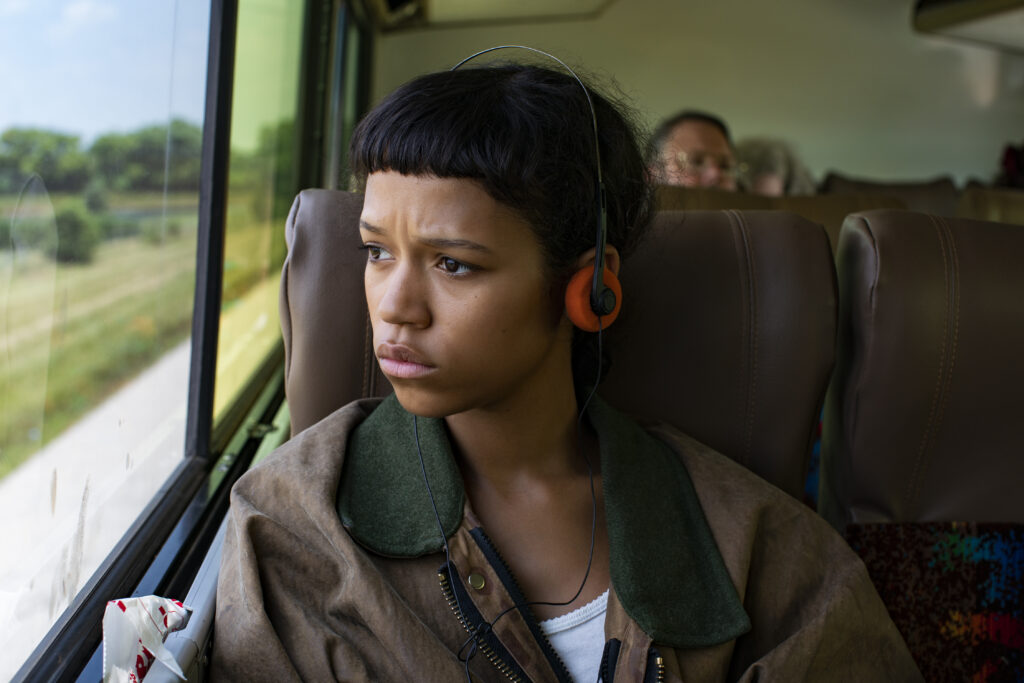
It traces the life of a teenager Maren Yearly [Taylor Russell] who’s been abandoned by her father overnight, leaving behind only some cash and an audio cassette with a recorded message by her father.
What follows is her journey navigating through life on her own, carrying the burden of a haunting secret and meeting people along the way that shape her into adulthood.
Credit: Yannis Drakoulidis / Metro Goldwyn Mayer Pictures
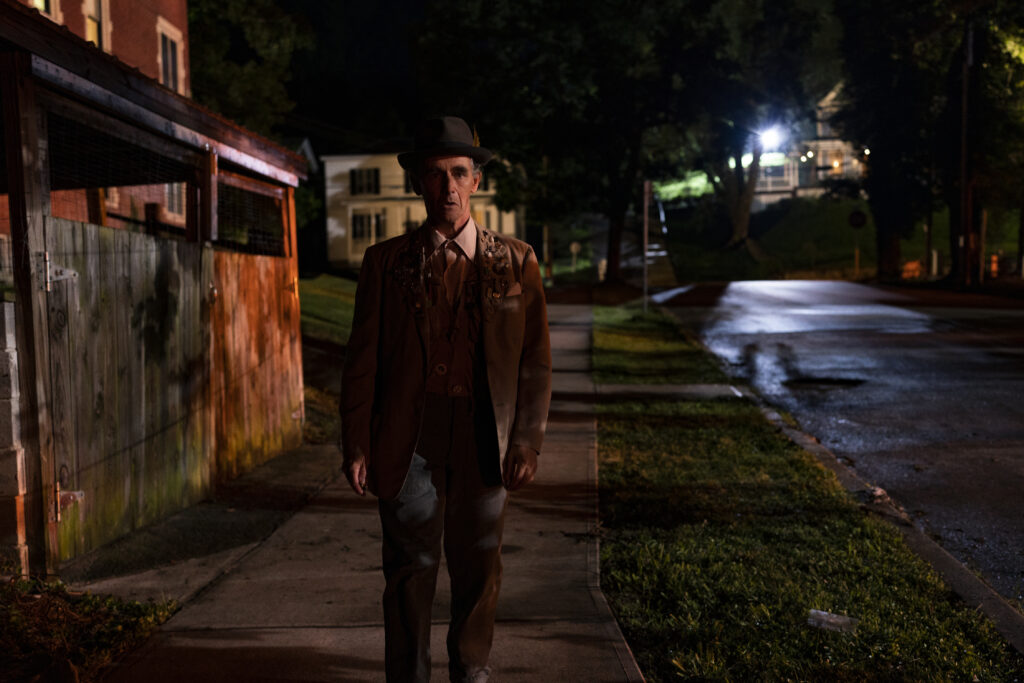
Sully [Mark Rylance] emerges (literally) as a father-figure to guide Maren early on in her journey. His character provides a sense of normalcy for Maren as well as the audience to understand the desires and conflicts of a cannibal. A concept too bizarre for words.
The film doesn’t show them as outsiders, but as ordinary people. They live among us, as one of us, using their cannibalistic radar to find their own and resisting the urge to kill and consume.
But that’s not all.
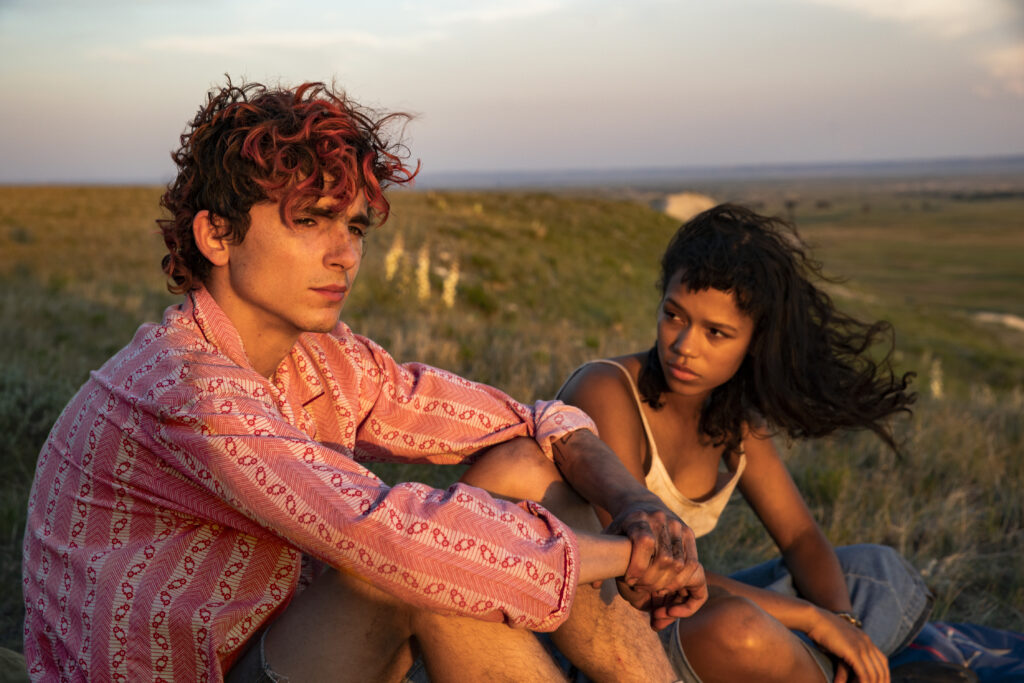
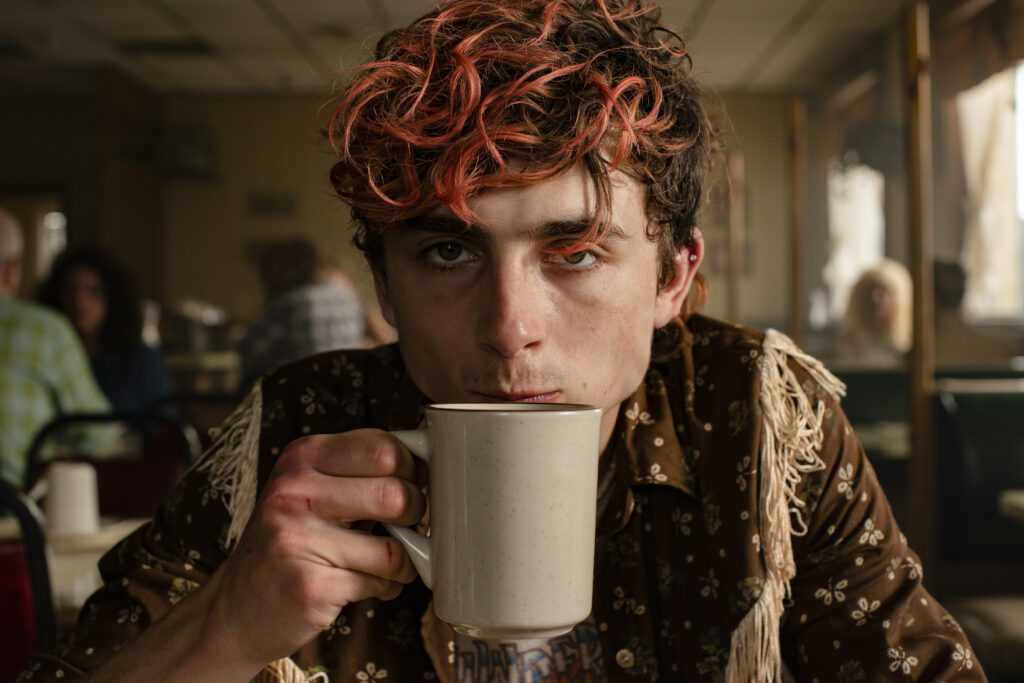
Before you get too comfortable with the paradigm, we’re introduced to another complex character Lee [Timothée Chalamet], grappling with his past, present and the future. Thus, shifting the genre to a coming-of-age romance that delves deeper into the human psyche and raw emotions.
Maren and Lee develop a special bond – rejected by the world, united by their desires.
They travel across the country learning to survive, fend for themselves, fighting their demons, and learning to accept and love. They yearn to fit in with the norm.
A heart-breaking moment in the film is a mature Maren says “Let’s be people… Let’s be them for a while.”
A lifestyle neither of them have experienced or enjoyed in a world that wouldn’t understand or accept them.
Credit: Yannis Drakoulidis / Metro Goldwyn Mayer Pictures
Speaking of the performances, Bones and All is a brave choice of any actor to portray such unconventional characters. The lead cast of Russell, Chalamet and Rylance play their parts of “eaters” with absolute conviction.
Credit ought to be given to Director Luca Guadagnino for shaping the actors and bringing out their best in a terrifying world.
Also, cinematography by Arseni Khachaturan skilfully captures the little towns, highways, back-roads, and fields across America, setting the right tone for the film.
The only drawback is the film’s pace that loses momentum between the high-powered sequences that are far too long and slow. The duration of the film drags quite a bit; A crisper narrative could’ve / would’ve been better.
It would be unfair to divulge in all the details and the nuances in the film as it’s an experience to be had.
Credit: Yannis Drakoulidis / Metro Goldwyn Mayer Pictures
It is a 130 minutes of coming-of-age love story, blended with raw drama, romance and horror. “Raw” being the operative word.
Bones and All will make you squirm in your seat, test your limits and ultimately desensitize you to the most unsettling sight on reel.
It is an unusual tale of love, desires, morality, friends, trauma, inner demons that can either be too consuming or be consumed. It is about setting your own rules and creating your boundaries.
However, all said and done, it is a film that perhaps shows you how to accept and embrace life as it is – the good, bad and the ugly – bones and all included !
Apotheosis is the word rattling around in my brain as I walked out of the theatre after witnessing the last seven minutes of Kantara.
The film written and directed by Rishab Shetty also solely rests on the man’s electrifying performance. And those last seven minutes in an already blistering third act is an example of a hypnotic culmination of the whole 150 mins of what could only be called a canvas, painted by a man in complete control of his craft and unabashedly in his milieu.
The cultural context and rootedness are so ingrained in the DNA of the film that the first 15 minutes almost feel like a visual and aural overdose. It is as an exposition-heavy prologue that leads into the main character’s introduction – Shiva, the quintessential rebel with a cause.
Shetty isn’t interested in rushing through the plot, devoting his sweet time to set up the context, the environment, and the servility shown by the villagers towards a feudal landlord which is unquestioning, but again inculcated via decades of loyalty.
Actor-Director Shetty is clever enough to trust his audience to know that the other shoe will drop, but he stretches it out, adding to conflicts between Shiva and new Forest officer Murali (Kishore). A clash of egos would bring to mind the fiery anger showcased by the protagonists in Ayappannum Koshiyum, underscored by the reasoning of those leads which both lie in shades of grey.
This is also sprinkled in with dreams and nightmares Shiva suffers through, which only serve to unsettle him and increase the volatility of the character.
However, unlike the Kannada film industry’s most famous antiheroic output (KGF 1 & 2), Kantara‘s protagonist is a far-controlled man, prone to seeing reason. But all of these plots are explored by being in a serial progression, instead of intertwining them and making them convoluted. As a result, while the movie is long, it doesn’t deter your enjoyment or lose your attention.
The comedy is just enough to make you laugh while simultaneously looking at it with raised eyebrows, while the love track feels a tad bit underdeveloped. However, the character of Leela (Sapthami Gowda) has far more agency than you would expect from a film so focused on its alpha protagonist.
However, Shetty’s performance sometimes borders on incandescent. His commitment to the role almost threatens to overshadow his co-stars and the ensemble, who are all universally solid.
Veteran actors like Achyuth Kumar (as landlord Devendra Suttooru) and Kishore manage to be impactful regardless.
The true nature of Kantara‘s success lies in its brazen confidence in the story and its determination to tell its truth; To give voice to the voiceless and provide agency while simultaneously wrapping it up in the testosterone-fuelled action extravaganza sheen.
And of course its thesis on the real cornerstone of myths, the rise of legends and the eventual apotheosis borne out of anger and rage of finally standing up, removing the blindfold and dictating “enough”. All of which catapults Kantara to a movie that has far bigger reach on a sociological and even anthropological context.
With cinematography by Aravind S. Kashyap and the potent musical score by B. Ajneesh Lokanth, a complete balletic tandem of technical prowess contributes to a brilliant form of storytelling about myths. Kantara presents the collective memories of realistic stories mutating into myths and the ambiguous intermixing of the supernatural and the real, and the narrative confidence to not provide an answer.
Imagine Robinhood living in the world of Game of Thrones, but make it Pakistani and fiercely Punjabi. You get The Legend of Maula Jatt (TLOMJ)… and I’m here for it!
There’s love, there’s war, there’s blood and gore, and a whole lot of entertainment.
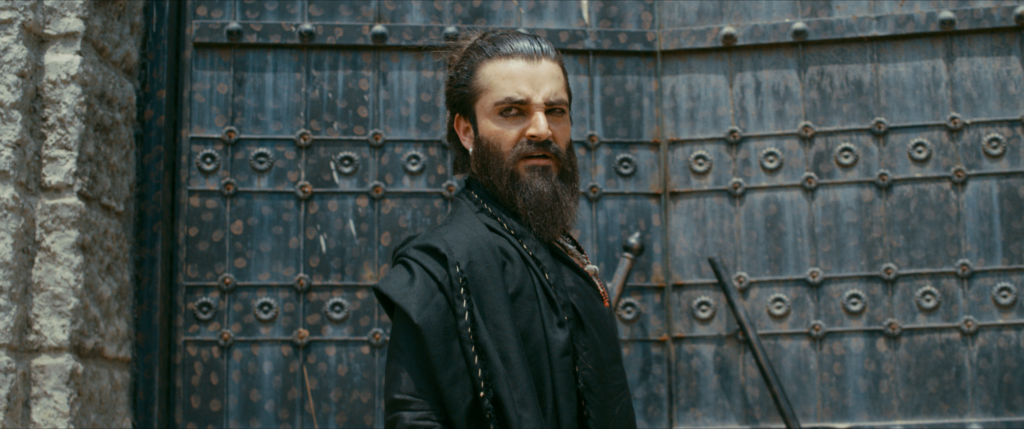
Starring Fawad Khan in the titular role, TLOMJ is an out-and-out action drama set in a Shakespearean-esque period with raw characters, locations and emotions.
Maula Jatt (Fawad Khan) is a tortured, lonely, lost soul battling his inner demons to avenge the murder of his parents. The film follows the “hero’s journey” of departure, initiation to the unknown to fight his enemy and a triumphant return home.
But what sets TLOMJ apart from the clutter is its technicalities and attention to detail.
Stunning visuals and cinematography by Bilal Lashari build a strong foundation for this dystopian world, set in a time in history where tribes competed for power. Each frame is meticulously planned and shot making it an immersive experience.
Written by Nasir Adeeb and Bilal Lashari, the dialogues are equally powerful. The wickedly clever Punjabi dialogues spoken with fluidity makes a cerebral yet entertaining impact. Whether it’s the words of love, hate, power or of weakness – the crisp writing is the backbone of the film.
It almost makes you wonder if the film would’ve had equal impact if it were in another language. Probably not!
Speaking of the performances, it’s the negative cast that takes the cake.
Hamza Ali Abbasi as Noori Natt and Humaima Malick as Daaro Nattni are fabulously villainous as the brutally evil siblings and leaders of their gang.
Abbasi delivers a villain we love to hate; An antagonist we can’t help but root for in a battle with the protagonist. Noori, the most feared warrior in the land, teases the viewers with a menacing smile and a catchword “soniye” before thrashing his victims. A performance guaranteed whistles and loud applause in single-screen theatres everywhere.
Another rogue to look out for is Maakha Natt (Gohar Rasheed) who is as evil and venomous as the scorpion’s poison he sniffs. It’s quite deliciously dark!
The kohl-eyed Malick is savagely intimating as a protective sister and princess defending her land. Her restrained speech and equation with her brother may remind you of a character in Game of Thrones… I’ll let you figure this out! Malick’s screen presence is remarkably unforgettable.
That unfortunately brings us to a forgettable lead character, Mukhoo Jattni (Mahira Khan). Introduced as Maula’s loudest cheerleader and his “love interest”, Mukhoo presence isn’t more than a prop or a mere supporting character to simply aid the progression of Maula’s journey.
The supporting cast of Faris Shafi as Mooda, Shafqat Cheema as Jeeva Natt, Saima Baloch as Rajjo, and Nayyer Ejaz as the army leader impressively commit to their roles.
TLOMJ is based on the characters conceptualized by Nasir Adeeb in 1979, that are just as bold and audacious in 2022.
The film is unapologetic for pushing the envelope in each frame and keeping the audience at the edge of their seats. Expected the unexpected – The Legend of Maula Jatt will catch you off guard!
Watch out for the poetry “Duniya taun apni kahani” that binds all the key characters together as well as sets them apart in their respective journeys. A crafty and nuanced approach to demonstrate their state of mind and fate.
Who says films can’t be crude and simultaneously beautiful?
Popcorn Rating – [5/5]
The Legend of Maula Jatt is a wildly adventurous and fierce experience that’s a sure-shot game-changer for Pakistani cinema. Be ready to be shocked, awestruck and thoroughly entertained!