Stories

The Boycott Nation – If you too are facepalming and rolling your eyes, join the club

The first time I learned the term “Boycott” was in a history class over two decades ago.

It was about the Swadeshi and Boycott Movement in 1905, when India was fighting for freedom and called for boycott of all British goods, urging people to buy Indian products only.

This Indian independence movement became a turning point in Indian history that inculcated national spirit, unity (in support of Bengal) and the importance of being self-reliant. It also etched the meaning and purpose of boycotting something for a larger cause.

That was then.

Over a 100 years later, Indians are running another “Boycott Movement” – “Boycott anything that offers a difference of opinion or promotes diversity”.

Or in other words – Support Intolerance.

Lately, cinema and art are the favorite targets where films, actors, and filmmakers are being (stupidly) boycotted.

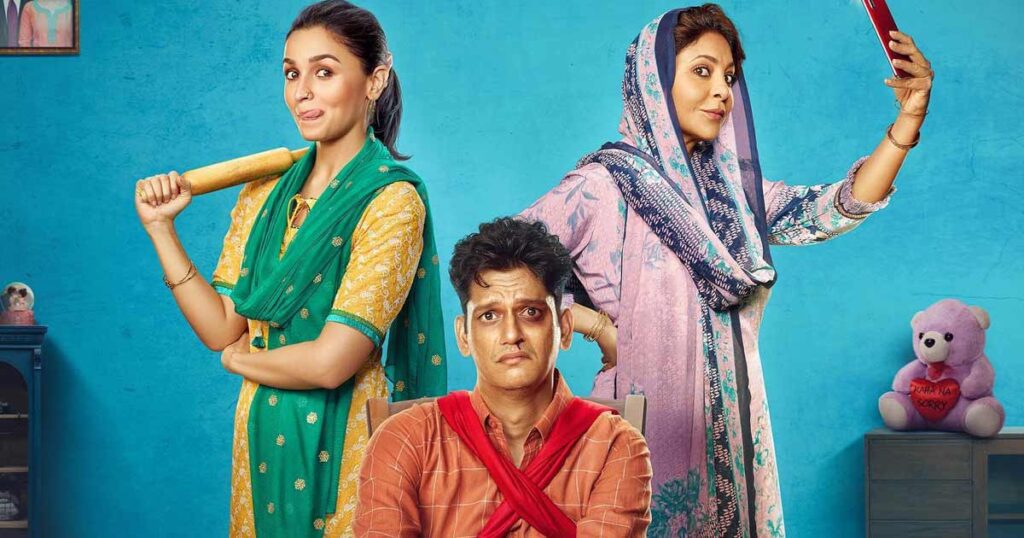
Poster image from Darlings

Days before the release of Darlings on Netflix, Twitter was buzzing with a hashtag #BoycottAliaBhatt claiming that the film promoted domestic violence against men.

However, multiple trailers of the film also highlighted domestic violence against women. But that didn’t seem to bother the same netizens to perhaps start a campaign called #BoycottDomesticViolence.

Since the release of the film, viewers have obviously gotten to see both sides of the coin and the majority has been rightly appreciating the dark comedy.

But the bigger question/s behind the #BoycottAliaBhatt movement remains. Has domestic violence against women, in real or reel life, become a norm?

Are people more comfortable watching women being abused and cannot tolerate the same actions against a man? Don’t women deserve the same uproar against violence?

Still from Laal Singh Chaddha

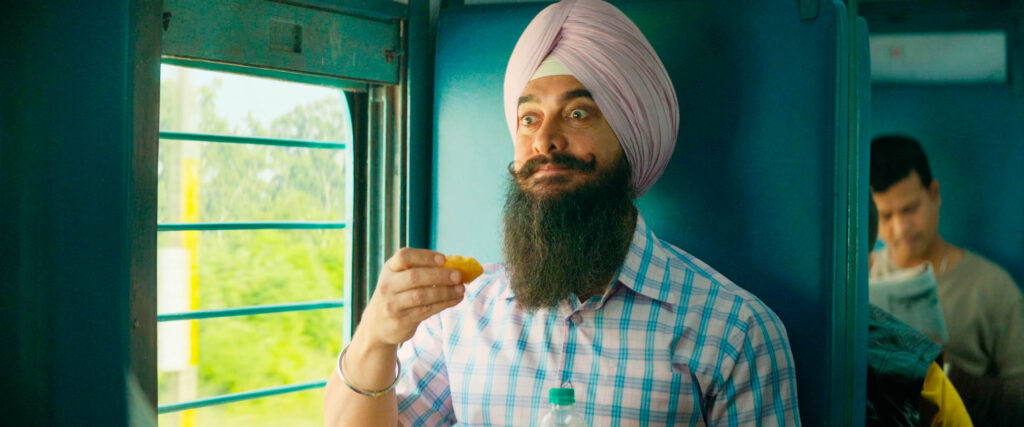
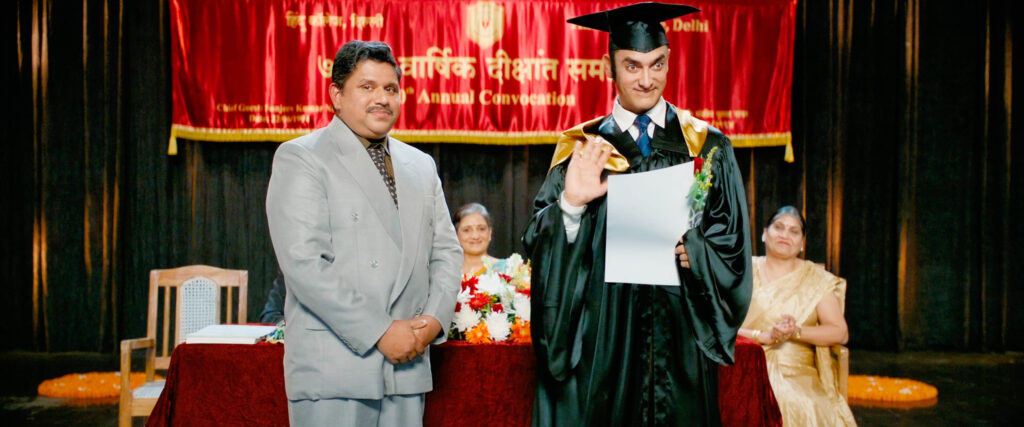
Moving on to another film receiving backlash over a comment made by the actor on the state of tolerance in India – #BoycottLaalSinghChaddha and hate against actor Aamir Khan.

In 2015, Khan expressed his concern over the “growing intolerance” in India wherein he considered migrating to another country with his family.

It’s not unknown that some religious extremists have been pushing their agenda and instilling fear within the country, in efforts to suppress the minorities. In other words, the age-old Hindu-Muslim political debate.

Of late, it’s hard to ignore the countless incidents that scream religious intolerance (among other hate crimes), that the argument of “growing tolerance” shouldn’t even be a surprise or even a subject of hurting sentiments.

It’s simply speaking the truth. But perhaps, truth hurts and hence the majority feels the needs to silence it instead of facing it.

Their larger cause – #BoycottFacts.

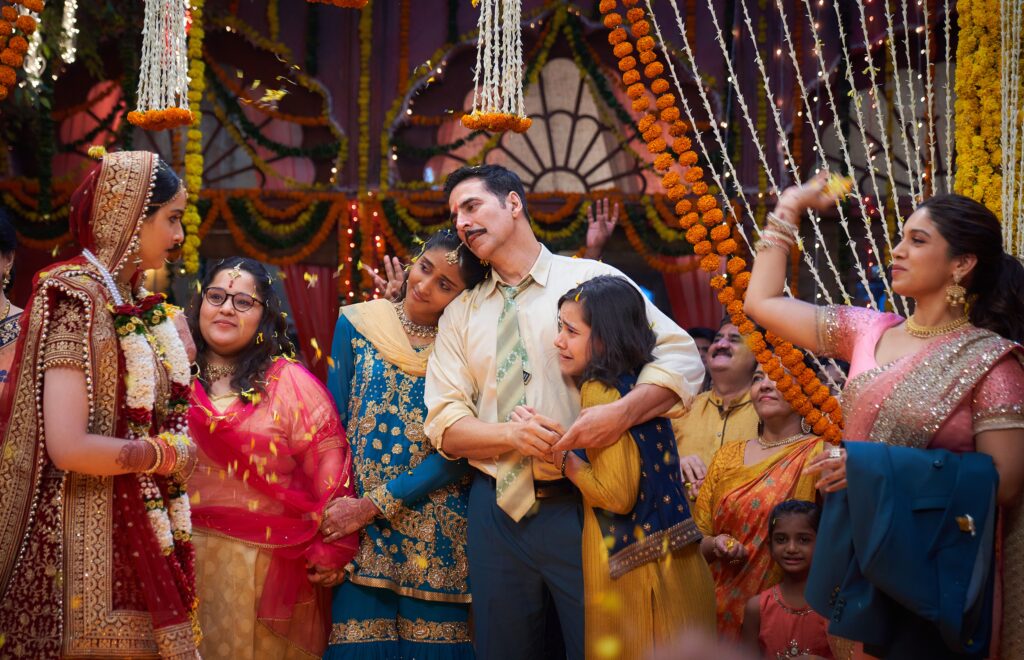
This leads me to the third “Boycott Movement” of the hour – #BoycottRakshaBandhanMovie trending on Twitter.

Still from Raksha Bandhan

This started because some muttonhead with too much time on his hands, dug out an old tweet of writer Kanika Dhillon where she mentioned gau (cow) taking a jibe at the lack of “ache din” (if you know, you know).

Lo and behold, this “Hinduphobic” statement offended some and now it’s headline news on every platform.

Might I add, the new ‘Boycott Gang’ sure is very social media savvy for crafting extremely specific hashtags. Instead of simply creating a hashtag called #BoycottRakshaBandhan, they carefully created one for the movie, i.e. #BoycottRakshaBandhanMovie … because doing so may send the wrong message of rejecting a religious/cultural occasion altogether. And that’s not good for optics.

Still from Laal Singh Chaddha

If you too are facepalming and rolling your eyes, join the club.

But this also makes me wonder about the values, sensibilities, and idiocies of the club on the other side.

Now, it’s obvious that such campaigns are being coordinated by extremely dense groups that thrive on claptrap. But what’s their bigger cause…?

Unlike the Swadeshi and Boycott Movement, I don’t see such boycotts in the best interests of a democratic nation or in national spirit to appreciate change and new perspectives.

And as far as films being “boycotted” are concerned, in the words of actor Akshay Kumar, “If you don’t feel like watching the movie, then don’t. It’s a free country and the film is out there, so if someone wants to watch it or not, it’s up to them”.

From boardrooms to film sets, ‘O Womaniya! 2022’ study reveals the state of female representation in Indian films and digital series

Media consulting firm, Ormax Media and entertainment platform, Film Companion today released O Womaniya! 2022, the most definitive report on female representation in Indian entertainment. The report is supported by Prime Video, India’s most loved entertainment hub. The report highlights on-screen and off-screen representation of women, by analyzing 150 theatrical films, streaming films and series released in 2021 across 8 Indian languages (Hindi, Telugu, Tamil, Malayalam, Kannada, Punjabi, Bengali and Gujarati). In a first, the report received collaboration from multiple entities within the media and entertainment industry. This includes industry bodies like the Producers Guild of India and Active Telugu Film Producers Guild, streaming services like hoichoi, SonyLIV, Voot and ZEE5, along with film leading film studios like Clean Slate Filmz, Dharma Productions, Emmay Entertainment, Excel Entertainment, Purple Pebble Pictures, RSVP and Sikhya Entertainment.

The report studied the representation and participation of women across three major categories – ‘content’ that included female representation on-screen and behind-the-camera, ‘marketing’ that studied female representation in promotional trailers of films and series, and ‘corporate’ that analyzed female representation in board rooms of top 25 media and entertainment firms. Key findings of the report include:

  • Low representation off-screen: Women have low representation behind-the-camera with only 10% head of department (HOD) positions across key divisions (production design, writing, editing, direction and cinematography) held by women. Out of the 56 theatrical films analyzed across languages, not even one was directed or edited by a woman. Even in media and entertainment corporate houses, that are at the center of decision-making, only 10% of senior leadership roles were held by women, having a cascading effect on inclusivity through the production and execution chain.
  • Low representation on-screen: Only 55% of the films and series passed the Bechdel Test1. Even in promotional trailers analyzed through the Trailer Talk Time Test2, women had only 25% talk time with 48 titles even allocating 10 seconds or less to female characters.
  • Women hire more women: The percentage of female HODs doubled when a woman greenlit a series or a film. Similarly, a higher percentage of films passed the Bechdel Test (68%) and women had higher trailer talk time (35%) if the title was commissioned by a woman.
  • Streaming is driving the change: Streaming films and series performed better than theatrical films across all parameters indicating the change the sector is ushering in representation on and off-screen. For instance, representation of female HODs in streaming films and series was five times higher than theatrical films. Similarly, 64% of streaming series and 55% of streaming films passed the Bechdel Test, as opposed to more than half of theatrical films failing it. Likewise, streaming films and series provided more talk time to female characters in trailers, leading theatrical films by 10 percentage points and 14 percentage points respectively.

Speaking about the findings, Shailesh Kapoor, Founder-CEO, Ormax Media, said, “While it’s no surprise that female representation in mainstream entertainment is low, the degree of skew, such as 10:90 on some key parameters, should be a wake-up call. While streaming titles, especially series, are more women-inclusive in on and off-screen representation, theatrical films continue to perform very poorly, and in fact, have shown no positive growth at all since the previous report, which covered content released in 2019 & 2020. We hope that this report serves as a starting point for the industry to come together and discuss ways to address the evident imbalance.”

Anupama Chopra, Founder & Editor, Film Companion said, “Data is essential to understanding how drastically skewed the gender equation in the Indian film industry is. O Womaniya! provides us with the starting point for discussion and debate. Starting out as an effort by Ormax Media and Film Companion, the initiative has now found resonance with the entire industry. The support that we have received from film bodies, streaming services and studios is heartening. We will continue to build this momentum and hopefully lead the way to change.”

Talking about the significance of the report, Aparna Purohit, Head of India Originals, Prime Video said, “While there have been improvements in female representation in Indian entertainment, there hasn’t been any data-backed report in India that can hold a mirror up to the current reality. O Womaniya! 2022 fills the much-needed gap with its rich insights. We are thrilled to join hands with Ormax Media and Film Companion on an initiative that is in sync with our philosophy on equitable representation. The report serves as a good starting point to initiate discussions on the need to involve more women, particularly in decision-making roles, as that has a ripple effect on inclusivity in the entire ecosystem. Change has to be persistent and intentional, and we need to take constant steps to improve these numbers year after year.” Elaborating on the role of streaming in improving female representation, she added, “Streaming services have certainly opened the doors for more inclusive storytelling that provides greater opportunities to women. Streaming has given voice to more female storytellers resulting in an increase in stories that are driven by female characters with agency. At Prime Video, we have rolled out an inclusion policy playbook that has institutionalized certain guidelines to ensure just female representation on and off-screen. These range from mandatory female representation in writers’ rooms, and evaluating every script on specific parameters. I am certain that streaming is going to further lead the charge on diversity, equity and inclusivity in Indian entertainment.”

O Womaniya! 2022 was also supported by actor Vidya Balan, who over the last 17 years, has led and furthered the mandate on female-led stories across theatrical and streaming films like The Dirty Picture, Kahaani, Tumhari Sulu, Shakuntala Devi, Sherni, Jalsa, and more.

Reacting to the findings shared in the report, Vidya Balan said, “As an actor, I have noticed the change in female representation in films in the last decade and a half. From seeing just a handful of women on sets to now having women lead film-making by taking charge of direction, editing, and other key departments, we have come a long way. While this change has been underway for a while, it’s now become stronger with streaming services that have introduced the much-needed diversity in storytelling and on sets. However, the report indicates that we still have a lot of ground to cover. And this can only happen when we have more women in the boardrooms, prompting change right at the heart of decision-making. As female actors in positions of influence, we need to push for more female representation behind the camera in order to have more sensitive, authentic and relatable representation in front of it too. I am glad to be associated with the report and commend Ormax Media, Film Companion, Prime Video, and all other entities for taking the step towards documenting female representation in Indian entertainment. We now need to move the needle from intention to action, and work towards minimizing and disrupting biases.”

Sunitha Rangaswami, an independent consultant on gender and women’s economic empowerment provided counsel on making the Indian entertainment industry more inclusive for women. Her recommendations can be found here – https://owomaniya.org/#gender-expert

Spearheaded by Ormax Media and Film Companion, and supported by Prime Video, the report witnessed industry-wide collaboration from multiple entities, including bodies like the Producers Guild of India and Active Telugu Film Producers Guild, streaming services like hoichoi, SonyLIV, Voot and ZEE5, along with film leading film studios like Clean Slate Filmz, Dharma Productions, Emmay Entertainment, Excel Entertainment, Purple Pebble Pictures, RSVP and Sikhya Entertainment

The report analyzed 150 theatrical films, streaming films and series released in 2021 across 8 Indian languages. Findings indicate only 10% representation of women in senior roles behind the camera, as well as in corporate leadership.

Women in decision making roles hired more women. The number of women hired to lead departments doubled when the film or series was commissioned by a woman

Women saw significantly lower share of talk time in promotional assets, such as trailers, with men out-speaking women by a ratio of 3:1

Streaming films and series outperformed theatrical films across all parameters, with higher contribution and representation of women on and off-screen

Access the complete report here – www.owomaniya.org

1 The Bechdel Test, conceptualized by Alison Bechdel in 1985, is seen as an internationally-accepted yardstick on gender representation in content. A film is considered to have passed the Bechdel Test if it has at least one scene in which two named women are speaking, and the conversation is about something other than men/ a man. For streaming series, the criterion was modified to include three scenes, given their longer runtime.
2 Trailer Talk Time is a test created exclusively for O Womaniya! In this test, the main trailer of the film or series is analyzed and classified by the speaking time allotted to the male and female characters. The test reports % speaking time that was owned by female characters. The test gives an insight into how producers and platforms are marketing content. At 75% trailer talk time being controlled by male characters, the results suggest that properties are being pitched from a male POV in their marketing.

BFI EXPANDED PRESENTS CHILD OF EMPIRE – A VIRTUAL REALITY EXPERIENCE PLACING VIEWERS INSIDE THE 1947 PARTITION OF INDIA AND PAKISTAN

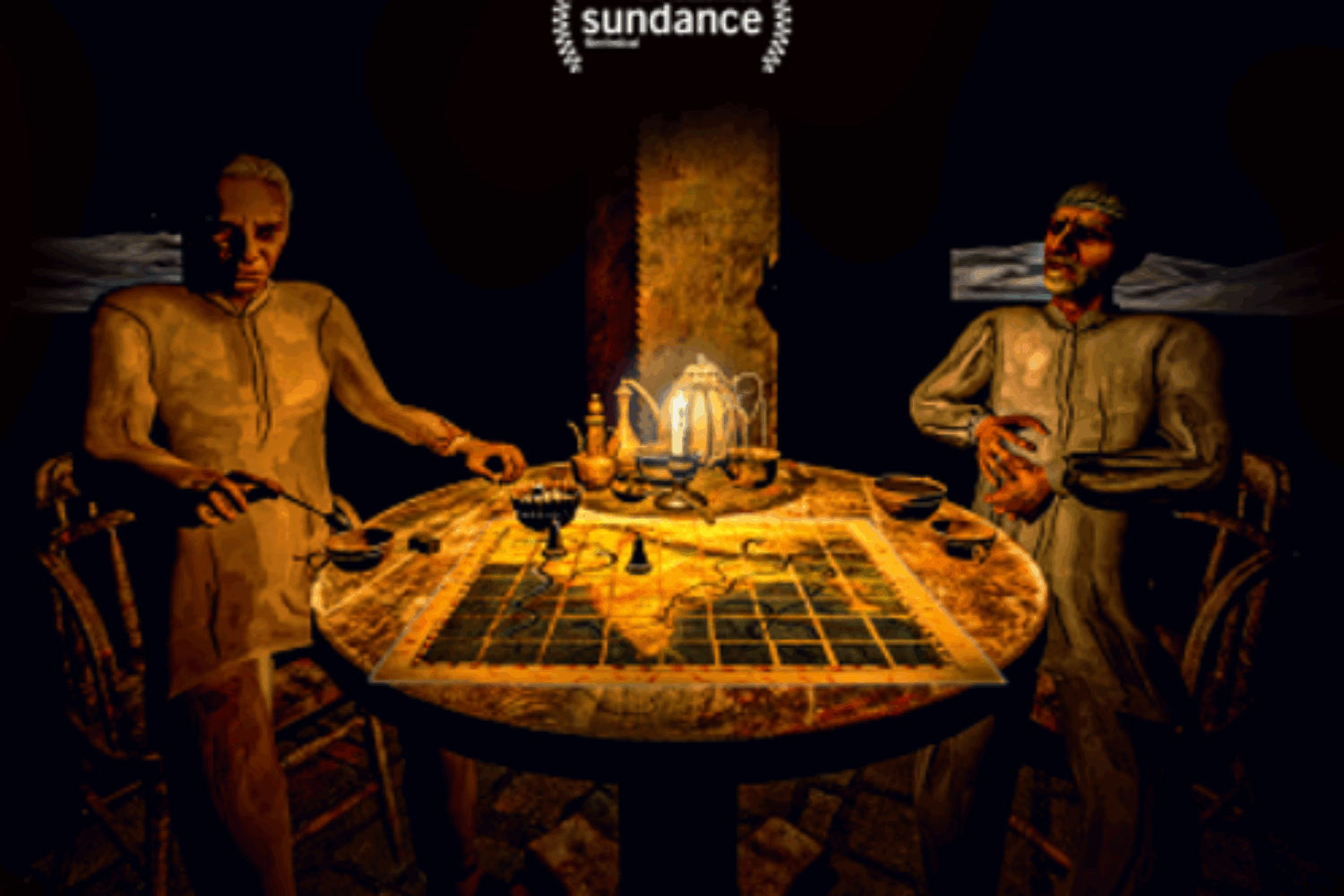
From 1-7 August 2022 BFI Expanded presents Child of Empire, an animated Virtual Reality journey through the largest forced migration in human history, the 1947 Partition of India and Pakistan. Taking audiences through a deeply personal perspective of this epic historical event, the free installation at BFI Southbank is presented by BFI Expanded, the BFI’s year-round programme strand dedicated to immersive art and extended realities (XR).

August 2022 marks the 75th anniversary of the Partition of the Indian subcontinent and the emergence of India and Pakistan as independent nation-states. British colonialism came to an end and the confrontation between the two nations led to the displacement of some 15 million people and the tragic death of more than 1 million. Child of Empiretakes audiences through this critical moment in history, following the stories of two men from the Partition generation — Ishar Das Arora (voiced by Adil Hussain), an Indian Hindu who migrated from Pakistan to India, and Iqbal-ud-din Ahmed (voiced by Salman Shahid), a Pakistani Muslim who made the opposite journey — who each share childhood memories of their experiences while playing a board game. As the two men unpack their memories, audiences embody the experience of a seven year old child at key points in the migration. CHILD OF EMPIRE places viewers at the heart of the experience, offering a powerful counter-narrative and a fresh perspective on the devastating effects of forced migration on everyday individuals.

 The world premiere of Lost Migrations, a powerful three-part animation that ruminates on the impact of the Partition, also premieres at BFI Southbank on 1 August 2022. Shining a light on stories from communities that have been excluded from South Asian literature and historiography: women, the Chettiar diaspora and the stateless, the animation showcases the diverse voices of the subcontinent and celebrates the individuality of each community.

Sparsh Ahuja, Child of Empire co-creator, said: “75 years after their migrations, Partition remains a deeply personal experience for my two grandfathers (Ishar and Jagdish) who directly inspired this film. By highlighting the similarities of migration journeys on either side of the border, Child of Empire is a reminder that it is ordinary people that suffer the most when nationalisms are created and torn apart by political elites. This film is a challenge to the divisive communalism that unfortunately plagues the subcontinent today. As a child of diaspora, I have come to understand that the important stories of migration are not those of the politics that dictate it, but the people it uproots.” 

Both Child of Empire and Lost Migrations form part of Project Dastaan (داستان‎/दास्तान: “Story”), a peace-building initiative which examines the human impact of global migration through the lens of the 1947 Partition of India and Pakistan. 

Child of Empire had its world premiere at the 2022 Sundance Film Festival as part of the ‘New Frontier’ programming slate. It was presented in the Alternate Realities strand at the 2022 Sheffield Doc/Fest and was previously selected for the Venice Film Festival’s Gap Financing Market, hosted as part of the 2020 Biennale

My first Satyajit Ray film – ‘The Big City’ aka ‘Mahanagar’ was a pleasant surprise

I was a Satyajit Ray film virgin … until few weeks ago.

The British Film Institute (BFI) is celebrating 100 years of filmmaker Satyajit Ray by showcasing his body of remarkable work.

And the first one that I watched is The Big City or Mahanagar that originally released in 1963.

I have to admit, I knew nothing about the film. I went in blind – didn’t read about it or watch any trailer. I also knew very little about Ray’s style of filmmaking – all of which took me by surprise. A pleasant surprise!

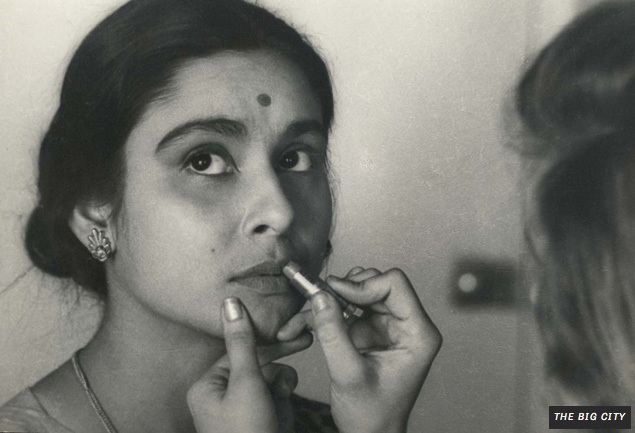
Still from The Big City

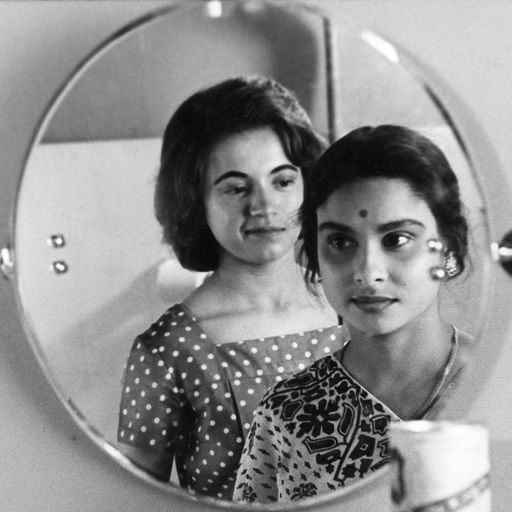
The Big City is set in the 50’s in Kolkata (or Calcutta, back then) where the society is still adjusting to post-independent India. The film revolves around a middle-class housewife Arati, played by Madhabi Mukherjee, who nervously takes on a job to financially support her husband and her (extremely conservative) family.

What follows is a charming story of a woman experiencing her new-found independence (not to mention the joys of wearing lip color), defying expectations and finding herself becoming a successful businesswoman… all while thoroughly upsetting the family dynamics.

And this is what really got my attention –

The Big City very subtly touches upon conflicting social values, emphasis on a woman’s role at home and even the workplace, sisterhood, patriarchy and even the symbolic use of a lipstick.

It feels progressive for its time because we think the world was vastly different back then .. which it was to a certain extent, but the reason why it resonates with us today is because its relevant. And perhaps it was relevant even then… so I guess the question is have we really evolved, and if so, how much have we really progressed ?

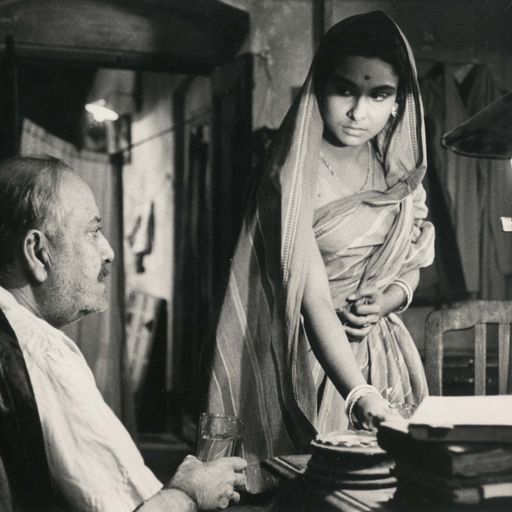
Still from The Big City

This leads me to some key take aways from the film.

Please note, spoilers ahead.

A thriving independent woman’s success is directly proportional to bruising a man’s ego:

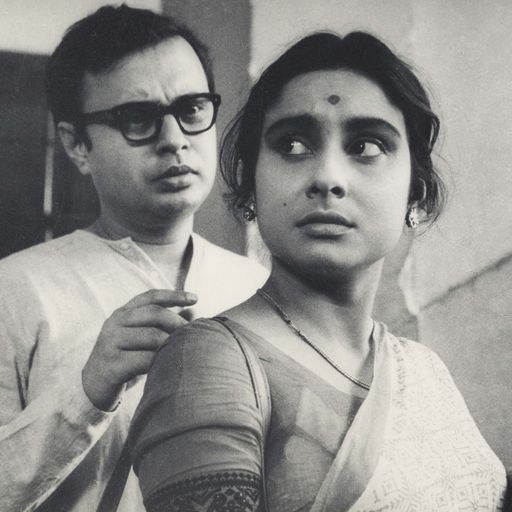
The film starts off when Arati takes on the job of a door-to-door saleswoman, and gradually finds her voice and her independence – financial independence. And that’s when the male ego of her husband kicks in, when he sees her flourishing at work. He is threatened that she’s earns more than him, enjoys her new-found freedom, has work friends, and simply relishes a little bit of color in her life … and on her face.

Patriarchy and double-standards:

What is it about men who refuse to ask for help from women or apologize to women… ?

It is noteworthy how Ray has portrayed men’s insecurities in the film. There are 3 primary male characters – the first one is the husband, Subrata whose insecurities and ego we’ve talked about.

The second is Arati’s father-in-law who is a retired, ailing schoolteacher and is perpetually disappointed with his son. And he refuses to accept money from his daughter-in-law Arati… because he belongs to the archaic times where women are “not supposed to work”. He would rather go and beg them for funds to survive.

Still from The Big City

The third male character is Arati’s boss, Himangshu, who at face value seems like a friendly, approachable manager but as the film progresses, we see different shades of his character.

The first is discriminating and stereotyping women – he disrespects and belittles a Caucasian colleague, Edith for demanding her rights at work simply because she’s not Indian and she’s more aggressive and assertive, compared to the other more docile women in the team.

This leads to another layer to his character – men prefer women to be passive and timid. Someone who doesn’t argue, doesn’t ask for too much. Enter Arati.

She’s all of the above – she’s shy, submissive, keeps her head down… and is obedient. And that’s why her boss prefers her to represent the team, rather than Edith.

Another (typical male) characteristic is revealed only when Arati’s personality develops into a more confident woman with a thicker skin, and she confronts Himangshu for patronizing and firing Edith. We see a full-blown MCP version of the boss.

All Arati wants is for him to apologize to Edith for insulting her, but Himangshu (as a man and as a boss) is too proud to admit his mistake.

The conflict between the two in that scene is quite emotionally charged.

Lastly, gender inequality at work… for pay as well as designation and roles

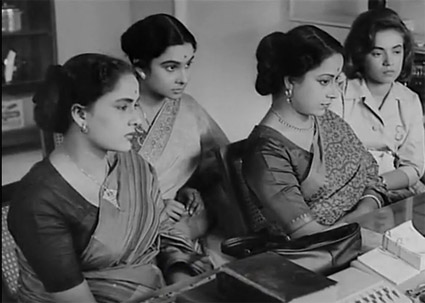
The door-to-door sales are conducted only by women, to persuade other. While the rest of the business is managed by men.

Still from The Big City

The roles and designations of each team member restricted to prejudicial treatment due to gender, which is very common (even today) in a workplace.

Also, women are not fairly compensated for their time and efforts and are too afraid to ask for a raise. Again, very subtly portrayed how women settle for less, undervaluing themselves till they experience true independence.

While, on the flip-side, men just casually waltz into an office and get offered a “suitable” role.

Still from The Big City

On that note, if you’re in London and interested in watching Satyajit Ray work, the British Film Institute (BFI) is currently hosting a special retrospective of the filmmaker to celebrate with centenary. You can check out the full programme on their website and book your tickets.

Watch an exclusive interview with award-winning actress Shabana Azmi and filmmaker Sangeeta Datta on their experience working with Ray:

ReelN Ltd presents SAHM ON SCREEN for this year’s South Asian Heritage Month

ReelN Ltd. are presenting this year’s SAHM ON SCREEN programme, part of the South Asian Heritage Month, with UK nationwide events taking place from 18th July to 17th August 2022. This two-
day event at SOAS University, London will take place on 15th and 16th July 2022.

The programme will put a spotlight on MAVA Mumbai (Men Against Violence & Abuse) and Lotus Visual Productions as principal supporters. Journalist Anuj Radia will be hosting both events and his publication FilmeShilmy is the official media partner.

Themed ‘Journeys Of Empire’, the programme will follow a two-day event course of Q&As and film
exhibitions. The concept is interpreted by the team as women’s empowerment and love beyond race
and gender obstacles. On the 15th, India and Samabhav Film Festival’s Harish Sadani will be in
attendance. His two curated titles Untying The Knot and Maida will be showcased. Both movies, documentary and short, respectively raise awareness of key issues like domestic violence and harassment faced by South Asian women.

Indrani Ray’s acclaimed anthology of Love In The Times Of Corona gets a UK Premiere, following
its successful run at Voot Select Film Festival and abroad. Produced by Tanvi Gandhi, these 3 short
films are set in the times of the coronavirus pandemic. It explores COVID’s impact on the lives of
three women, each battling their own situation, juxtaposed with the lockdown. It packs a lineup of actors like Dipannita Sharma, Adil Hussain, Natasha Rastogi, Shibani Dandekar and Shekhar Ravijani (and others) in prominent roles. Tanvi Gandhi is the producer. A Q&A with Indrani by Anuj Radia will be shown after the screening.

The second day also sees the UK screening of Lotus Visual-backed film, My Mother’s Girlfriend. It
revolves around two working-class women who are in love but fear getting confronted by one of their sons. The other display is Sharaz Ali’s Snapshot which features prominent Pakistani and international star Armeena Khan in the lead. British-Asian talent Haider Zafar is also featured. The pictures based on a Canadian girl who gets stuck in Turkey’s capital Istanbul due to COVID-19 lockdown
restrictions.

Both events are free to attend, and tickets will be available on www.reeln.co.uk.

“I’m so awestruck…”, Ranbir Kapoor lauds the VFX in ‘Shamshera’

‘I’M SO AWESTRUCK THAT I CAN’T WAIT FOR THE AUDIENCE TO SEE IT!’: RANBIR KAPOOR LAUDS HOW 2.5 YEARS OF VFX IN SHAMSHERA HAS BECOME A HUGE TALKING POINT WITH FANS AND AUDIENCES

Ranbir Kapoor is playing a larger than life quintessential Hindi film hero with the action entertainer Shamshera. Ranbir, who is coming to the big screen four years after he delivered the blockbuster Sanju, is relishing the casting coup in the film that pits him against Sanjay Dutt who is playing an evil, merciless, cold-hearted brute force of nature, Shuddh Singh. While Sanjay Dutt vs Ranbir Kapoor makes Shamshera a big screen entertainer to watch out for, another aspect that has become a huge talking point for the film is the brilliant VFX which has happened for about 2.5 years to make Shamshera a visual spectacle to watch out for!

Yash Raj Films has an in-house VFX division called YFX that works on every YRF film to make them an on-screen visual delight. Ranbir says, “Cinema as a medium has the power of really transporting an audience to a whole new world where they can really immerse themselves. Today, with the help of technology and CG, you can really push that forward. I think YRF has really given this film so much backing – be it the budget or the action, the sequences – it’s made Shamshera a visual spectacle! While we were shooting, even I couldn’t imagine the scale that it would end up looking. Now, when I see the final product, I am so awestruck that I can’t wait for the audience to see it!”


Director of ShamsheraKaran Malhotra, says, “The entire team at YFX deserves a pat on their backs. We have worked relentlessly for over 2.5 years to bring to life the world of Shamshera. And the unanimous love being rewarded to the visuals of Shamshera upholds our core idea that Shamshera is aimed at being a never before seen cinematic event for the cine-goers. We wanted to create a whole new world, a whole new experience for the big screen audiences. I’m glad that we have captivated people to want to watch our film on the big screen.”

The story of Shamshera is set in the fictitious city of Kaza, where a warrior tribe is imprisoned, enslaved and tortured by a ruthless authoritarian general Shuddh Singh. This is the story of a man who became a slave, a slave who became a leader and then a legend for his tribe. He relentlessly fights for his tribe’s freedom and dignity. His name is Shamshera.

The high-octane, adrenaline-pumping entertainer is set in the 1800s in the heartland of India. It has the big promise of a never seen before Ranbir Kapoor, who plays Shamshera in the film! Sanjay Dutt plays Ranbir’s arch-enemy in this huge casting coup and his showdown with Ranbir will be something to watch out for as they will ferociously go after each other with no mercy.

Watch the official Shamshera trailer here:

Directed by Karan Malhotra, this action extravaganza has been produced by Aditya Chopra and is set to release in Hindi, Tamil and Telugu on July 22, 2022.

Director Ayan Mukerji shares his vision of Brahmāstra Part One: Shiva and the Concept of the Astraverse 

Get a sneak peek into the world of Brahmāstra!

Produced by Star Studios, Dharma Productions, Prime Focus and Starlight Pictures the magnum opus will release theatrically on September 9th, 2022, in 5 Indian languages – Hindi, Tamil, Telugu, Malayalam and Kannada with a stellar ensemble cast of Amitabh Bachchan, Ranbir Kapoor, Alia Bhatt, Mouni Roy and Nagarjuna Akkineni.

BRAHMĀSTRA – the Trilogy, is a 3-part film franchise and the beginning of India’s first original universe – the Astraverse. The film is a new original cinematic universe inspired by deeply rooted concepts and tales in Indian mythology but set in the modern world. With epic storytelling of fantasy, adventure, good vs evil, love, and hope, the story is told using cutting edge technology and never-seen-before visual spectacles.

The film will be released in cinemas in the UK on September 9th, 2022 and distributed by the Walt Disney Studios.

“Our vision for ‘Shamshera’ was to create a visual spectacle like no other,” says Director Karan Malhotra

Ranbir Kapoor is playing a larger than life quintessential Hindi film hero with the action entertainer Shamshera. Ranbir, who is coming to the big screen four years after he delivered the blockbuster Sanju, is pitted against Sanjay Dutt who is playing an evil, merciless, cold-hearted brute force of nature, Shuddh Singh. While Sanjay Dutt vs Ranbir Kapoor makes Shamshera a big screen entertainer to watch out for, what has also got huge applause from audiences is the new cinematic world that has been created by director Karan Malhotra. The world of Shamshera is new, fresh and visually stunning for cine-goers who have given his vision to tell an entirely new story two thumbs up.

Karan reveals details of the hard work that has gone in to make the stunning world of Shamshera come alive from script to screen. He says, “Our vision for Shamshera was to create a visual spectacle like no other. We wanted to create a never seen before new cinematic experience for our audiences. For us to do this we had to prep for 1 year, 4 months of mammoth set construction time, 500 + workers along with crew members of setting department, 140 days of shoot and it took 2.5 years for us to work on our VFX to bring Shamshera in its finest glory to our audiences.”

About the spectacular world that has been created for Shamshera, Sanjay Dutt says, Shamshera is a world of its own, the most important thing is it’s a mass-oriented film, with larger than life characters I think people will love it.” Vaani adds, “It’s a world that I, as an actor, have never explored. It’s a very new territory. The world kind of excited me because it has drama, entertainment, it has action, it’s larger than life and it’s been beautifully shot.”

The story of Shamshera is set in the fictitious city of Kaza, where a warrior tribe is imprisoned, enslaved and tortured by a ruthless authoritarian general Shudh Singh. This is the story of a man who became a slave, a slave who became a leader and then a legend for his tribe. He relentlessly fights for his tribe’s freedom and dignity. His name is Shamshera.

The high-octane, adrenaline-pumping entertainer is set in the 1800s in the heartland of India. It has the big promise of a never seen before Ranbir Kapoor, who plays Shamshera in the film! Sanjay Dutt plays Ranbir’s arch-enemy in this huge casting coup and his showdown with Ranbir will be something to watch out for as they will ferociously go after each other with no mercy.

Directed by Karan Malhotra, this action extravaganza has been produced by Aditya Chopra and is set to release in Hindi, Tamil and Telugu on July 22, 2022.

Watch the World of Shamshera video here:

‘DC League of Super-Pets’ – Warner Bros Pictures launches the trailer of the action adventure film

Dwayne Johnson stars as the voice of Krypto the Super-Dog in Warner Bros. Pictures’ animated action adventure feature film DC League of Super-Petsfrom director Jared Stern.

The film also stars the voices of Kevin Hart (the Jumanji and Secret Life of Pets films), Kate McKinnon (Saturday Night Livethe Magic School Bus Rides Again  filmsFerdinand), John Krasinski (the Quiet Place films, Free Guy), Vanessa Bayer (Saturday Night LiveOffice Christmas PartyTrainwreck), Natasha Lyonne (Show Dogs, Ballmastrz 9009), Diego Luna (Rogue One: A Star Wars StoryMaya and the Three), Marc Maron (Joker, GLOW), Thomas Middleditch (Godzilla: King of the Monsters Captain Underpants: The First Epic Movie), Ben Schwartz (Sonic the Hedgehog, Duck Tales)and Keanu Reeves (the Matrix and John Wick films).

In DC League of Super-Pets, Krypto the Super-Dog and Superman are inseparable best friends, sharing the same superpowers and fighting crime in Metropolis side by side. When Superman and the rest of the Justice League are kidnapped, Krypto must convince a rag-tag shelter pack—Ace the hound, PB the potbellied pig, Merton the turtle and Chip the squirrel—to master their own newfound powers and help him rescue the superheroes.

Stern, a veteran writer/consultant on the LEGO® movies, makes his animated feature film directorial debut, directing from a screenplay he wrote with frequent collaborator John Whittington, based on characters from DC, Supermancreated by Jerry Siegel and Joe Shuster. The film is produced by Patricia Hicks, Dwayne Johnson, Dany Garcia, Hiram Garcia and Jared Stern. The executive producers are John Requa, Glenn Ficarra, Nicholas Stoller, Allison Abbate, Chris Leahy, Sharon Taylor and Courtenay Valenti.

Stern’s creative team includes production designer Kim Taylor (The LEGO® Ninjago Movie) and editors David Egan(Game Night, Vacation) and Jhoanne Reyes (Teen Titans GO!” Young Justice). The music is by Steve Jablonsky(the Transformers films).

DC League of Super-Pets will be released in the UK on 29th July 2022 by Warner Bros. Pictures

Watch the official trailer for DC League of Super-Pets below: