Stories

“Leo” is a Bayhem providing a gratifying dose of silver screen adrenaline

After making a paradigm shift in Indian action genre with Vikram, the prodigal Lokesh Kanagaraj’s next venture had its own skyrocket expectations amongst the masses. That too when it was announced that Lokesh’s next was with “Thalapathy” Vijay for the second time, the expectations gone out of the roof and finally Leo roared on the silver screens this week.

There’s always this pressure for a creator who has achieved his pinnacle form at an early stage which is to deliver another work that beats it and Lokesh is in that kind of a challenge.

Let’s see if this Leo‘s roar was loud enough or not. And it’s a challenge every time for me to write on a newly release big star movie.

The subtle massiness and a fixed narrative tone:

From the opening credits Lokesh declares that Leo is an official adaptation of John Wagner’s A History of Violence comic, where a hero who doesn’t want get into his violent roots is forced to take it up due to circumstances.

This template has been a staple for most of the commercial masala films as it offers for most part the catharsis needed for viewers who are mostly helpless about the vices that happen around them yet having the urge to beat ’em all.

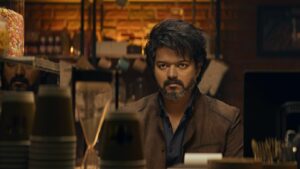
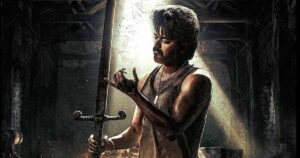
With “Thalapathy” Vijay in the lead with his stardom stripped down for most part, he plays as Parthiban a cafe owner who lives with his peaceful family but has a violent past as Leo. He has a consistent character sketch where he shows a clear contrast between the two characters.

The cafe fight scene can be seen as a great example where he showcases the anguish, the guilt, the fear and a macrocosm of emotions. It might not be an overstatement to say Leo is a Vijay “Film” after ages. His family dynamics makes you really care about the stakes on hold.

More than the star, the character of Parthiban is seen for most part which is another surprise for a Vijay starrer something reminiscent of famous Hollywood action movies making the “mass” factor more subtle. Unlike his previous movies which had a lot of subplots and layers in the narrative, Lokesh Kanagaraj and his writers crew of Rathna Kumar and Deeraj Vaidy takes the most straight forward route for this Baasha template and it’s focussed in its narration.

While there are some complications in this approach which I will come to later yet this was a surprise move from Lokesh making room for more action in the film. With a much simple setups in the first half, the payoff rewards well despite being in a template that is beaten to death.

The meticulous action and technical expertise:

There are two types of action movies: one is where there is story written around the action sequences and the other where action sequences are written round the story. Leo belongs to the former category for most part and Lokesh Kanagaraj as a writer and director totally shines in the action sequences.

From the first Hyena sequences to the climax 1 vs 100 fight scene there’s a lot of meticulousness put into the tiniest of details in staging and writing these sequences. You can see the protagonist getting tired during the combats which is a rare sight for a Vijay starrer.

The CGI works which isn’t much of a forte of Lokesh was pretty convincing making the unbelievable real. Combined with Anbariv’s dynamic stunt choreography, Manoj paramahamsa’s kinetic camera work, Anirudh’s surprisingly great choice of Soft Synth and EDM, Philomin Raj’s classy cuts (not to mention the amazing match cuts) does great wonders for the adrenaline pumping theatrical experience for an action film of sorts like this.

It’s good to see some of the creative choices made for the action sequences especially those Mocobot cam shots, the dolly zooms, the serial view fight scenes (reminiscent of True Detective S01) and the POV shots in an Indian Mainstream action film like this.

Hollywood and Peaky Blinders overdose:

Lokesh in many interviews mentioned about the impact of 80s Hollywood action films and Peaky Blinders series in his filmography.

While it’s good to see Lokesh Kanagaraj delivering a Hollywood styled approach in the Indian action genre and it’s palatable for most part, it just feels that the Hollywood pill has been overdosed a lot which is evident in the second half after the subtler interval block.

While exploring the world of Das and Co in the 20 min flashback, the Peaky Blinders influence is on the face with particularly with those occult beliefs of the “Family”, I lost it as a viewer.

In a series like Peaky Blinders it took six seasons to establish the family dynamics, the world etc. But here Lokesh condenses into a mere flashback making this unconvincing for the viewers which made the reason for Leo turning into a reformative person pretty much not fleshed out making it a badly made pastiche of its inspiration.

In the car chase sequence they tried to mimic the one shown in Raid 2 but unfortunately due to the mishaps in the CGI in that part and the payoff at the end of that sequence made it a case of yet another mere imitation.

I don’t really want to bring a lot of comparisons into this but when you take Baasha or John Wick the reason for the respective protagonists to reform themselves is made convincing which is particularly the reason it made them most rewatched films of all time.

The “Indianness” and an even more convincing emotional setup for the action set pieces was lacking in the film making it alienated. I wished the flashback would have been just a voice over narration by the characters just like they did for some parts in defining Leo’s character.

Undefined motive of the antagonists and more straight forwardness:

The supposed antagonists Anthony Das (Sanjay Dutt) and Harold Das (Action king Arjun) are menacing in their acting and does bring the condescending nature to the characters.

Leo is shown as an underground Rowdy character for the Das Family and business and he isn’t shown much of a guy who believes in brains over brawn. But their motive to kill Leo even after 25 years isn’t just really defined and hard to buy. Whether he has any secrets about the tobacco factory business? Or the datura business? Nothing – it’s just plain revenge which doesn’t really make you care about the stakes and the antagonism of the villains.

Just like in the first act, the film could have been even more consistent with its straight forward approach which would have made for an even more adrenaline pumping gratification.

The cinematic universe problem:

This is a problem that’s been on the cards in the recent years even the most established cinematic universes in Hollywood like the MCU, DCEU and other universes struggle to make use of the network narrative which they used it at first.

Cameos of certain characters don’t really make the audiences buy into these cinematic universes anymore which lead to some of the most interesting choices of narrative in recent years like Spiderman Across the Spider-verse.

I’m not expecting Lokesh to make an ATSV as LCU is in its foetus stage but considering the potential the universe it felt like the integration of it into the storyline of Leo makes it a bit of a “cash grab”. There could have been more interesting choices of setups if they’re gonna bring this into a cinematic universe but cameos of characters like Napoleon from “Kaithi” does deteriorate arc of them built in the first place.

And the Nick fury moment is yet another instance which made me feel like this could have been a standalone unpretentious film.

The audience reaction for it was pretty much baffling when I left the theatre as they were discussing a lot of “theories” and I wondered where was there a space to even make fan theories.

Glass Onion is the fitting term to describe the audience discourse that’s surrounding this LCU. The most interesting aspect of George Lucas’ Star Wars universe is that it didn’t rely on any base reference material unlike Marvel or DC but it went to be the highest grossing and critically acclaimed franchises of all time cinema. Lokesh Kanagaraj and writers’ team are going in the same trajectory like George Lucas with the LCU but I wish that he puts more introspection time into making a planned network narrative needed for a cinematic universe.

But let’s give props to the director-writer that all the LCU films are distinct in tone with each other.

Nonetheless, Leo is Lokesh Kanagaraj’s Bayhem providing a gratifying dose of silver screen adrenaline and it roars majestically!

‘Sunoh’ from “The Archies” is a Cinematic Ode to the 1960’s Rock and Roll Era

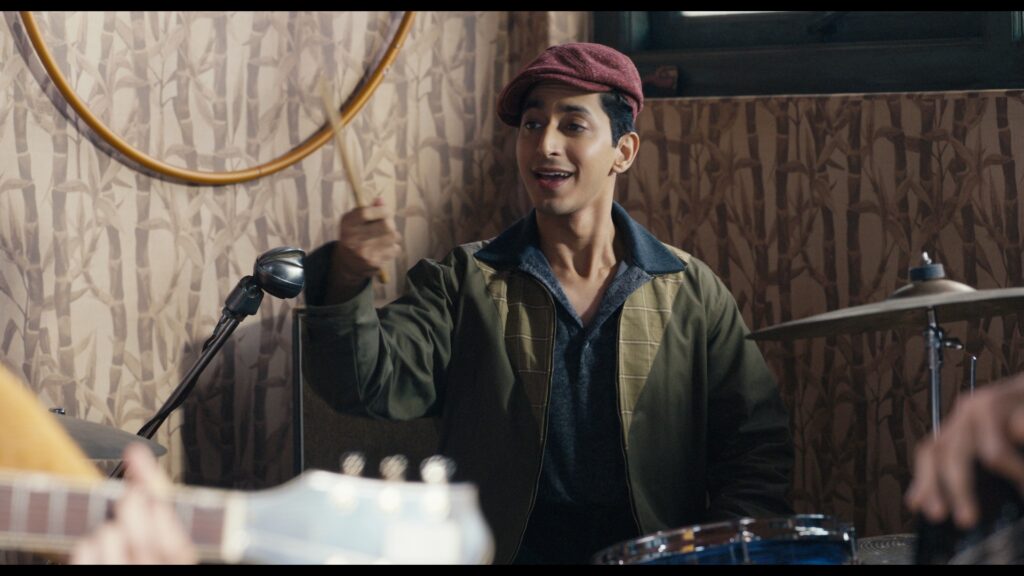
One of the most awaited films of the year, Netflix’s ‘The Archies’ has released its first song ‘Sunoh,’ featuring Dot (Aditi), Agastya Nanda, Khushi Kapoor, Mihir Ahuja, Suhana Khan, Vedang Raina and Yuvraj Menda. ‘The Archies’ is a coming-of-age musical following the lives of the town’s favourite set of teenagers by filmmaker Zoya Akhtar.

‘Sunoh,’ is a song created by the ingenious duo of Ankur Tewari and The Islanders, lyrically woven
by the maestro Javed Akhtar and the young and talented Dot, harmoniously performed by Tejas
Menon and Shivam Mahadevan. ‘Sunoh’ helps viewers to immerse into the exciting world of ‘The
Archies,’ introducing the characters of the film.

Legendary Lyricist Javed Akhtar said “Writing ‘Sunoh’ was like unlocking a time capsule of the
1960s’ rock and roll era. It’s a musical experience that bridges the past and present, celebrating the
enduring essence of this iconic period through melody and lyrics. Being a part of ‘The Archies’ has
allowed me to rediscover the magic of an era that has deeply impacted generations.”

Filmmaker Zoya Akhtar, said, “With ‘Sunoh’ we wanted to encapsulate the teenage soul of the 60’s.
‘The Archies’ is a celebration of that era. The song had to evoke simplicity, nostalgia but also a
rebellion and idealism that could resonate with Gen Z today. Ankur and The Islanders are rock n’ roll
boys at heart so they nailed it.

Ankur Tewari said, “The music of ‘The Archies’ is a heartfelt tribute to the timeless rock and roll era,
a sonic journey that captures the spirit of a musical revolution. Through our compositions, The
Islanders and I, aimed to resurrect the electric energy and vibrant rhythms of that iconic period,
offering listeners a chance to relive the magic of a musical era that remains etched in the hearts of
generations.”

An exciting ensemble cast spearheaded by the emerging talents of Agastya Nanda, Dot., Khushi
Kapoor, Mihir Ahuja, Suhana Khan, Vedang Raina, and Yuvraj Menda; the adaptation brings ‘The
Archies’ to life. This live-action musical transports viewers on an enchanting journey back to the

captivating era of the 1960s, set in the fictional hill town of Riverdale. The film is produced by Netflix
India, Tiger Baby, Archie Comics and Graphic India.

‘Sunoh’ is now available on all streaming platforms and Sony Music’s YouTube channel

The Archies will be released worldwide on Netflix only on December 7, 2023.

Of movies, myths, and masses – The evolving business of entertainment

Kisi ko kuch nahi pata. Sab andhere mein teer maar rahe hain (No one knows anything. We’re all just shooting in the dark). Here’s part 1 of my take on the evolving business of entertainment (Part 2 here).

Valid for all of us. While we all write articles, curate content revolving around the entertainment business, sharing our two cents of post analysis – the truth remains that none of us really know what’s right for the biz.

Recent trends followed by the earth-shattering reception to Pathaan and Jawan suggest how it is the era of masala and mass entertainers and everything else is conducive for the digital space. Even numbers suggest the same. But, numbers, for their design, will always tell you what is clicking in the market and not necessarily what would click for you.

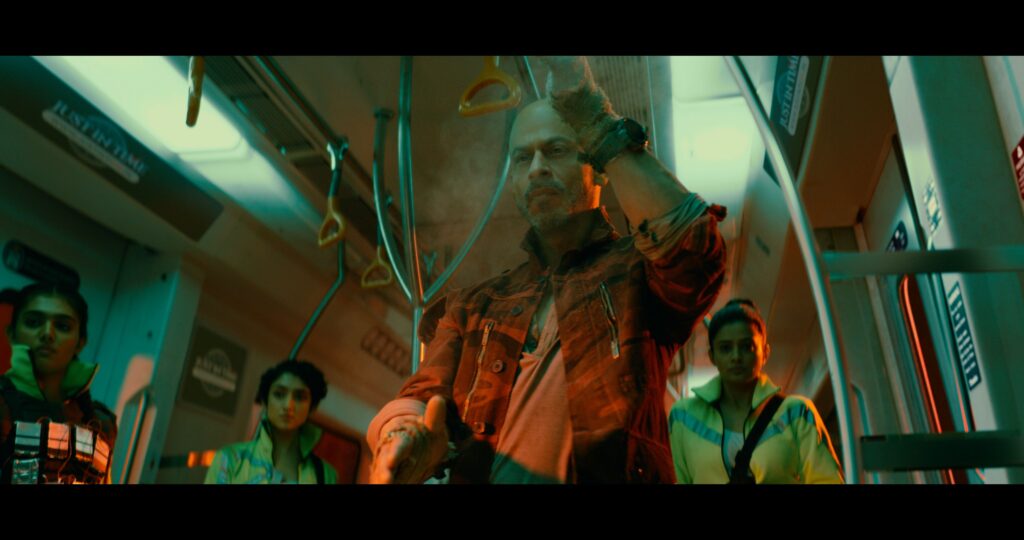
Still from Jawan

Let’s understand some key metrics of the business that aren’t actually that key or vital.

Right off the bat, is the good-old Indian Sensibilities schtick.

You’d often hear makers proclaim that their film or show caters to the Indian sensibilities. While quite smart sounding, the concept is shorthanded. It is not possible to gauge the Indian sensibility for it differs from every household.

Let us take the example of a story around infidelity or adultery. While most of us would call it a sensitive subject, it is rather relative, subjective, and individual. For one sexual infidelity might be a huge setback, a taboo that gut wrenches them. For the other, it may mean anything substantial.

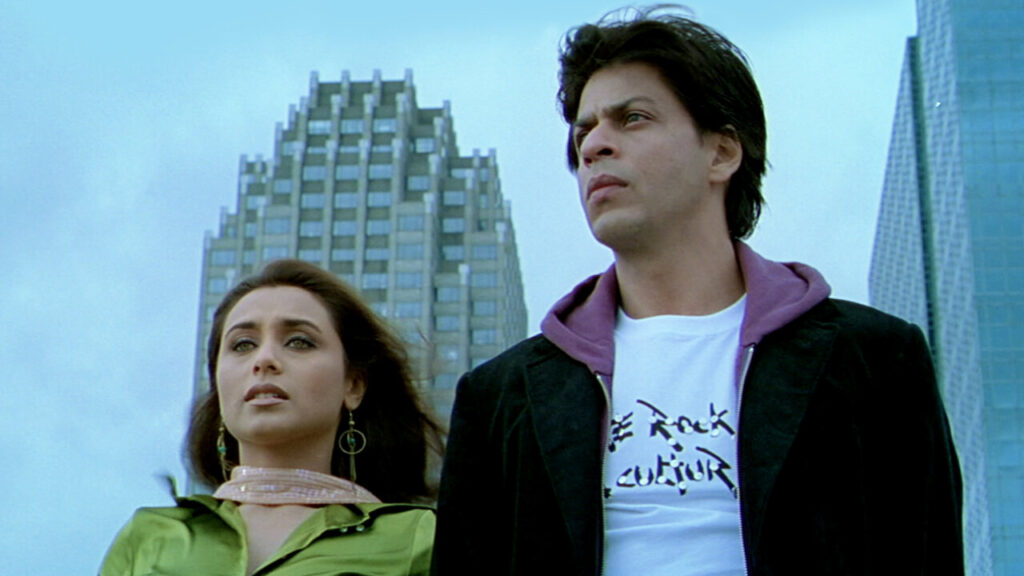
Still from Kabhi Alvida Naa Kehna

Precisely similar would be the consensus on a religious or devotional story. For some, religion might be a very sensitive issue, a topic they are rigid and conservative about. For some, it might be okay to critique the folly and flaws of faith and doctrinaire. Perception is a varied term. And claiming to have a uniform code or ethos of a variable factor leads to thought leadership, which conniving in usage becomes propaganda.

For folks working in the marketing and communications space, the letters “Target Audience” (TG) would sound like a throwaway term. A concept that has been trivialized and overused to the point of irrelevance.

Yeh humare TG ke liye work nahi karega – a line often thrown at creatives by highly educated but short-sighted focus groups who supposedly have the vast and diverse market base assessed as a sample size.

The audience has since decades been segregated into the mass, the multiplex, and the single screen public. Again, let’s zoom out and evaluate how proficient this demarcation is.

The single screen audience mostly constitutes the multiplex audience. They’re mostly the same people. As class in cinema is not determined by income group but by mood and spending preferences.

Speaking for myself, I’ve watched films at PVR Luxe when the mood and monies coincided, and I am the same guy who’s whistled and hooted at Chandan Cinema. It is the small-town mindset. And majority of India is small town.

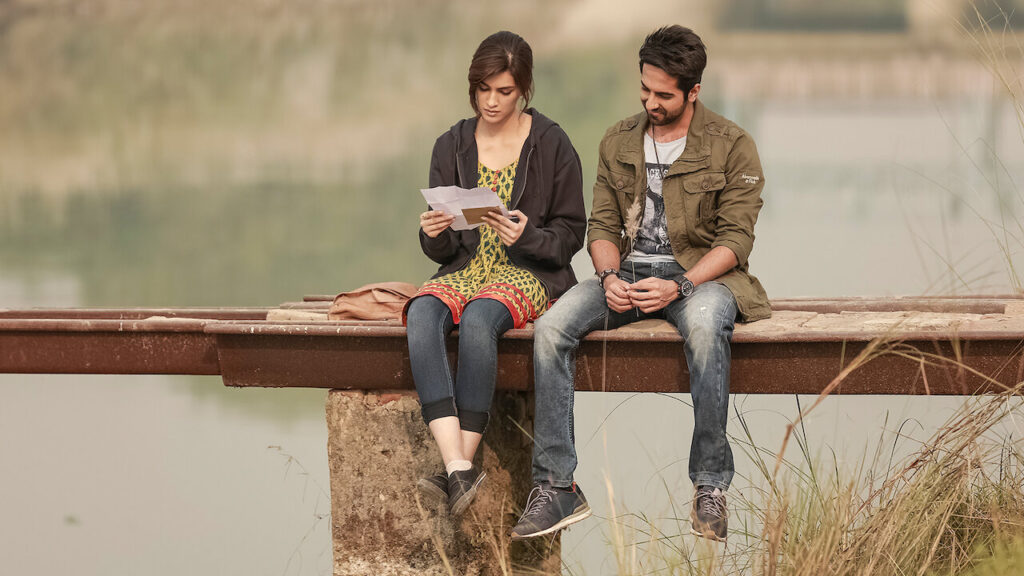
Still from Bariely Ki Barfi

Folks who’ve grown up watching cinema in Meghdoot and also relished the luxuries of Cinema in Dona Planet – the factors could trickle down to as basic a requisite like one’s idea of comfort.

A major part of our population is accustomed to watching films under that huge-arse fan in the single screen theatres and opt to head to the multiplex solely for them soothing air cons. And if one believes that families don’t tend to avail single screen film services, you’re not looking at the right scenarios.

Even today, in tier 2 and 3 cities, families find single screen theatres far more pocket and family friendly. The only space where multiplexes score are the night shows.

So there, Indian sensibilities differ in every home. Therefore, either you count them as the same set of audience or granulate separate films for each base. The former being always the feasible move.

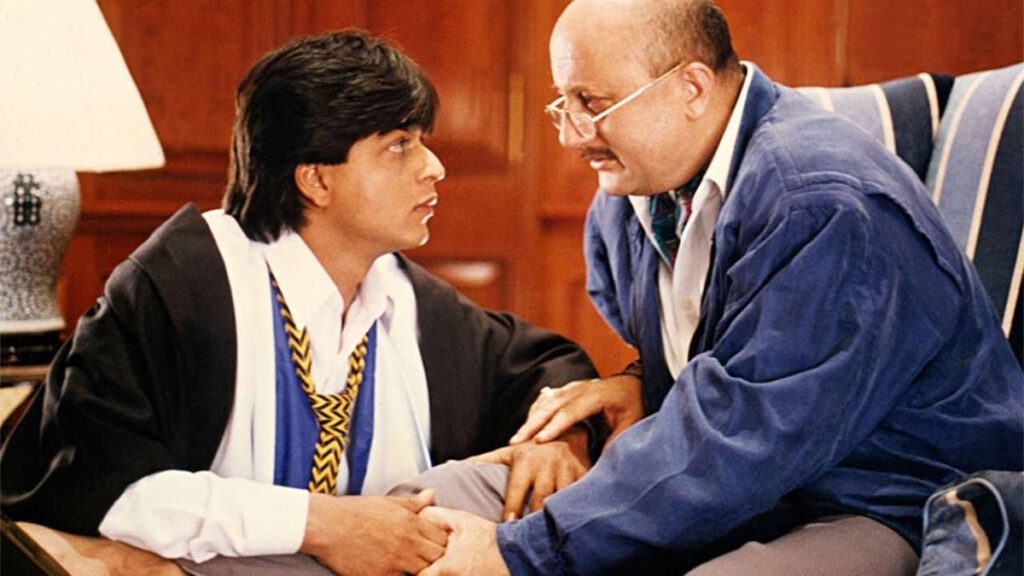
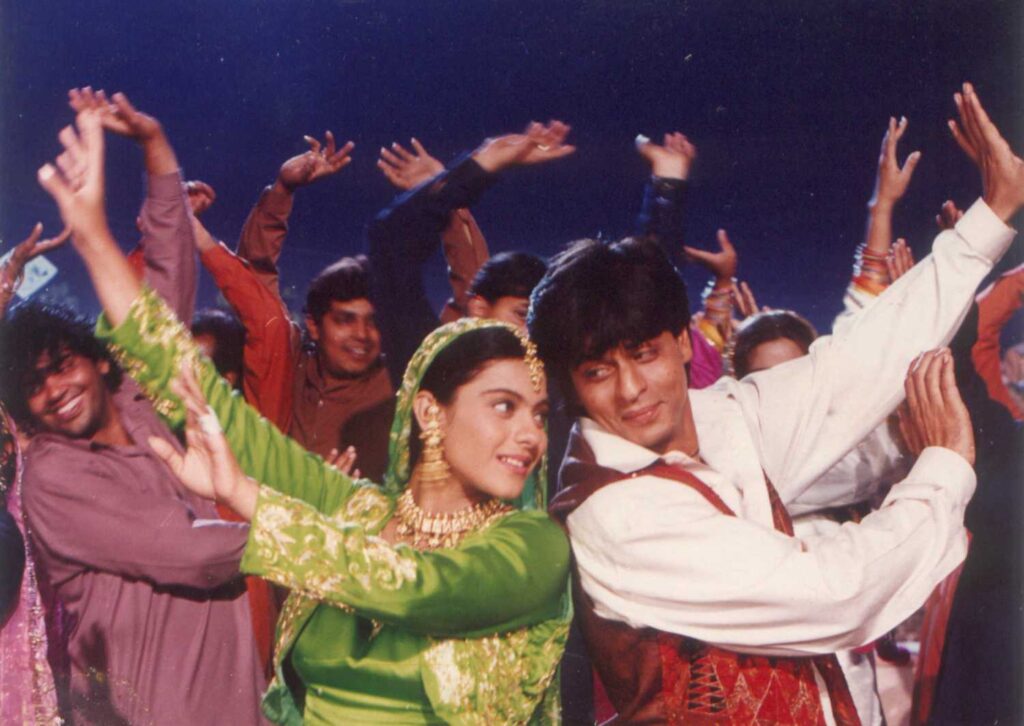
Even if you haven’t seen DDLJ, you have seen DDLJ

I think my watching of Dilwale Dulhania Le Jayenge now in 2023 should be a markedly shifted one, because while I don’t remember having seen the entirety of the 189 minute epic musical.

I have seen its derivatives, it’s countless inspirations, it’s begotten and completely irrational stepchildren in the form of the daily soaps which are still churned out utilising at least one or two of the ten or twenty tropes DDLJ introduced as well as perfected.

Its also fascinating to see how with the opening of the economy and the import-export gaining entryway into the nation by the abolishment of the license Raj, the movie was designed to cater to city kids with exposure of dozen tv channels instead of the two Doordarshans, while rural kids too had to be satisfied.

Its an engineering of storytelling, the screenplay of DDLJ, a form of compromise while simultaneously subverting.

Progressive outlook but still praising conservatism.

A film in which the Non Resident Indians (NRIs) had far more values of “Indian Culture” than previously shown in the last of the Bollywood movies of the decade of the 80’s with the Roberts and their chomping cigars and their Monicas.

All of these observations are hindsight, caused due to a result of pop culture osmosis. It doesn’t change the fact that the movie’s flaws are fatalistic and glaring, its high leaning into conservatism with Raj actually “earning” Simran instead of “stealing” her away doesn’t really account for the latter’s own freedom or her liberty to make her own choices. Also doesn’t change the fact that Raj’s “courting” of Simran will be looked at in a wildly different fashion.

But, with all of that said, why is it so popular? Why are some single screen theatres in Mumbai still running DDLJ?

Maybe because at the core of it, the movie’s efficiency of direction and the filmmaking truly stand out. Even in his debut film, filmmaker Aditya Chopra truly shows a knack of shooting splendour and colour, be it the corn fields of Punjab, be it the lush green meadows of Bern, or be it capturing the leads with all of their beauty and charm.

I have seen Kajol in countless other movies, but something about DDLJ struck me this time. She is gorgeous, at times independent, not as obnoxious as her character in Baazigar.

Shah Rukh Khan’s Raj on the other hand does need time getting used to. However, in spite of the screenplay’s myriad of issues, this is SRK’s Citizen Kane as a romantic lead.

He would always be chasing this combination of charm, vulnerability and an irascible cheekiness, and while he would come pretty close, it never truly gets replicated.

DDLJ is a time capsule, but what makes it timeless are the songs and the moments. Jatin-Lalit’s album is a true symphony of melodies while the key moments.

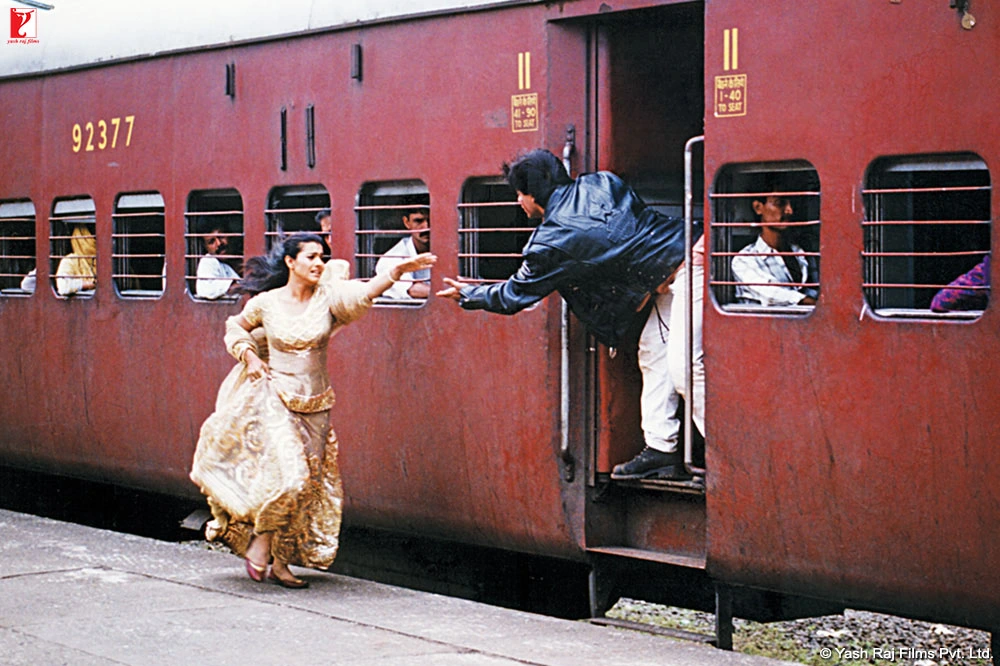
Bade bade shehron mein choti choti baate hoti rehti hai senorita or Palat or Ja Simran, jeele apni zindagi with her running towards the train trying to catch Raj’s outstretched hands are so profoundly ingrained into every Indian film watcher, that my opening statement still stands.

Even if you haven’t seen DDLJ, you have seen DDLJ.

VIDHU VINOD CHOPRA UNVEILS THE TRAILER OF THE MOST INSPIRING STORY OF THE YEAR, ’12TH FAIL’

The trailer for director Vidhu Vinod Chopra’s next directorial venture, 12th Fail, dropped today and drew an enthusiastic response from all quarters. Fans of Vinod’s distinctive brand of thought-provoking entertainers found the trailer to be ticking all the right boxes.

The trailer features Vikrant Massey in the lead and has glimpses of the protagonist’s journey from a small village in Chambal to the bustling nerve-centre of UPSC preparation in Delhi’s Mukherjee Nagar. Initial reactions suggest that viewers have been impressed by Massey’s strong performance as well as his physical transformation. The ensemble cast is also very interesting and punchy dialogues are the highlights of the trailer. Set to the tune of a rousing anthem #Restart, the film is expected to be a roller-coaster of emotions.

12th Fail, based on a real story, draws from the gritty struggles of millions of students who attempt the UPSC entrance exam. But at the same time, it goes beyond that one exam and encourages people to not lose heart in the face of failures, and to keep fighting.

Talking about the film, Vidhu Vinod Chopra said, “In today’s times, I wanted to tell a story of hope, a story of never giving up. 12th Fail is all that and more. I have laughed, cried, sung along, and had fun making this movie. I truly believe that this film will find universal connect when it comes out in theatres.”

Shariq Patel, CBO, Zee Studios, shared his excitement, saying, “We’re thrilled to partner with Vidhu Vinod Chopra. This film truly captures the ups and downs of student life, highlighting the strength and resilience of these young individuals. It’s a celebration of the spirit of our youth as they conquer challenges.”

12th Fail, a film by Vidhu Vinod Chopra, is set to release worldwide on October 27.

Mumbai Diaries S2 is of the floods and calamities but not entirely about them

Loneliness, fear and poverty are the biggest diseases. If either latches onto the other, what ensues is absolute pandemonium.

Mumbai Diaries S02 dives straight from the frying pan into the fire.

Seven months apart from the 26/11 attacks, the medical battalion at Bombay General Hospital is now doom-scrolling into the fangs of the infamous July floods of Mumbai. An unforgiving outpour that ripped the spirit of Mumbai into shreds. A ruckus ready to usurp the social and moral fabric of this hospital.

Season 2 of Mumbai Diaries puts a chokehold on the audience right from the word go. Alike logged waters, the tensile elements first leak in through the cracks to smash the fences wide open. The first season was about the doctors’ valor. This season is about their vulnerability.

Here the doctors are diseased and the common ailment is void. Each member of the hospital has a compulsion, a boundary they fail to overcome, until fate’s floodgates are let open. And once it rains, it pours. And pours. And pours.

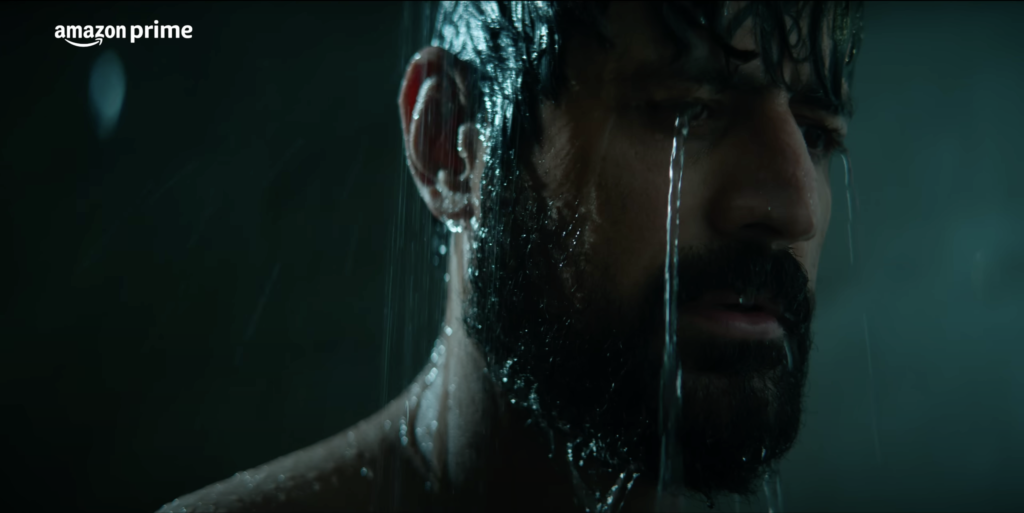
Mohit Raina’s Dr. Oberoi is stacked with the baggage of guilt and unrest. In a world where water wreaks havoc, paranoia runs Dr. Oberoi’s world dry.

Mrunmayee Deshpande and Natasha Bharadwaj get author-backed roles this time as their characters swim against the current of fate for self actualisation and self-discovery. Just like logged waters become natural habitats to leeches, the bangarang state of affairs in Bombay General Hospital favour as breeding ground for the vindictive, nefarious yet competent Dr. Saurav Chandra, essayed with all the evil gusto and cinematic droop by Parambrata Chatterjee.

You want to punch his face six inches into his head. The sly mofo act is that convincing.

It was heartwarming and fulfilling to see Prakash Belawadi and Shreya Dhanwantry’s characters do the heavy lifting of reprisal, reconciliation and reconditioning of self, with a screenplay that balances inventiveness and social commentary like butter on a knife. This season is wired with moments to reflect, relate and yet reel for more.

In a tale of woe that brought the city to a stand still, Malay Prakash’s direction of cinematography is spellbinding. Quite possibly The Invisible Nurse, his camera takes you straight into the action, this time penetrating deeper into the psyche and perils of the humane.

It gets you closer to this medley of tales about empaths, divided by class and creed but united by chaos. Every unavailable ER makes your heart pound with panic. A possible outbreak clinches your nerves and an impending pregnancy pulls a theist out of you.

Writers Yash Chettija and Persis Sodawaterwala deserve special applause for not letting the story turn into a preachy, prejudiced faux pas. Each element of the narrative yearns its own respite rather than cleansis the ethos of every living being on the planet.

Letting Sanjana voice her grievances and not fall to the lure of the protagonists taking a stand is a sign of great writers sprouting out of the right kind of human beings. Nothing could’ve worked better than the poetic and sprightly closure to Tina Desai’s Ananya as a resolve to push forward Oberoi’s character arc.

These are strong decisions that writers often fail to take. Unless they don’t fall in love with their work. Very selfless of the writing and creative team.

The music is better and far more riveting this time around. The ethereal soundscape mixes gloom and grit in the same morsel and feeds you with soul food grilled to pitch perfect temperature. Blend that with Priya Suhaass’ eerily lifelike production design and you get one of the most immersive long format experiences in recent memory.

In an ensemble as such, the course of natural selection will often distribute screen time unevenly. There’ll be powerful cameos like the one by Jamini Pathak, the reliable Dr. Cherian played by Balaji Gauri or the conniving media mistress played to perfection by Vasundhara Kaul.

Like a chessboard, everyone gets a fair share. But the most commendable and stand out performances this season are of Konkona Sen Sharma and Satyajeet Dubey, for how much and how little respectively they’re provided with to do.

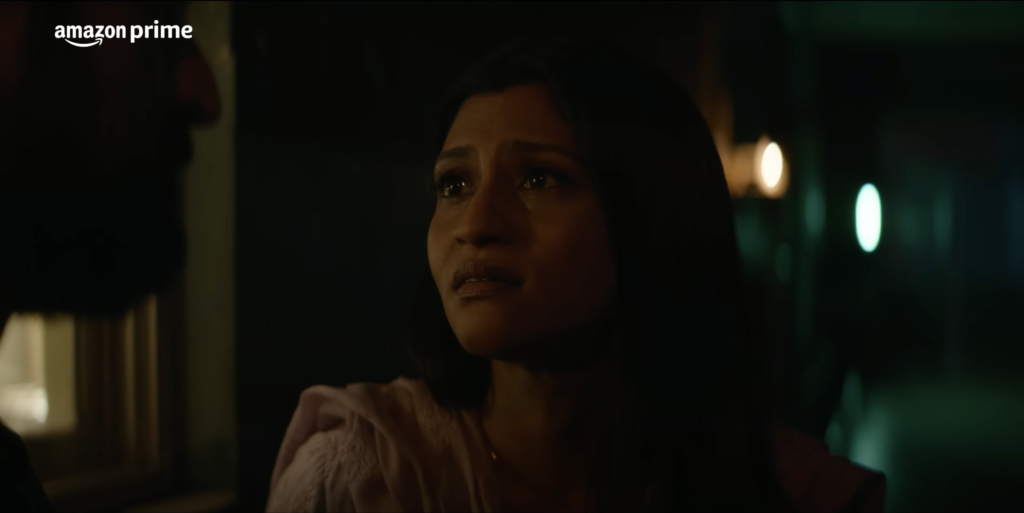
Dr. Chitra allows Konkona not only display her range but also exhibit the seamlessness with which she switches and toggles through moods. The consistency of her characters despite of emotional rebuttals is a work of fine art by a finer performer. One of the best ever to do it.

An actor’s prowess is gauged not by their flight in the excess or abundance of fuel but in the lack of it. And the best of performances stem out of selflessness, when there’s no gluttony for validation or approval.

Satyajeet Dubey is the most authentic figment of the Mumbai Diaries universe. With not much meat and meaning of his character to the bigger scheme of things, Dubey’s performance is a sounding board for all other characters. For his is the most flawed, frailest and most human character in the entire narrative. Every time a character falls to folly, there’s a bit of Ahaan Mirza in them. There’s a bit of Ahaan Mirza sprinkled all across the mood, environment of this universe. Where everyone is racing to fill a void.

Ahaan just valiantly wears his fallacies on his chest. Making him a second-self, an alter ego of every character in this story. Satyajeet Dubey is a massive credit to this industry, for he brings a type of nuance that’s not only unheard of in such brief appearances but the skillsset of a performer who has the tools to take this art form forward.

Mumbai Diaries is of the floods and calamities but not entirely about them. Strip away all the dressings, peel away the optics and you find the battle between rage and fear working inwards. When life throws a curve ball, even the most virtuous rattle for blinkers. For everyone wants the oblivion of mortality. That’s where hope sides. That’s were miracles are born.

Loneliness, fear and poverty are the biggest diseases. All cured by the same antidote – Hope.

Mission Raniganj: The Great Bharat Rescue trailer out now

And the wait is finally over! Pooja Entertainment, synonymous with gripping and engaging cinematic experiences, has unveiled the highly anticipated trailer of Mission Raniganj and it has not only lived up to its promise and hype but has exceeded all expectations! The heroic Jaswant Singh Gill played a significant role in rescuing surviving miners trapped inside a flooded coal mine in Raniganj in November 1989 which was a successful rescue mission in Bharat against all odds.

The recently released motion poster of Mission Raniganj had already piqued immense curiosity among audiences, eagerly anticipating this gripping rescue thriller based on a real-life story.

The trailer, which is nothing short of a cinematic spectacle and edge of the seat experience, lives up to the tremendous hype that has surrounded the film. It is a roller-coaster ride of emotions, drama, inspiration, courage, and soulful music, all beautifully woven together with terrific performances from the cast.

The rescue thriller starring Akshay Kumar and Parineeti Chopra, boasts the massive cast and promises to be the most remarkable coal mine rescue operation ever depicted on the silver screen.

One of the major highlights of the trailer is the brilliantly shot water sequence featuring Akshay and the impressive cast giving us a glimpse into the rescue mission. Each frame also showcases the great ensemble of talented cast supporting Akshay’s character Jaswant Singh Gill in every frame, which is truly heartwarming! It’s a nail-biting and edge-of-the-seat experience that will have viewers hooked from start to finish.

Producer Deepshika Deshmukh adds, “I am absolutely thrilled to present the trailer of ‘Mission Raniganj.’ This film has been lots of brainstorming sessions with tech teams , hard work and meticulous planning , and I couldn’t be happier with the way it has turned out. It’s an inspiring story that needs to be seen, felt, and celebrated on the big screen. I can’t wait for the audience to experience the heart-warming journey of courage, human spirit and determination that ‘Mission Raniganj’ offers.”

Director Tinu Suresh Desai adds, “As a filmmaker, I feel happy and extremely proud to showcase the trailer of ‘Mission Raniganj’. It talks about the relentless spirit and determination of the human spirit. I’m eagerly looking forward to sharing this thrilling and inspiring tale with audiences on the big screen.”

Starring Akshay Kumar, Parineeti Chopra, Kumud Mishra, Pavan Malhotra, Ravi Kishan, Varun Badola, Dibyendu Bhattacharya, Rajesh Sharma, Virendra Saxena, Shishir Sharma, Ananth Mahadevan, Jameel Khan, Sudhir Pandey, Bachan Pachera, Mukesh Bhatt and Omkar Das ManikpuriMission Raniganj is an ode to the resilience, determination, and valor of the human spirit and engineering minds. The film also marks Tinu Suresh Desai’s next thriller after Rustom, which won Akshay Kumar his first National award and the team massive critical and commercial acclaim.

Produced by Vashu Bhagnani, Jackky Bhagnani, Deepshikha Deshmukh and Ajay KapoorMission Raniganj: The Great Bharat Rescue is directed by Tinu Suresh Desai and music on Jjust Music. The coal mine accident that shook the nation and the world, and the relentless efforts of the rescue team led by Jaswant Singh Gill, will be released in theatres on October 6th 2023.

THE ROYAL SHAKESPEARE COMPANY’S THE EMPRESS TRANSFERS TO THE LYRIC HAMMERSMITH THEATRE THIS AUTUMN

This autumn the Royal Shakespeare Company brings their acclaimed play The Empress by  Lyric Hammersmith Theatre Artistic Associate Tanika Gupta to the Lyric for four weeks only from 4 October.

Transferring directly from the Swan Theatre in Stratford-upon-Avon and directed by Pooja Ghai, Artistic Director of Tamasha, this new production of The Empress takes you from the rugged gangways of Tilbury docks to the grandeur of Queen Victoria’s Palace, whilst unveiling the long and embedded culture of British Asian history.

The Empress was written by Tanika Gupta. The production is directed by Pooja Ghai with Design  by Rosa Maggiora. Lighting is by Matt Haskins, Music and Sound by Ben and Max Ringham, Movement by Wayne Parsons, Dramaturgy by Pippa Hill, Fights and Intimacy by Rachel Bown- Williams and Ruth Cooper-Brown, and Casting by Matthew Dewsbury CDG and Martin Poile.

Rachel O’Riordan, Artistic Director of the Lyric Hammersmith Theatre said: “We’re so excited to be welcoming the Royal Shakespeare Company’s production of The Empress by our very own Artistic Associate, Tanika Gupta and directed by Pooja Ghai. This is an exciting time for West London, we are so pleased to host the RSC here in Hammersmith for this sweeping story through British Indian history.”

The Empress is another impressive play in Tanika Gupta’s ever-growing canon of work. Tanika’s acclaimed adaptation of Ibsen’s A Doll’s House opened my first season here at the Lyric in 2019. We are honoured to be the London home of this epic production that unveils the long and embedded culture of British Asian history in nineteenth century Britain and we cannot wait for audiences to see this story come to life in our beautiful Victorian Frank Matcham Theatre.”

Spanning 13 years over the ‘Golden Era’ of Empire, this story blends the experiences of Indian ayahs (nursemaids) and lascars (sailors) who worked on the ships carrying trade goods, alongside the first Indian politician to be elected as a Member of Parliament.

It is 1887, the year Queen Victoria celebrates her Golden Jubilee.

Sixteen year old Rani Das, ayah (nursemaid) to an English family arrives at Tilbury docks after a long voyage from India, to start a new life in Britain. On the boat, Rani befriends a lascar (sailor), Dadabhai Naoroji, an Indian politician, and Abdul Karim, a royal servant destined to serve the Queen. Full of hopes and dreams of what lies ahead, they each embark on an extraordinary journey. 

Will their expectations come true or will they have to forge a different path in their new country?

Tanya Katyal plays Rani Das. Her theatre credits include When Mountains Meet at Cottiers Theatre, Glasgow. Television credits include Netflix’s Eternally Confused and Eager for Love.

Raj Bajaj plays Abdul Karim. Raj’s previous RSC credits include Tamburlaine, Tartuffe and Much Ado About Nothing. Other recent theatre credits include Wildfire Road (Sheffield Crucible), Tartuffe (Birmingham Rep), Hobson’s Choice (Royal Exchange Manchester), Rapunzel (Stratford East), Lions & Tigers, The Merchant of Venice (Shakespeare’s Globe), East is East (Northern Stage/Nottingham Playhouse) and Bend It Like Beckham (Phoenix Theatre).

Alexandra Gilbreath plays Queen Victoria. She is an Associate Artist of the Royal Shakespeare Company, where her credits include; The Provoked Wife, The Rover, Shakespeare Live!, A Midsummer Night’s Dreaming, The Merry Wives of Windsor, Twelfth Night for which she received an Olivier award nomination-for Best Supporting Actress, Merry Wives – The Musical, The Taming of the Shrew, The Tamer Tamed, As You Like It, Romeo and Juliet, The Winter’s Tale, Cyrano de Bergerac, Ghosts, The Country Wife, Love’s Labour’s Lost. Other theatre includes; The Sugar Syndrome at the Orange Tree; The Fever Syndrome, Mother Christmas at Hampstead Theatre Downstairs; The Lie at Menier Chocolate Factory; Dessert at Southwark Playhouse; The Wars of the Roses, Hayfever at the Rose Kingston; The Invisibles at the Bush; A Midsummer Night’s Dream for Hong Kong Philharmonic; The Village Bike, Disappeared at the Royal Court; Shallow Slumber, God’s Dice at Soho Theatre; Othello at Sheffield Crucible; and Playhouse Creatures at Chichester Festival Theatre.

Screen credits include; Becoming Elizabeth, EastEnders, Father Brown, Casualty, WPC56, In Search of Shakespeare, Rites of Passage, Inspector George Gently, The Commander, The Waltz King, Happiness, The Project, Trial and Retribution, Midsomer Murders, Absolute Power, Life Begins, The Bill, Monarch of the Glen, Out of Hours, A Wing and a Prayer, The Art of Love, Lair, Warhol, Dead Babies, The All Together, A Hundred Streets and Tulip Fever.

Completing the company are: Francesca Faridany (Lady Sarah), Aaron Gill (Hari), Anyebe Godwin (Serang/Lascar), Miriam Grace Edwards (Charlotte/Susan), Oliver Hembrough (Lord John Oakham/William/Painter), Avita Jay (Firoza), Tom Milligan (Freddie/Ensemble), Sarah Moyle (Mary/Susan Matthews), Chris Nayak (Jinnah/Singh), Lauren Patel (Ruby/Asha), Simon Rivers (Dadabhai Naoroji), Anish Roy (Gandhi/Lascar), Nicola Stephenson (Lascar Sally), Premi Tamang (Lascar/Ayah), and Joe Usher (Lascar).

Tanika Gupta has written over 25 stage plays that have been produced in major theatres across the UK. Her critically acclaimed adaptation of Ibsen’s A Doll’s House set in colonial Calcutta launched Rachel O’Riordan’s first season as Artistic Director of the Lyric in 2019. She was awarded an MBE for Services to Drama and is a Fellow of the Royal Society of Literature. She is an Artistic Associate at the Lyric and was recently announced as one of two    new Writers in Residence at the Bush Theatre in 2023.

Pooja Ghai is Artistic Director of Tamasha, and artistic associate at Kali. Prior to this she was Associate Director at Theatre Royal Stratford East. Her most recent directing credits include Hakawatis and Lions and Tigers at the Sam Wanamaker Playhouse; Lotus Beauty at Hampstead Theatre; Seriously Annoying by Mark Thomas for Tin Cat Productions, 2020 at Tara Theatre, Approaching Empty at the Kiln (Tamasha/Kiln/Live Theatre) and Rapunzel, Counting Stars and House of in Between at Theatre Royal Stratford East. Awards include Best Director for Lions and Tigers at the Eastern Eye Arts, Culture and Theatre Awards (ACTA) in 2017. Pooja is a Dramaturg for Voxed, Meeting, Out Late, Vestige and It’s Not Me.

The playtext was recently added to the GCSE drama syllabus following a campaign aided by participation from the RSC’s Youth Advisory Board and is now one of four new plays by writers of the global majority to better reflect the diversity of playwriting in the UK. The text was introduced by AQA in 2022, the largest examination board in England. Tanika’s 2019 production of A Doll’s House was previously added to the national curriculum by Pearson in 2021 alongside works by Bola AgbajeIn-Sook Chappell and Roy Williams.

YOUNG LYRIC

In response to The EmpressYoung Lyric will create a series of teacher CPD sessions for secondary schools across West London which examines Gupta’s text and curriculum links. The production will be accompanied with a complimentary teacher’s guide exploring The Empress as a set text on the AQA Drama curriculum, this guide will be created in collaboration with RSC Education.

Have you heard the new title track from ‘Fukrey 3’?

The cheerful and upbeat song “Ve Fukrey” from the movie Fukrey 3 is out now. The actors
from the film, including Pulkit Samrat, Varun Sharma, Manjot Singh and Pankaj Tripathi,
are featured in the song, sung by Dev Negi and Asees Kaur and choreographed by Bosco
Martis.

Tanishk Bagchi has composed the soundtrack of the film with lyrics of “Ve Fukrey”
by Shabbir Ahmed.

Fukrey 3 has an ensemble cast, where Pulkit Samrat, Varun Sharma, Manjot Singh, Richa
Chadha, and Pankaj Tripathi return in their previous roles, as is the third instalment of the
renowned Fukrey series.

The previous Fukrey soundtrack had Sona Mohapatra’s rendition of the song Ambarsariya, which became an instant smash.

Excel Entertainment production presents Fukrey 3, produced by Ritesh Sidhwani and
Farhan Akhtar, co-produced by Kassim Jagmagia and will hit the silver screen on 28th
September, 2023.

Watch the trailer for Fukrey 3 here: