Stories

’55 km / sec’ is a reminder of lockdown 2020, except it IS the end of the world!

2020 may be remembered as a challenging year that pushed the human race out of their comfort zones, but it will also be cherished as the time when we learned (or re-learned) the value of life.

It was a time when we slowed down.

When we went back to basics, re-evaluated our priorities and became more mindful of the simple joys of life.

Be it cooking meals at home, connecting with old friends, going through old photo albums, cheering for our heroes and even becoming more sensitive… because we were all in it together!

55km/sec is a reminder of that time, except it’s not a virus – it is the end of the world!

There is no vaccine to save humankind.

There is no light at the end of the tunnel.

There is no tomorrow to look forward to.

It is the last day on Earth and life, as we know it, is coming to a definitive end.

Still from 55km/sec

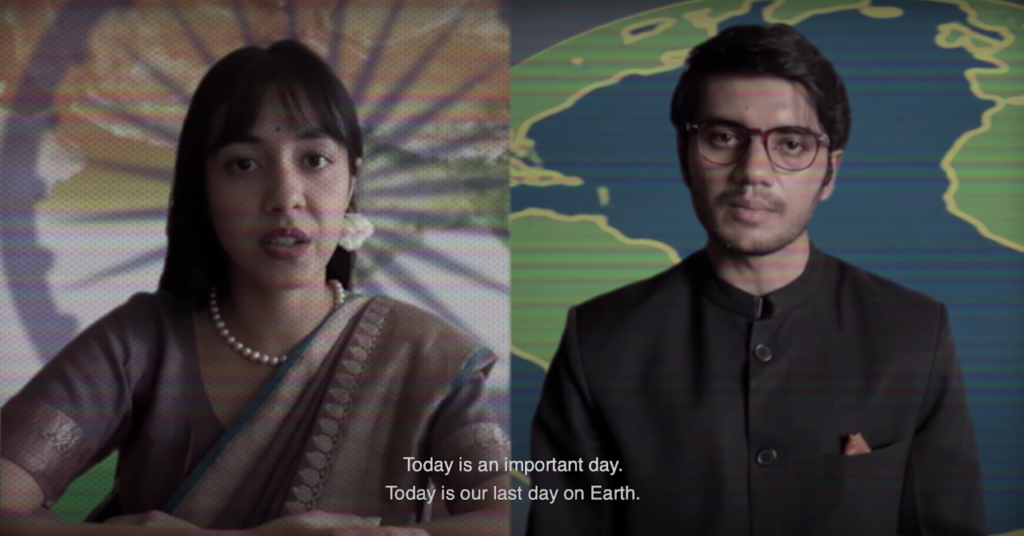
The film is opens setting the premise by two news presenters who brief us about a meteor approaching the Earth that will destroy the planet.

They share updates from the authorities, safety protocols and end their broadcast by announcing the end of Earth scheduled at 3PM.

Still from 55km/sec

55 km/sec follows the last day of Suraj (Mrinal Dutt) who has been denied access to a specialized safety bunker.

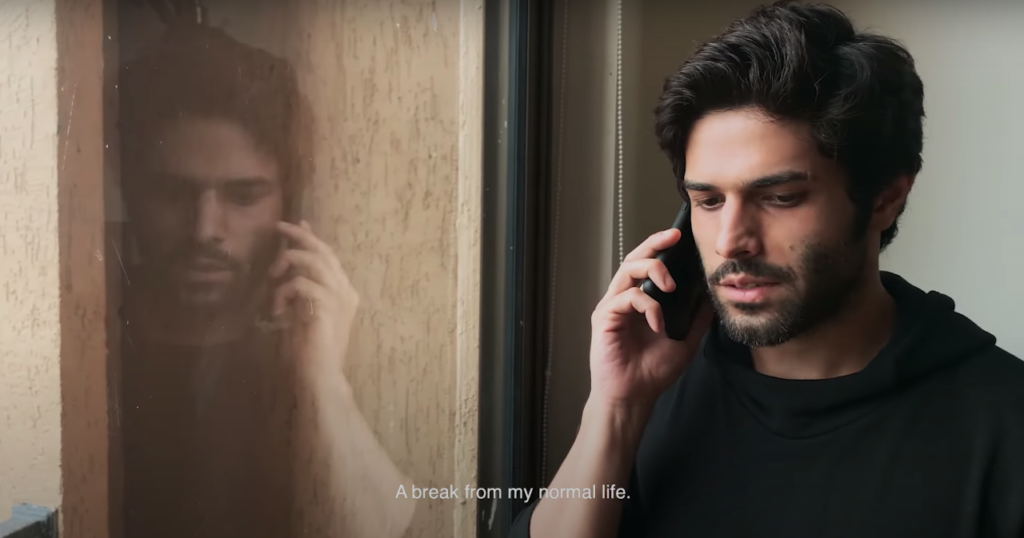
He goes about his day shopping for groceries, feeds the strays on the road, has lunch on the rooftop, talks to his father on the phone… and then takes a risk moments before the apocalypse.

Note: I won’t elaborate the plot further at the risk of giving away spoilers.

Still from 55km/sec

Written by Arati Kadav and Zain Matcheswalla, 55 km/sec is an intense film that uses a minimalistic approach to set the mood.

Over a duration of 22 minutes, we get an overview of Suraj’s entire life – his personality, family dynamics, friends and his values. 

Shot during the lockdown of 2020 in India, Kadav manages to capture perfect visuals to establish the tone of the film.

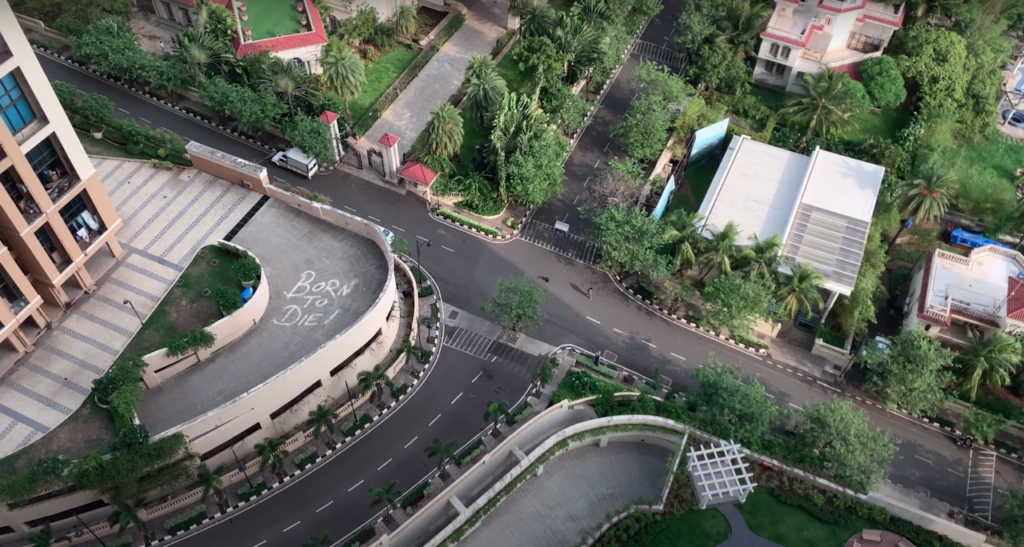
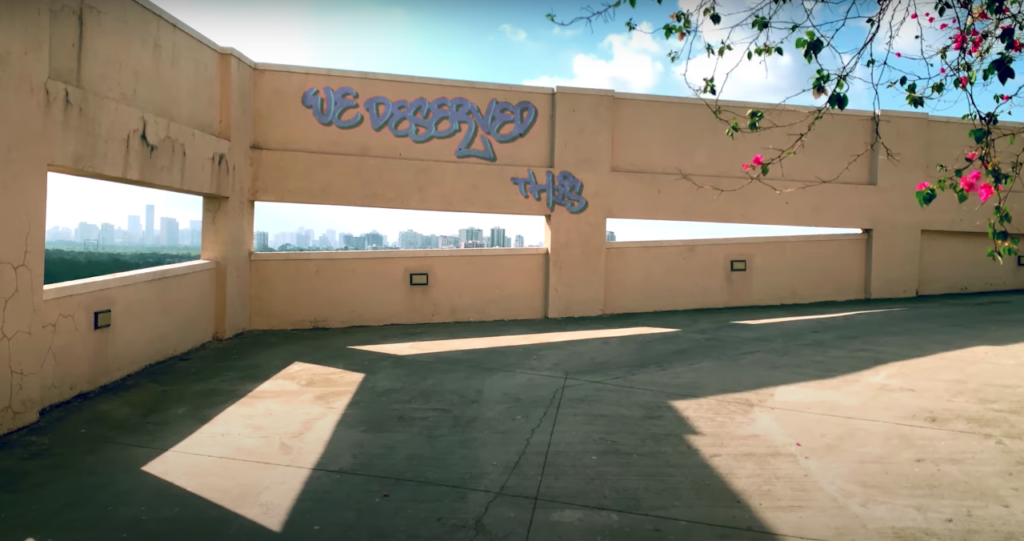
The empty roads, graffiti on walls, haunting silences – all ensuing a sinking feeling of the calm before a storm (literally).

Still from 55km/sec

The film will make you revisit all the emotions from the 2020 lockdown – discomfort, empathy, vulnerability, introspection and a sense of urgency to get to the finish line.

The only inaccuracy is the different times displayed on Suraj’s phone when he’s on call with his father and the clock in his kitchen.

Also, the time seen in both places is past 3PM, which is the scheduled time for the catastrophe. An extremely negligible oversight. 

Popcorn Rating: [4/5]

Watch 55km/sec for a glimpse into the unforeseeable future, the art of simple yet edgy storytelling, and a touch of quirky sci-fi in signature Kadav style!

Director: Arati Kadav
Writers: Arati Kadav & Zain Matcheswalla
Cast: Richa Chadha & Mrinal Dutt
Streaming Platform: YouTube & ShortFilmWindow

‘Mere Desh Ki Dharti’ is about farmers and what they are going through: Divyenndu Sharma

Actor Divyenndu Sharma shares the first look of his next film titled Mere Desh Ki Dharti on India’s 72nd Republic Day.

The film is a humorous yet inspirational take on the lives and journey of young engineer friends from being abject urban failures to icons of rural India.

Speaking of the film in an interview last year, Sharma had said:

“The film ‘Mere Desh Ki Dharti is about farmers and what they are going through and how we can help them. I am playing a city boy, who is an engineer and how he accidentally reaches a village and sees what these guys are going through and tries to help them. It is a journey, where he also realizes a lot about life.”

Divyendu Sharma

He further added, “This film is very very close to my heart and that’s why I am very protective about this film. I really want this film to reach out to as many people as possible, especially the farmers so maybe whatever we have done in the film if that could inspire them, not solve but assist them in any way in their problems would be a great thing, a great start.”

Directed by Faraz Haider, Mere Desh Ki Dharti also stars Anant Vidhaat Sharma, Anupriya Goenka along with Inaamulhaq, Brijendra Kala, Rajesh Sharma, Atul Shrivastava, Farrukh Jafar amongst others in significant roles.

The film wrapped shooting in October 2020 in Bhopal and is scheduled to release later this year.

‘Tandav’ – Public Review – As a viewer you feel cheated

[Written by Suddhasattwa Bose]

Wait !! It start with farmers’ protest and you are like – was that an after thought just to lend some credibility !

According to reports, the show was done much earlier and got an even delayed streaming. A little later, it’s revealed the context is different and the drama gets going. Or does it really take off?

Unfortunately NOT!

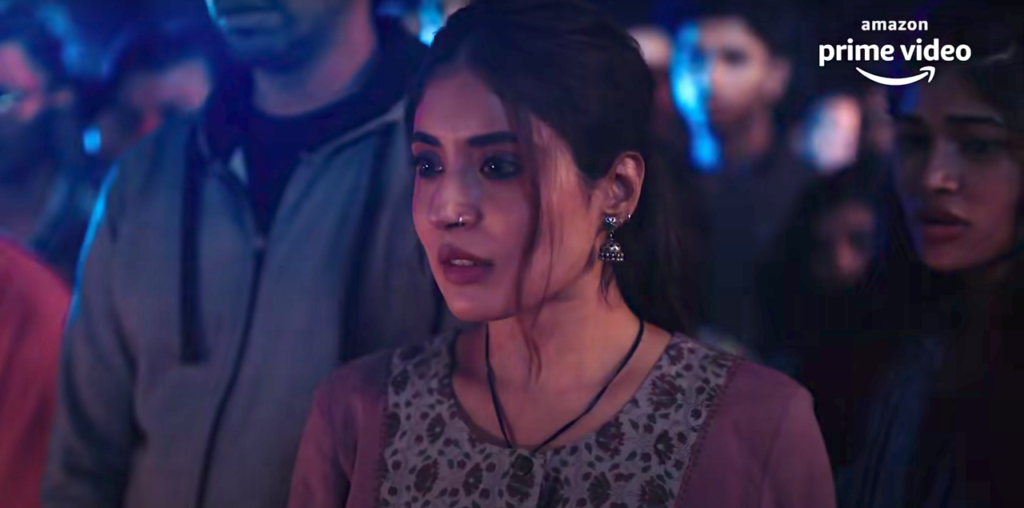
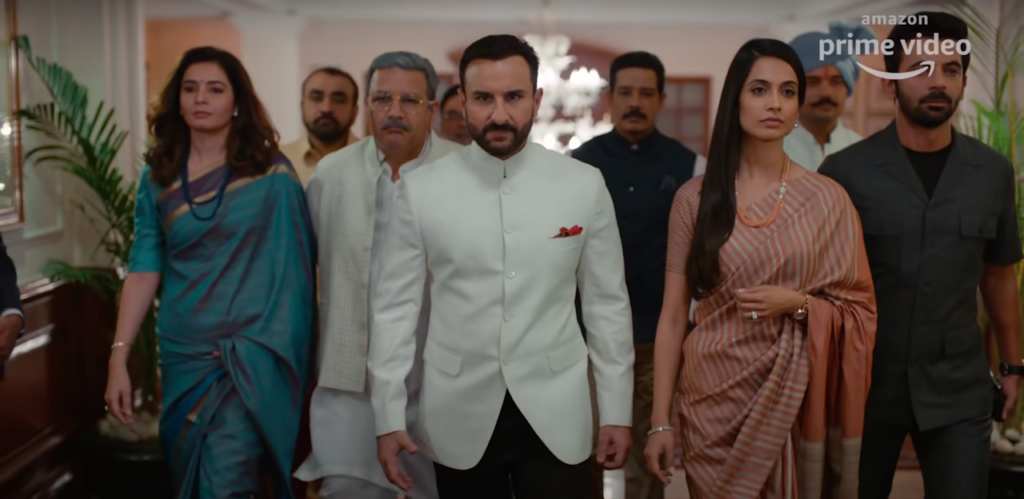
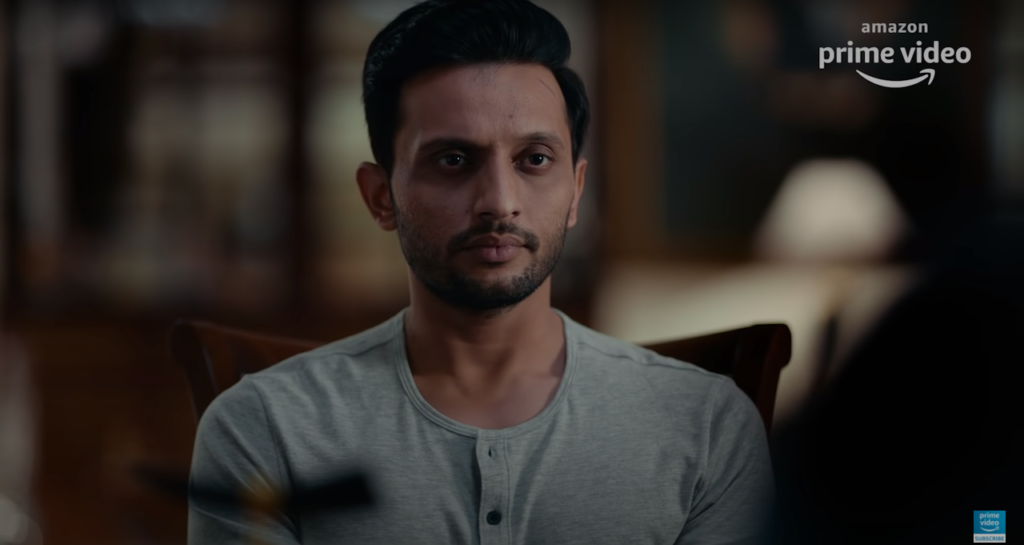
Scene from Tandav

Instead of dynasty politics, the show successfully blends in students’ movement in the narrative, yet there’s a sense of déjà vu throughout.

Familiar characters, flat narration, total lack of punch that elevates a theme like this and a climax that’s less of a cliffhanger and more of a damp squib – Tandav remains half hearted throughout.

The show did have its moments though.

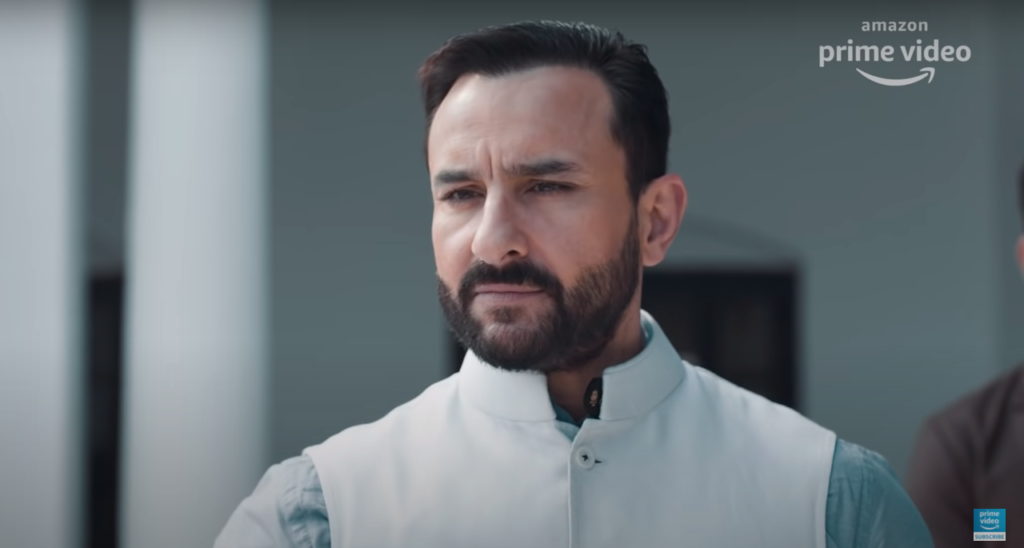
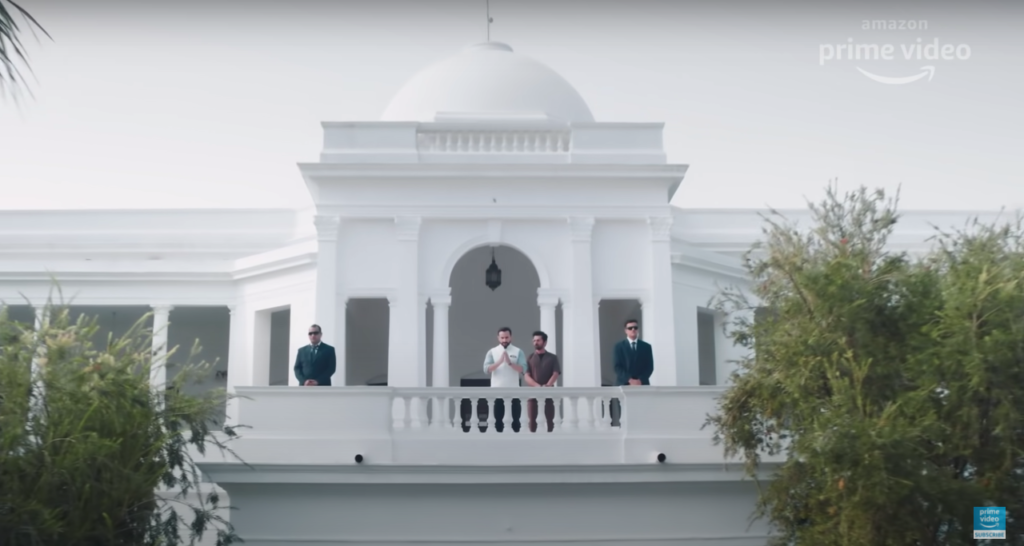
Scene from Tandav

Initial few episodes have one particular scene in each that’s meticulously done and makes you root for the show. Unfortunately, the thread doesn’t continue till the end.

The edit, with juxtaposition of different scenes with varying moods was quite good. But when your narration is so flat, it hardly helps. Even the dialogues, fresh and laced with some punch, sounds too dated.

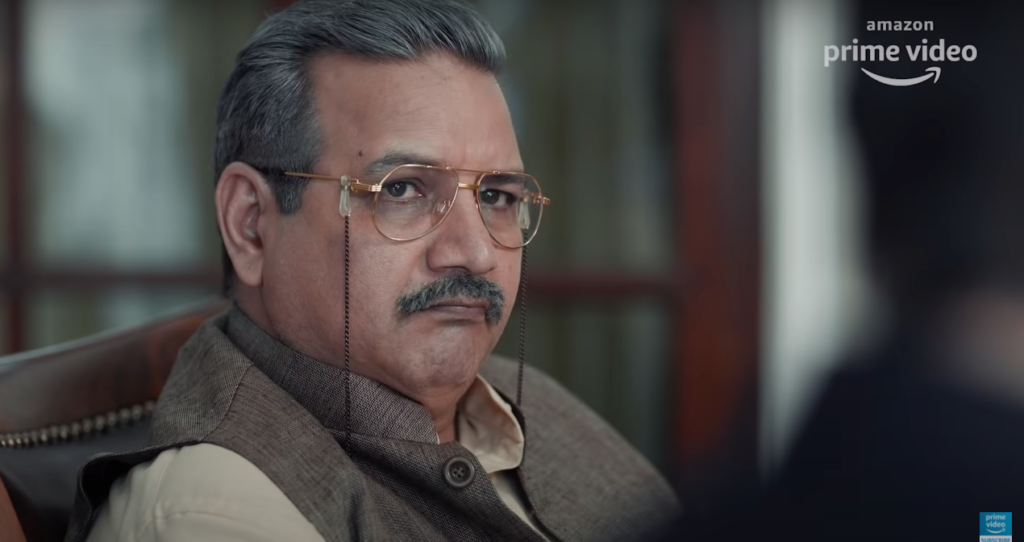
Scene from Tandav

Priya Prakash Varier and her epic wink is a thing of the distant past and you hardly get that kick you’ve been waiting for.

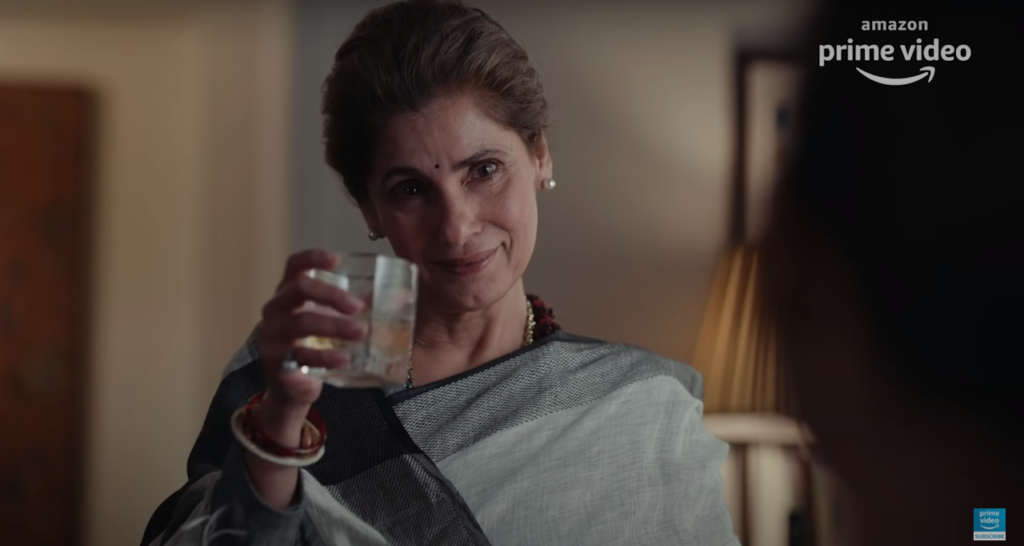
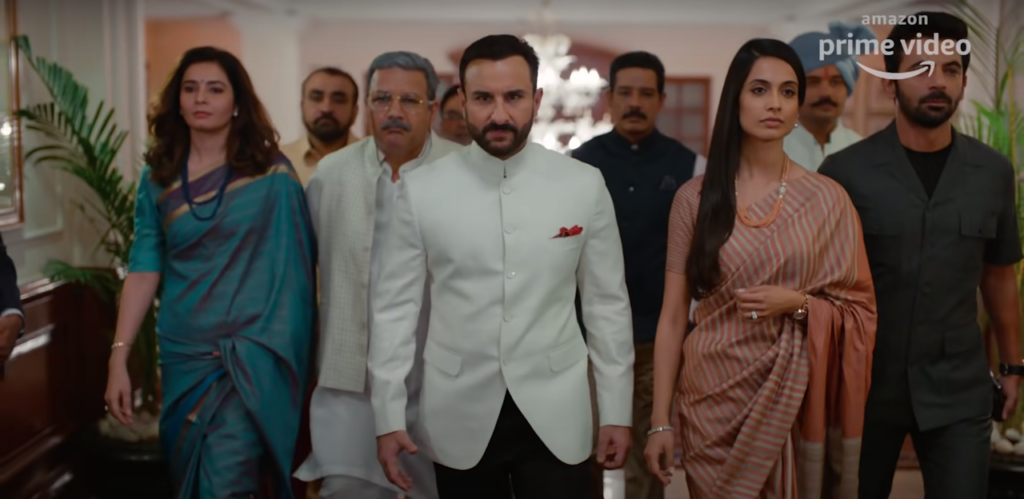
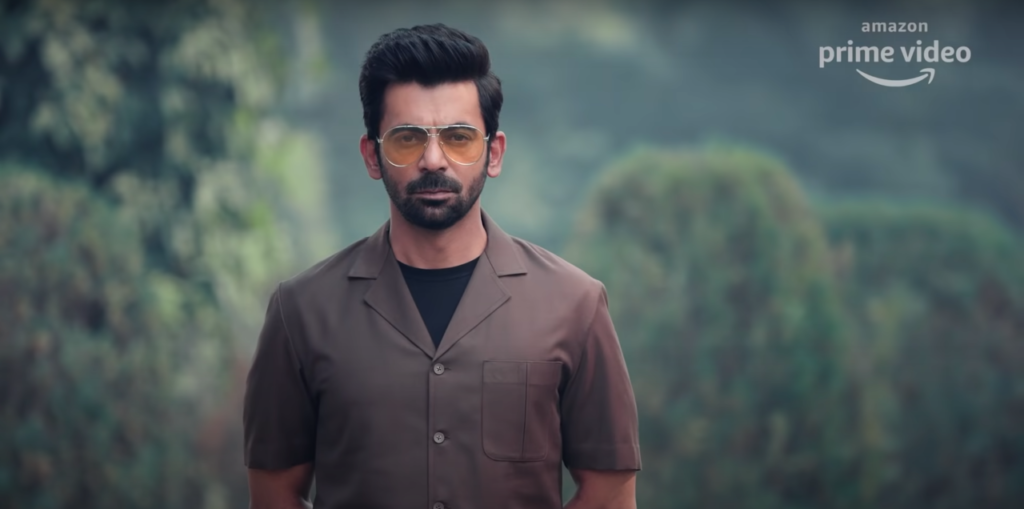
The entire cast is excellent though with special mention for Kritika Kamra (Sana), Mohd. Zeeshan Ayub (Shiva Shekhar), Rajeev Gupta (Inspector Narandra Jhakar) and Sunil Grover (Gurpal).

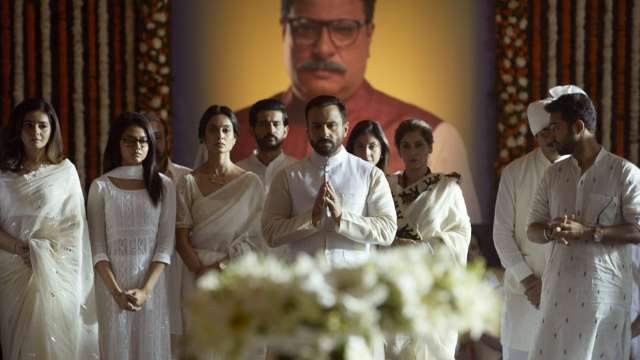
Scene from Tandav

In isolation, it might pass off as a one time watch, but with shows like Sacred Games, Paatal Lok, Scam 1992 that have set the benchmark so very high, as a viewer you feel cheated.

Tandav is streaming on Amazon Prime.

NOTE: THE VIEWS AND OPINION EXPRESSED IN THIS ARTICLE ARE THOSE OF THE AUTHOR.

‘Tandav’ – The problem isn’t the narrative. It’s the premise.

[Written by Somdeb Roy]

Tandav is a victim of its flavour.

Oscillating wayward between its hero content intent and hygiene content roots. I’ll not talk about what it could’ve been and rather try to express how it is.

14 years ago, Vishal Dadlani and Himesh Reshammiya had a televised spat over the nature of a contestant on their show named Musarrat [Abbas]. A folk singer whom Dadlani wanted to turn versatile but Himesh wanted to turn into an expert of Sufi music. Tandav is the second coming of Musarrat.

A mainstream director urged to do better. Push the envelope a little bit. While the world can be Vishal Dadlani to him, I however, choose to be Himesh in this parlance. No jack of all trades. I’d rather have a master of one.

Scene from Tandav

The show lacks depth because it’s evidently a 2hr 40 min film stretched into a streaming show.

It relies on formulae to sustain audience retention hence overspends on exposition. The problem isn’t the narrative. It’s the premise.

The show is a lovechild of Rajneeti and Race. Two worlds you wish better not collide. But they do and the lag sets in.

First three episodes are highly snackable and consumable. Ranging around 37-40 minutes, the show seems like a quick binge. But again, the premise called for more. And Zafar’s Tandav ran out of gas.

I want to commend writer Gaurav Solanki’s efforts for trying to fill a paper-thin plotline with nuance and subplots. But the story is like a phoney social activist you can smell of pretence from a mile. By the time you reach the sixth episode, you the viewer, runs out of interest.

Scene from Tandav

If you ask branded content writers the trick to write a good concept note for the client/verbose, they’d show you two pages of jazz made out of a shoddy brief. When you don’t have content, the communication gets too verbose.

Tandav has too much talking and occasional actions. A drama that isn’t dramatic enough to keep you plugged in. The stakes aren’t as high as the universe of the show warrants to.

A new prime minister’s election is treated like a game of musical chairs. Everything in this world happens over a phone call, where no one records a conversation as evidence or a vile death threat is discussed over tea.

There’s no escalation. Just two families going back and forth to quench their thirst of vengeance. Interesting logline. But commonplace. Even the Mahabharata revolves around similar dynamics.

Scene from Tandav

This isn’t a bad show. It’s a half-assed one. Even though a bummer, Tandav has firebrand performances by Dimple Kapadia, Kumud Mishra and Shonali Nagrani. So good to see Shonali come all the way from being an anchor on Zoom to sufficing whatever part was given to her.

Dimple Kapadia is a powerhouse. Experience driven by will to reinvent oneself. I was surprised to see Dino Morea pull off a decent performance as Professor Jigar.

Scene from Tandav

My hopes were let down by Mohd. Zeeshan Ayub who maintains a “Abey mera batua kaha hain?” expression throughout the show.

As foreseen, Sunil Grover has the standout performance mostly because people have seen him as the face of tomfoolery and here it’s a straight-jacket character. Not a great performance. But a sneak peek into the man’s core abilities as an actor. He deserves manifolds more.

The only smart moment of the show is the introduction and establishment of I.T. cells. Very well placed in an otherwise ruckus.

The BGM is good. It’s slick. But they use it enough to make it sound like a jumpscare made of candies.

Scene from Tandav

Ali Abbas Zafar deserves credit for at least trying to break his own shell. The central issue of the show is while watching it, you realise it’s made by the guy who made Sultan, Tiger Zinda Hai and Bharat. His hands are stained with mainstream mediocrity and the stink does rounds around every episode. But he at least tried to break his own status quo.

The complications of a live streaming show are the deals you have to crack with a platform to get a project lit. Platforms mostly ask you for a horizon of 2 seasons, if not 3.

Tandav had the additional slow burn because there’s more to it. Which wasn’t compulsory. What platforms also need to understand and comprehend is that commerce can’t dictate creativity.

Had this been a standalone, one-off show, the take and arcs could’ve been different. Alas, for most makers, creating the first season is to bite the bullet of limited funds, wicked timelines and rushed deliveries. A chunk of which gets reflected in Tandav. It didn’t need a franchise.

A solo show or a film format could’ve helped. But it was what is was sanctioned to be. And that’s not a pretty sight.

Scene from Tandav

Vishal Dadlani and Himesh Reshammiya’s verbal SmackDown for Musarrat did nothing for the guy. He’s nowhere to be found. Neither Dadlani nor Reshammiya gave him a break. Two polar thoughts, none redeemed to action. 14 years forth, Tandav is the Musarrat that’s lost in the middle of nowhere, intellectualised for no reason by its novel intent and mainstream roots.

But I don’t want Ali Abbas Zafar to relinquish the idea of foraying into OTT. He just needs to line aside the MBAs and their SWOT analysis and create what his heart tells him to. Else, public Tandav machate rahegi.

Toh mujhe tere ghar mein storytelling chahiye. Packaging nahi chahiye.

Tandav is streaming on Amazon Prime.

NOTE: THE VIEWS AND OPINION EXPRESSED IN THIS ARTICLE ARE THOSE OF THE AUTHOR.

‘Pieces of a Woman’ is about the cascading effects of grief

[ Written by Shreehari H. ]

The bridge is incomplete.

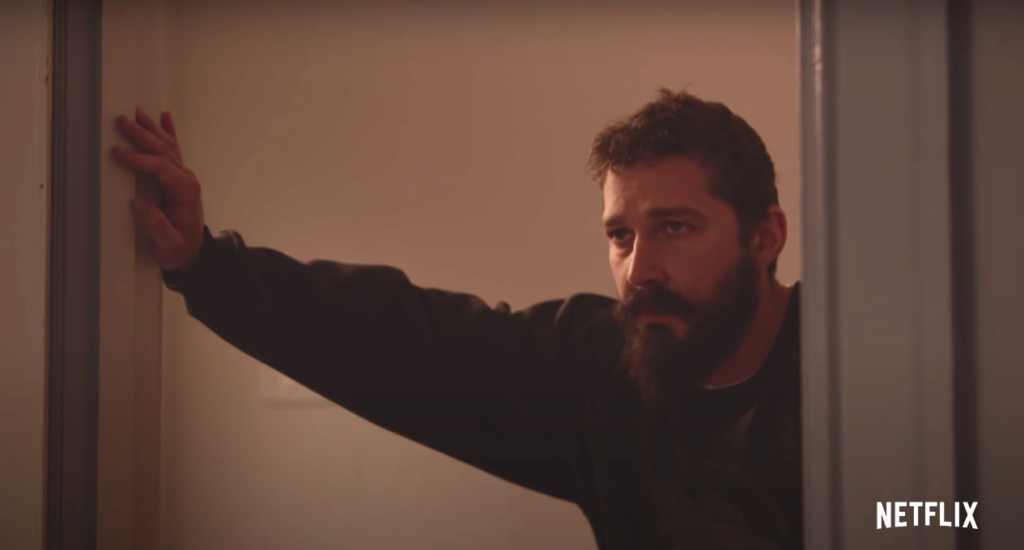
Bostonian construction worker Sean Carson (played by Shia LaBeouf) has promised his as-yet unborn daughter that hers will be the first feet to cross this concrete beast: his missus, Martha Weiss, has been expecting for the better part of a year.

The air is rife with anticipation and prenatal discussions. At one point during a baby shower, the mother nonchalantly eats away at a sugary little infant head on her plate. There’s no foreshadowing yet of an impending tragedy that looms ever so slightly in the distance.

In the case of this happily wedded couple, death is destined to precede life.

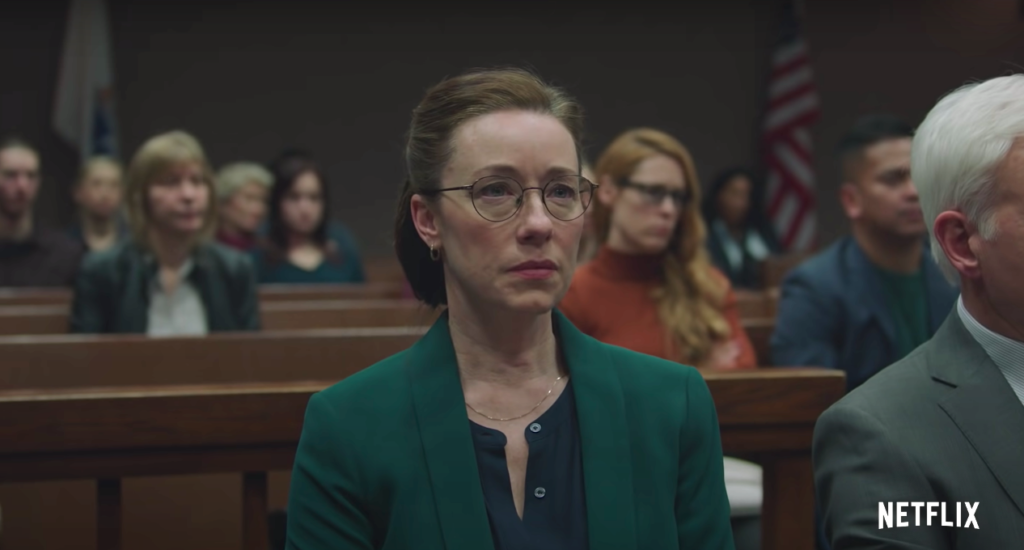
Pieces of a Woman is about the cascading effects of grief.

Directed by Hungarian filmmaker Kornel Mundruczo, it’s a somber yet masterful tale of fractured lives and emotional solitude, of repercussions and the importance of moving on. The film doesn’t downplay the fact that depression can be a recursive, self-perpetuating ailment, and that time doesn’t necessarily heal all wounds.

In this, it stands as a most worthy companion piece to Kenneth Lonergan’s Manchester By The Sea, and the cold, dreary climes in the film mirror the icy humanity of its narrative.

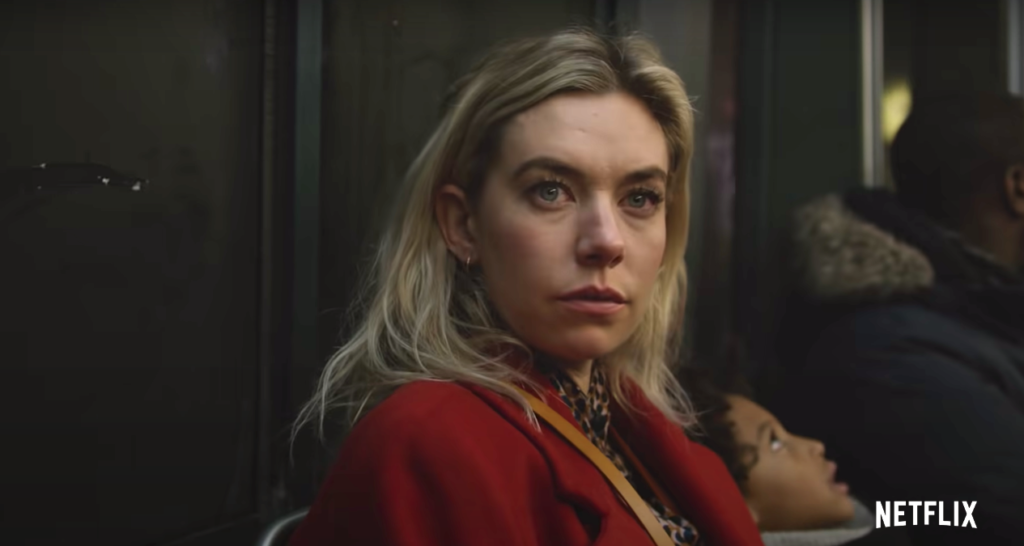
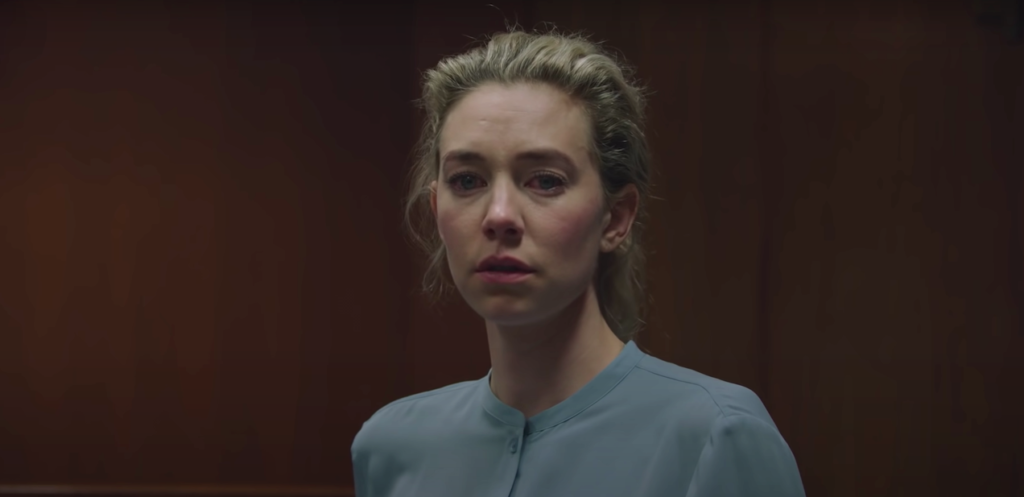
Vanessa Kirby is terrific at playing embittered, grieving characters with an unshakeable sense of agency, and her portrayal of a would-be mother in mourning is an absolute knockout.

Of all the possible choices that a parent might need to make over the course of his or her lifetime, having to shortlist the typography to be used in a child’s epitaph must rank among the absolute worst, and the British actress is spot on when it comes to capturing the physicality of bereavement.

Martha gets reduced to a hollow, gaunt version of her former self, joy becomes an alien feeling, and life loses its lustre.

Scene from Pieces of a Woman

A scene where Martha comes face to face with another kid is particularly astonishing, just for how she flits from longing to envy in the blink of an eye.

The performance earned Kirby the award for Best Actress at the Venice Biennale last year, and deservedly so. This time, the crown is hers.

The scene of Martha’s labour itself is a stunning 23-minute masterclass in staging: one that’s rivalled in its intensity and ambition only by the deftness of its choreography.

It begins (relatively) innocuously, with Sean attempting to make a wisecrack or two to make light of the situation (“You know what is broccoli’s favourite music? Brock and roll!”).

Soon enough, a tiny little head comes into view, and yet something seems to be palpably wrong: something “outside the realm of normal”­.

Amidst the whirring of a medical instrument, the word “blue” acquires a horrific, arrythmia-inducing connotation, and when we finally see the title card appear over the blaring of an ambulance siren, the conclusion deduces itself.

Scene from Pieces of a Woman

The fallout is multi-pronged.

Both Martha and Sean suddenly find their relationship in a state of irreconcilable upheaval, and everything from infidelity to boorish attempts at seduction to calling each other names to filing civil suits against innocent midwives becomes par for the course.

There’s no sliver of sunshine – both literally and metaphorically – to be found, and even the act of keeping conversations frothy becomes an onerous burden.

Scene from Pieces of a Woman

It’s hard to watch the relentless toxicity of the manner in which these characters disintegrate, and we end up seeing pieces of a man as well.

When acceptance eventually arrives, it is at a cost. Martha upends the ashes of her past into the umbilical depths of motherhood. She’s a chrysanthemum in full wilt, but perhaps she can dare to bloom again.

The cycle of grief is finally complete. So is the bridge.

Scene from Pieces of a Woman

Pieces of a Woman’ is streaming on Netflix.

NOTE: THE VIEWS AND OPINION EXPRESSED IN THIS ARTICLE ARE THOSE OF THE AUTHOR.
‘Dafan’ explores the underlying issues buried deep in our roots

Dafan is a reminder of our struggle to fight the system and how the system fights us.

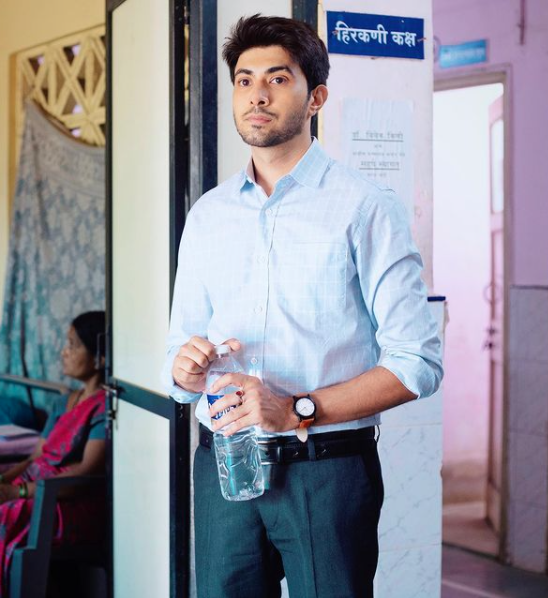
Set in a small village in Manor, Maharashtra Dafan takes place on a day in the life of a young civil engineer Vishal (played by Adeeb Rais), who is obliged to manage a challenging situation.

What seems like an easy task soon turns into an internal battle between morality and responsibility.

Still from Dafan

I won’t delve into the specifics of the story to avoid giving away spoilers. However, I will say that Dafan is a relevant film about the toxic culture of bureaucracy and the human nature of hypocrisy.

The film cleverly reveals the theme through the emotions and attitude of its protagonist and how he chooses to communicate in different circumstances.

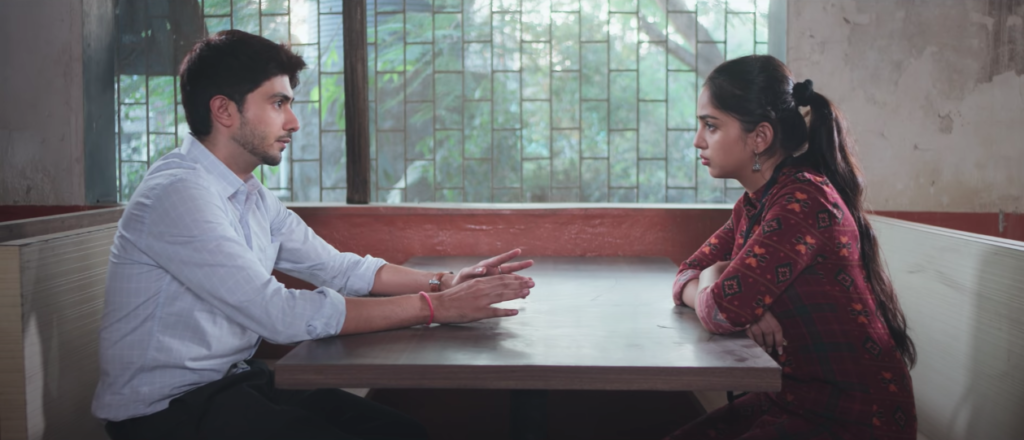
For example, Vishal is unassertive when speaking to an authority figure such as Dr. Vaze (played by Neena Kulkarni), but discourteous towards a young intern journalist Tara (played by Ahsaas Channa).

Still from Dafan

The twenty-minute thirty-six-seconds film is a story of every professional navigating through the difference between being professional and being human.

It’s a story of every employee who’s busy taking orders till the line between right and wrong gets blurred.

Written and directed by Rais, Dafan explores the underlying issues buried deep in our roots (no pun intended) with a subtle message that will make you think about your own values.

Dafan is available on Youtube:

Rating: (3/5 POPS)

Cast: Neena Kulkarni, Adeeb Rais, Ahsaas Channa, Akshar Kothari
Directed by: Director Adeeb Rais
Produced by: Madmidaas Films

If you loved ‘Cargo’ by Arati Kadav, you will enjoy ‘Ravan’

I recently stumbled upon a short film titled Ravan [2016], written and directed by Arati Kadav.

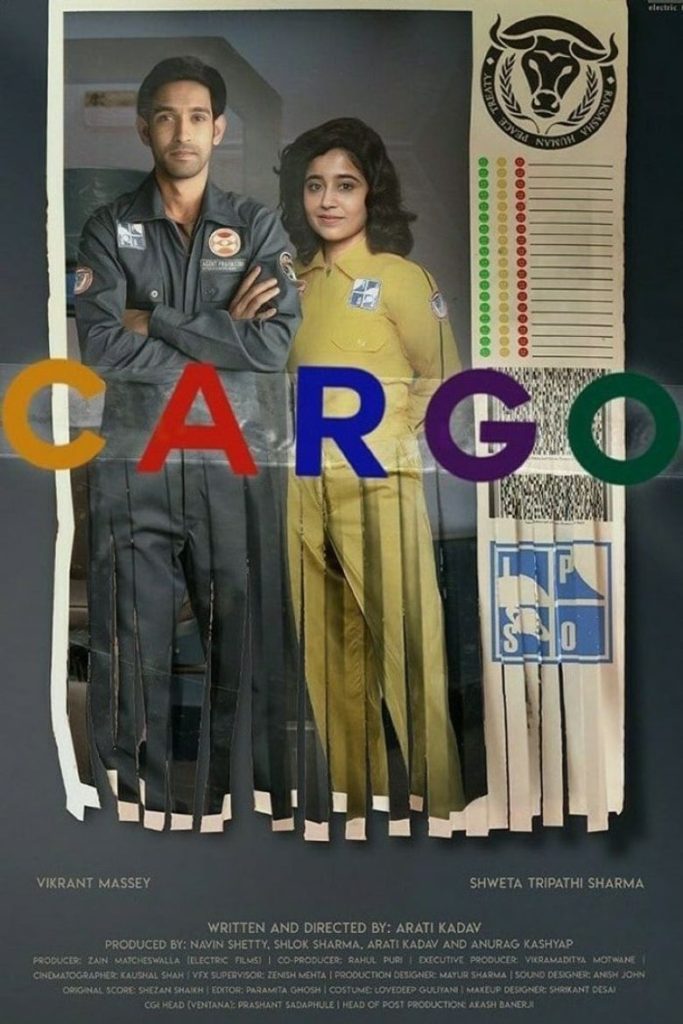
Most of us were introduced to Kadav’s work this year because of her genius (and precious) film Cargo starring Vikrant Massey and Shweta Tripathi.

Poster of Cargo [2020]

Having interviewed Kadav about Cargo and learning about her thought process of merging mythology with science-fiction, I was moved to give this four-minute twenty-eight-seconds film a watch… and I’m glad I did!

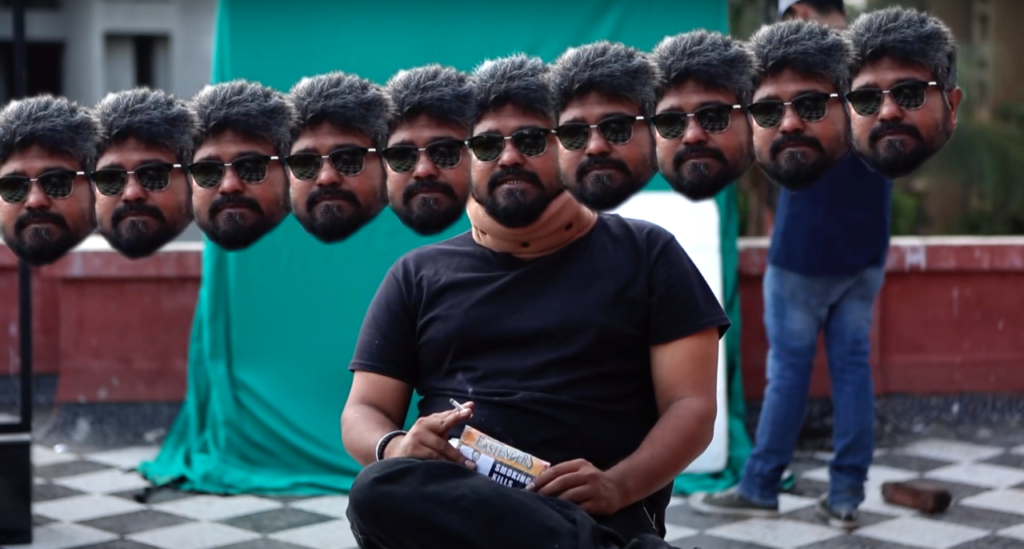
Ravan is about the last surviving descendent of mythological demon Ravan, Inderjit (played by Vasan Bala) who lives on Earth and works in low-budget commercials.

He may seem arrogant at first, but soon we realize that Inderjit is just like us; He too suffers from all sorts of first-world millennial problems, i.e. he refuses to give in to societal pressures of getting married, loves attention, enjoys taking selfies, and smokes when stressed.

When he’s not shooting, he wears a cervical collar to balance or bear the weight of his ten heads.

Scene from Ravan (2016)

Kadav certainly loves creating a universe with mythological characters and letting her imagination flow with the possibilities of “what-ifs”.

The short mockumentary packs a whole lot in under five minutes – from political undertones to intrusive media, propaganda and even self-awareness.

You may notice similarities between Ravan and Cargo, and the refreshing style of storytelling that allows you to dive into and accept an unknown world.

You can watch Ravan here:

Cast: Vasan Bala
Writer & Director: Arati Kadav
Co-Director: Zain Matcheswalla
Animation & CGI: Zenish Mehta
Cinematography: Javed Mohammad

Watch the exclusive interview with Filmmaker Arati Kadav here:

Neena Gupta and Kalki Koechlin team up for ‘Goldfish’

Neena Gupta and Kalki Koechlin team up for an international film titled Goldfish.  

Directed by Pushan Kripalani, the film is a drama that revolves around a delicate timeless story of a mother and daughter who rediscover their relationship with memory, music, mental health and identity.

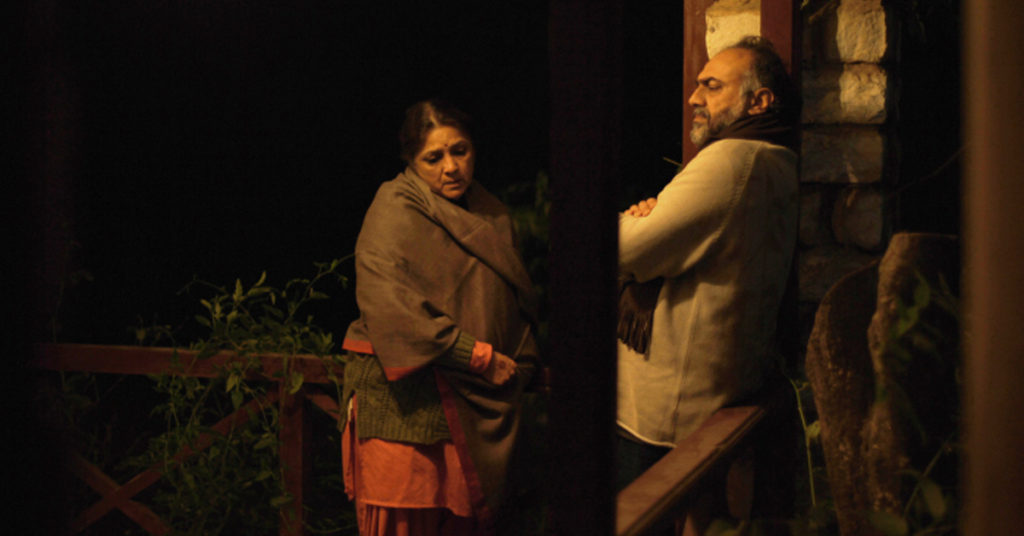
Set in London, Anamika (played by Koechlin) returns home to her estranged mother Sadhana (played by Gupta) who is suffering from an onset of dementia. What ensues next is an unfolding of complex yet beautiful emotions as Sadhana and Anamika’s worlds, though strikingly different, come together.

This is the second collaboration between actress Neena Gupta and Kripalani who earlier came together for the film The Threshold [2015].

Still from The Threshold [2015]

Excited to work with the director again she said, “It’s a very different experience to work with Pushan Kripalani… When he came to me with this Goldfish film, the script, I was very excited. Number one because it is a very challenging role and it’s a beautiful script and I love the way Pushan works. There is a lot of freedom which the actors get.”

Koechlin too is delighted to work with Kripalani.

“I’ve been wanting to work with Pushan, the director since I saw his first film The Threshold and Neenaji of course is an amazing actor. I love her and looking forward to working with her. Also, the writer of the script Arghya [Lahiri] is someone I have worked closely within theatre. He’s done a lot of light design for the productions I have worked on. It’s really quite a nice, happy union of different people from my walks of life and I’m very excited to start this project. The script is so fantastic!”

Kalki Koechlin

Elaborating on the story and his new cast Kripalani added, “Neena and Kalki are both actors of immense sensitivity and skill. For this nuanced and difficult film, you need people who have a keen understanding of the human condition. They are wonderful casting for this piece. To make a film in the midst of a global pandemic is a hard task, but the background of isolation, restriction and hard times bring into sharp focus, the themes of diaspora and identity that the film seeks to explore. I can’t wait to get started.”

Produced by Splendid Films USA spearheaded by Amit Saxena, Goldfish is a British-American project scheduled to go on floors in early 2021.

Analyzing ‘Ludo’ and Anurag Basu’s vision – who won the game?

Films are an expression and a reflection of reality… and reality is messy. That’s the space Ludo plays in and attempts to push creative boundaries where the treatment is superior to the plot, and it only works if you’re in the mood for a fun experience.

Note: This is not a review – this article is about appreciating Ludo and analyzing (or perhaps over-analyzing) Anurag Basu’s vision!

[FYI – some spoilers ahead]

Image from Ludo

Ludo does not fall into any one specific genre. It explores various themes, genres and storylines.

The film opens with two characters, played by Rahul Bagga and Anurag Basu, whom we later discover are Chitragupta and Yamraj, respectively. They decide to play a game of Ludo while they await the arrival of the main characters at an undisclosed location.

Their conversation provides a narrative to the plot where each character is clustered in a color quadrant, basically playing their parts as pegs on the board game… or in the game of life.

Let’s breakdown the key characters and decode their tracks:

  • Yellow: Akash Chauhan (Aditya Roy Kapur) and Shruti Choksi (Sanya Malhotra) who take on a journey in search for love, intimacy and trust.
  • Green: Alok Kumar “Aalu” (Rajkummar Rao) who blindly follows love and plays a passive role in Pinky’s (Fatima Sana Shaikh) life.
  • Red: Bittu (Abhishek Bachchan) who learns to fight his demons.
  • Blue: Rahul (Rohit Saraf) and Sheeja (Pearle Meaney) whose worlds collide resulting in the biggest adventure of their lives.
Ludo – Rohit Saraf, Sanya Malhotra, Aditya Roy Kapur

The individual storylines move carefully on their mission, as tokens on the board game to reach the finish line. They roll with the punches, face challenges, cross paths and even hit roadblocks only to be sent back to base.

Ludo is an inspired depiction of life and human nature that’s eager to arrive at the destination (or ‘home’). However, they forget that the game ends when you reach the safe zone on the board. Defeating opponents in the race simply means that you’re out of the game before the rest of the players.

This is elaborated from each team’s journey –

Image from Ludo

Akash and Shruti travel for miles to find the hotel that illegally recorded and leaked their sex tape. Their journey should’ve / could’ve ended at the hotel, however they step into a new phase of their lives (or a new cycle in the game).

Image from Ludo

Similarly, Aalu is on a mission to protect Pinky until they arrive at a turning point after the latter’s husband’s murder. Hence, making way for a new journey together.

Image from Ludo

Bittu is lost on his path. He has a goal but is unsure of how to accomplish it; he merely keeps moving forward on the trail.

Image from Ludo

Rahul and Sheeja are the underdogs who keep rolling the dice, dodging every obstacle.

This leads to one of the central characters who is not assigned a color – Rahul Satyendra “Sattu” Tripathi (Pankaj Tripathi).

Sattu keeps coming back to life over and over again. He refuses to give up or die. Is it maybe because Sattu is the die of Ludo that keeps rolling and deciding the fate of all characters?

Image from Ludo

Like every game, Ludo ends with a winner and loser. So who wins the game?

It’s possible that Bittu (red) is the first to complete the cycle which ends with his death, followed by Aalu (green) who comfortably plays the game without fear of winning or losing.

Ludo – Abhishek Bachchan, Rajkummar Rao

Next would be Akash and Shruti (yellow) who seem to be leading in life (though losing as per the rules of the game) but unexpectedly gets pushed away from their target.

That leaves us with team blue – Rahul, Sheeja… and Latha Kutti (Shalini Vatsa).

While Rahul and Sheeja obviously win the game, Latha is the real winner who even manages to control the die, Sattu.

Image from Ludo

The climax at the hotel is nothing but all the characters inching towards ‘home’ till the die is rolled again, sending some back to base while ending the game for some.

Ludo explains the philosophy of life which is simply about the journey you lead till death – or till you reach home.

Image from Ludo